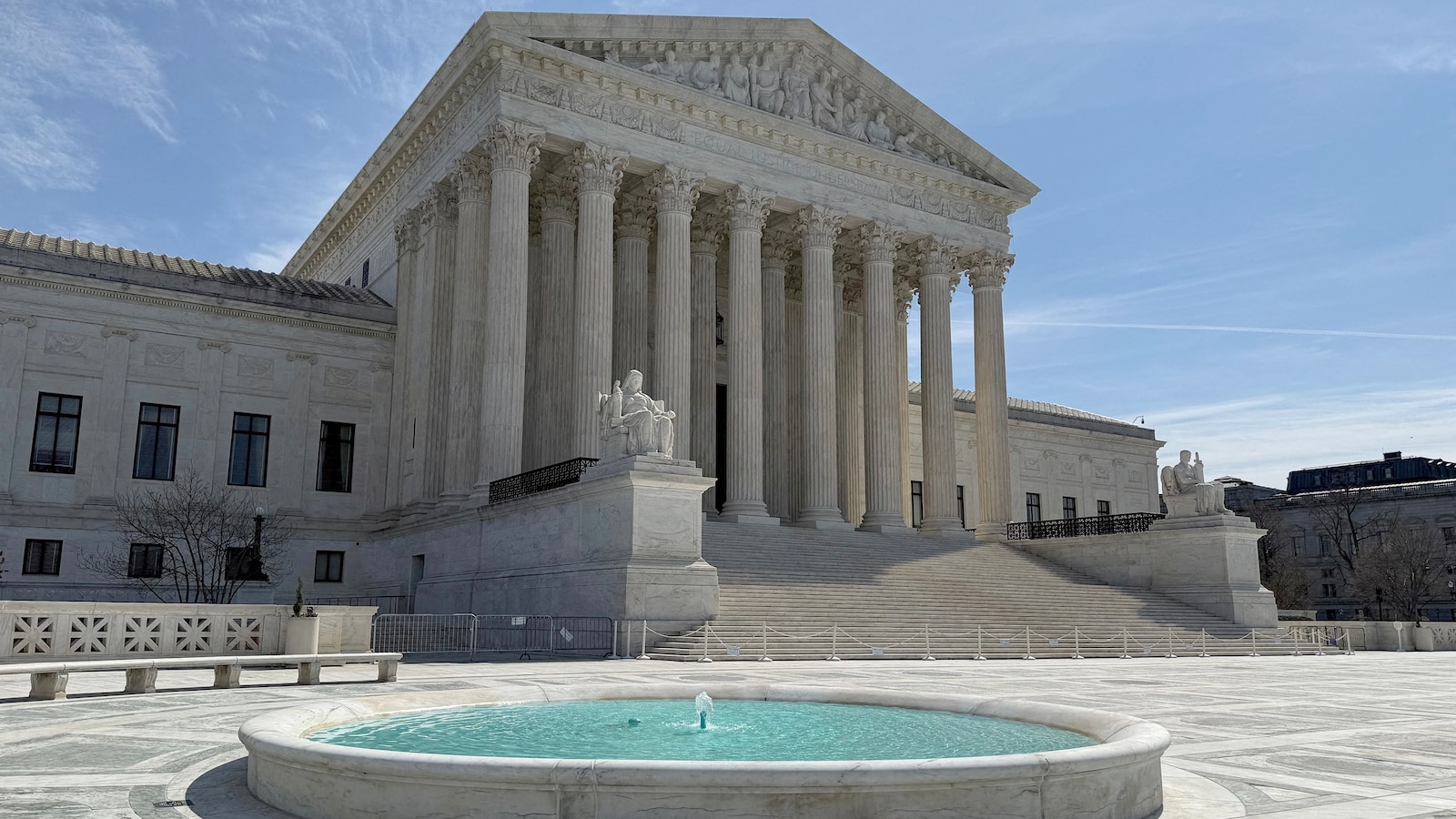
The bare-knuckle, partisan mid-decade redistricting battles that have occurred across the country over the past year and a half might become the new normal in the light of a landmark Supreme Court ruling on Wednesday that could impact congressional maps and minority representation nationwide. The ruling in Louisiana v. Callais could result in states redistricting every few years, instead of every 10 after the release of census data. But with many states' candidate filing deadlines having passed, it's not clear how many more congressional seats could be redrawn because of this ruling ahead of November's midterm elections -- although there could be Republican-controlled states that use the ruling to redistrict ahead of the 2028 elections, and Democratic-controlled ones that plan to respond.Joshua Stockley, a political science professor at the University of Louisiana Monroe, said the country is already seeing "a domino effect" of redistricting, which the ruling could supercharge. People walk outside the U.S. Supreme Court building in Washington, March 14, 2026.Will Dunham/Reuters"I think Republicans and Democrats, both parties, are going to continue to try to create as many non-competitive or favored districts as they can until we get to a point where somebody steps in and says, 'Enough is
Lean: n/a · Source quality n/a · Factual vs opinion n/a.
Christian Science Monitor · 3d
The Washington Times · 31h
© 2026 Vistoa. All rights reserved.
Limited excerpts, attribution, analysis, and outbound publisher links remain core product boundaries.