CriticalLead signal100% confidence2 hr ago
Shooting at lake near Oklahoma City leaves at least 10 wounded, police say
Flashstack
Severity weighted live coverage
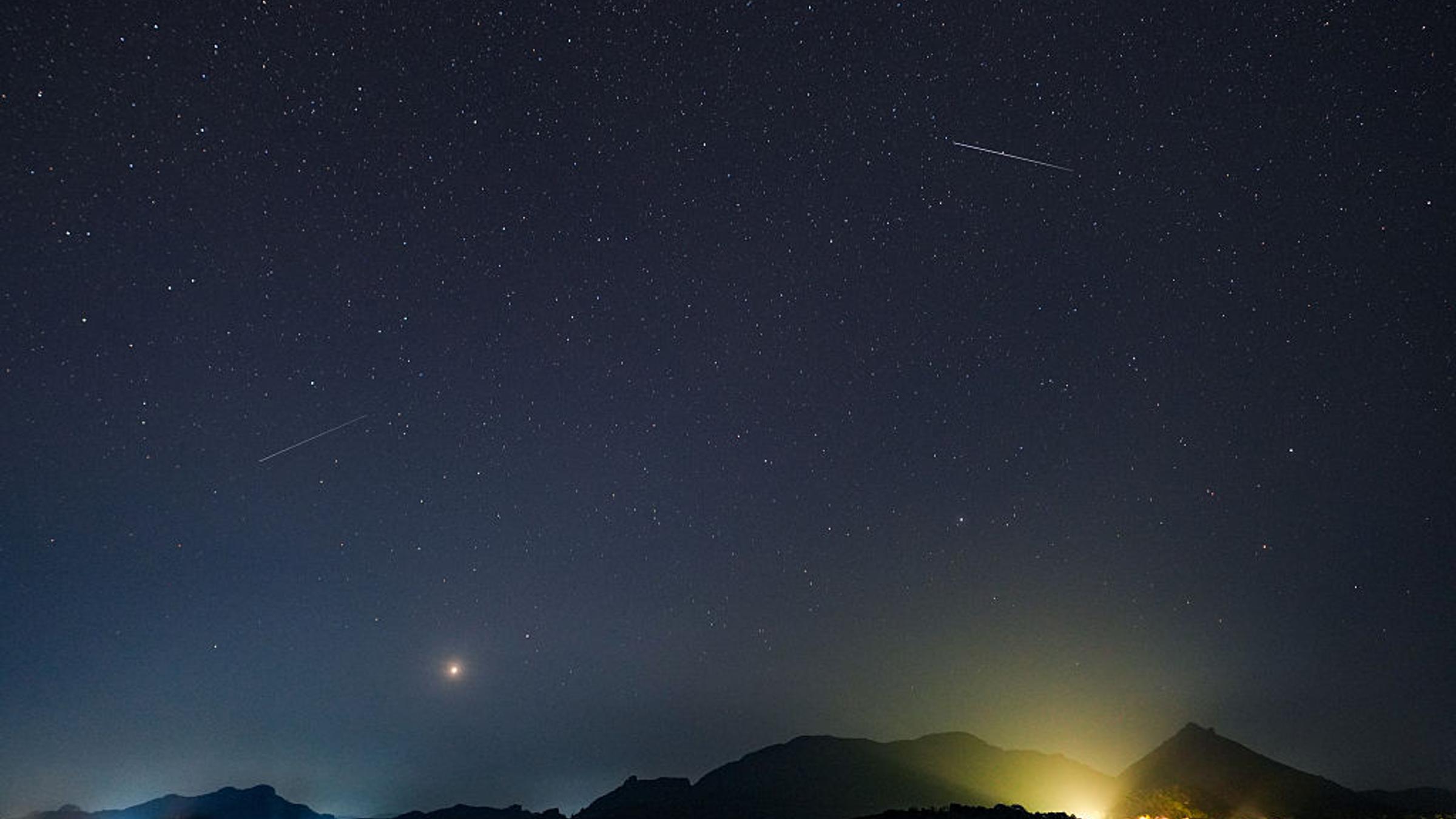
In just a few days, you could have the chance to see a meteor shower at its peak.The Eta Aquarid meteor shower started nearly two weeks ago, and will continue for most of this month. But the best opportunity you have to see the most meteors streaking across the sky will be next week.Here’s everything you need to know about the celestial phenomenon and how to watch it.What is the Eta Aquarid meteor shower?Often called “shooting stars” or “falling stars,” meteors are caused by space debris burning up as they travel through the Earth’s atmosphere, leaving streaks of light in the sky. You can see a few meteors each hour on a typical night under the right conditions. But meteor showers are special because you can see many more meteors in the same short time frame. During the peak of the Eta Aquarid meteor shower, for instance, you could see as many as 50 meteors per hour, according to NASA.The Eta Aquarid meteor shower starts in mid-April each year, and lasts until late May. The phenomenon is caused by debris from Halley’s comet that enters the Earth’s atmosphere.“Each time that Halley returns to the inner solar system its nucleus sheds
Lean: 0.000 · Source quality 77/100 · Factual vs opinion 90/100.
Scientific American · 21h
Methodology