Skip to content
OVistoaIntelligence index
AboutMethodologyPricingDocs
Sign inSign up
LIVETrump says Iran seeks terms he ‘can’t agree to’ in latest peace proposal7 hr ago
Top StoriesUnited StatesCanadaWorldPoliticsGeneralBusinessTechHealthSportsAviationArtificial IntelligencePublishers

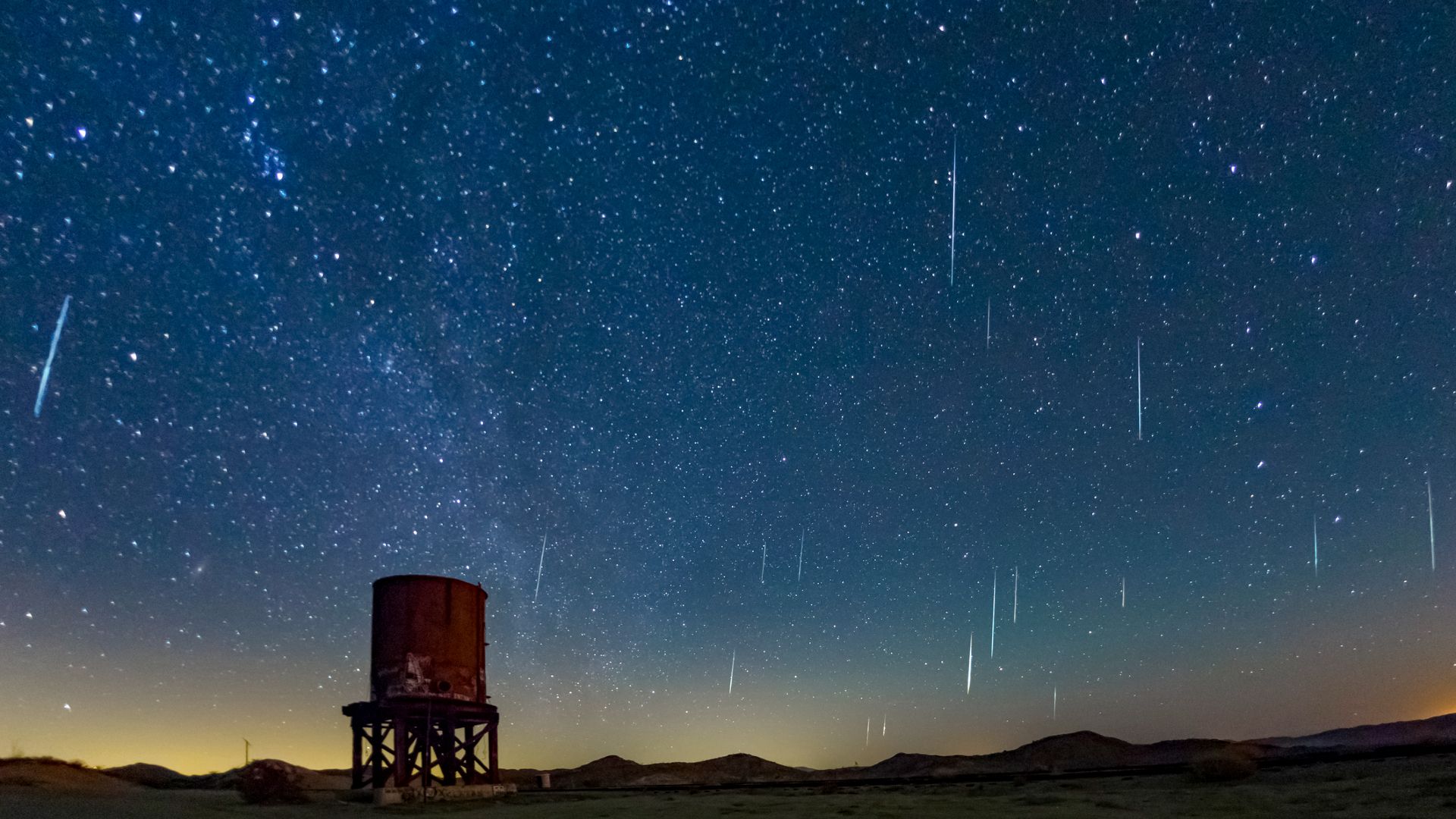
The Eta Aquariid meteor shower peaks this week: How to see 'shooting stars' dropped by Halley's Comet

1 articles · 1 outlets · spread 0.00

The Eta Aquariid meteor shower peaks this week: How to see 'shooting stars' dropped by Halley's Comet
astronomy2 hr ago

The Eta Aquariid meteor shower peaks this week: How to see 'shooting stars' dropped by Halley's Comet

Full coverage view across outlets, lean, source quality, and framing. Compare framing without algorithmic ranking.

1 articles1 outletsSpread 0.0010 claims
OVistoa

Article-level news analysis, transparent scoring, and API tools for readers, publishers, and teams that need source context.

DMCA and copyright review

Copyright owners can submit notices, counter-notices, and source material concerns through the dedicated review flow.

Open DMCA review

Product

  • Home
  • Feed
  • Search
  • Topics
  • Saved

Platform

  • About
  • Methodology
  • Home
  • Search
  • Saved
  • Me

From the Left

0 outlets

No coverage from this perspective yet.

From the Center

1 outlet
  • Live Science·May 3

    The Eta Aquariid meteor shower peaks this week: How to see 'shooting stars' dropped by Halley's Comet

    The Eta Aquariid meteor shower will peak overnight from May 5-6, giving skywatchers a chance to spot fast-moving "shooting stars" created by debris from Halley's Comet.The Eta Aquariids (also spelled Eta Aquarids) are active from April 19 to May 28 each year, with meteors appearing to radiate from the constellation Aquarius, specifically near the star Eta Aquarii, according to Time and Date. The star, which is 168 light-years away, is visible to the naked eye — however, that distant star really has nothing to do with the shower.Halley's Comet is currently traveling through the outer reaches of the solar system, beyond the orbit of Neptune. But twice each year, Earth passes through the trail of dust and debris that the comet has previously left behind. That creates both the Eta Aquariids in April and May and the Orionid meteor shower from early October to early November.As Earth moves through Halley's debris, tiny particles enter the atmosphere at around 40.7 miles per second (65.4 kilometers per second), according to the American Meteor Society, producing swift meteors and persistent glowing trails. Bright fireballs are possible, but rare. Eta Aquariid activity is strongest for about a week centered on the peak night.From the

From the Right

0 outlets

No coverage from this perspective yet.

Claim synthesis

Pro users see canonical claims across the cluster and which outlets reported each one.

Learn more

Outlets covering this story

Live Science

First seen

May 3, 2026

Latest

May 3, 2026

Outlets

1

Diversity

100/100

  • Pricing
  • API docs
  • Publishers
  • Account

    • Sign in
    • Create account
    • Reader settings
    • API console

    Legal

    • Terms
    • Privacy
    • Security
    • DMCA

    © 2026 Vistoa. All rights reserved.

    Limited excerpts, attribution, analysis, and outbound publisher links remain core product boundaries.