CriticalLead signal100% confidence2 hr ago
Shooting at lake near Oklahoma City leaves at least 10 wounded, police say
Flashstack
Severity weighted live coverage
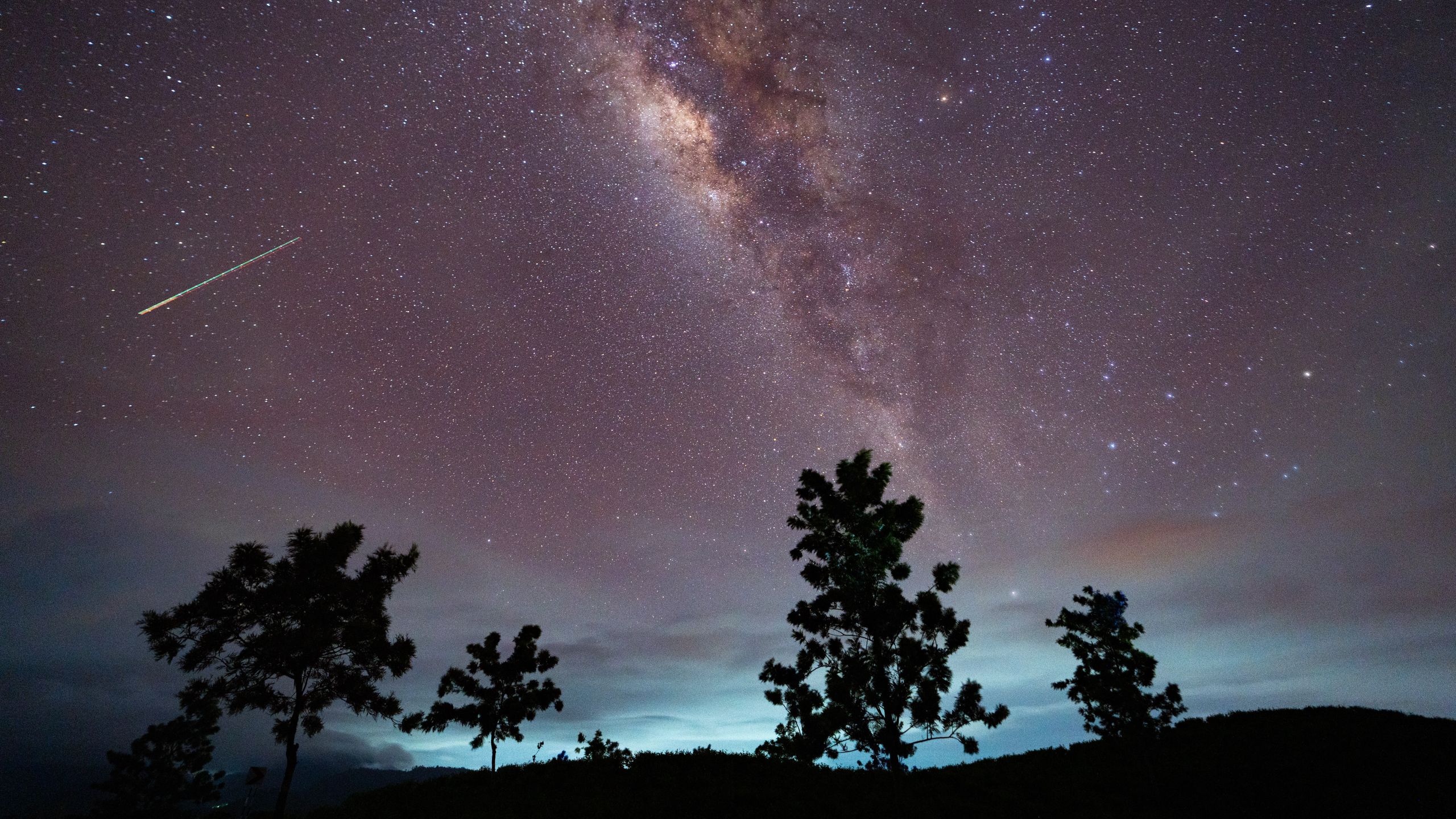
The Eta Aquarid meteor shower is almost here! Here's what you need to know as the shooting star display ramps up to peak activity, including when and where to look, viewing conditions and more!Canon EOS R7 camera (Image credit: Future/Kimberley Lane)The Canon EOS R7 is the best camera for beginners hoping to capture shooting stars. Read our full Canon EOS R7 review.In 2026, the Eta Aquarid peak will occur overnight on May 5-6, as Earth travels through the densest part of Halley's debris stream. Stargazers in the southern hemisphere could see up to 50 shooting stars crisscrossing the night sky while those in the northern hemisphere will be treated to a more modest showing of between 10-30 meteors per hour, according to the American Meteor Society.Shooting stars associated with the shower become visible when tiny shards of Comet Halley impact Earth's gaseous shell at over 40.7 miles per second (64 kilometers per second), carving a fiery path through the atmosphere as they're overwhelmed by the pressure and force of atmospheric entry.Viewing conditionsThe 84%-lit waning gibbous moon will flood the sky with moonlight after it rises around midnight on the night of May 5-6, which will hide fainter shooting stars, dropping
Lean: 0.000 · Source quality 68/100 · Factual vs opinion 92/100.
Scientific American · 21h
Methodology