CriticalLead signal100% confidence5 hr ago
Shooting at lake near Oklahoma City leaves at least 10 wounded, police say
Flashstack
Severity weighted live coverage
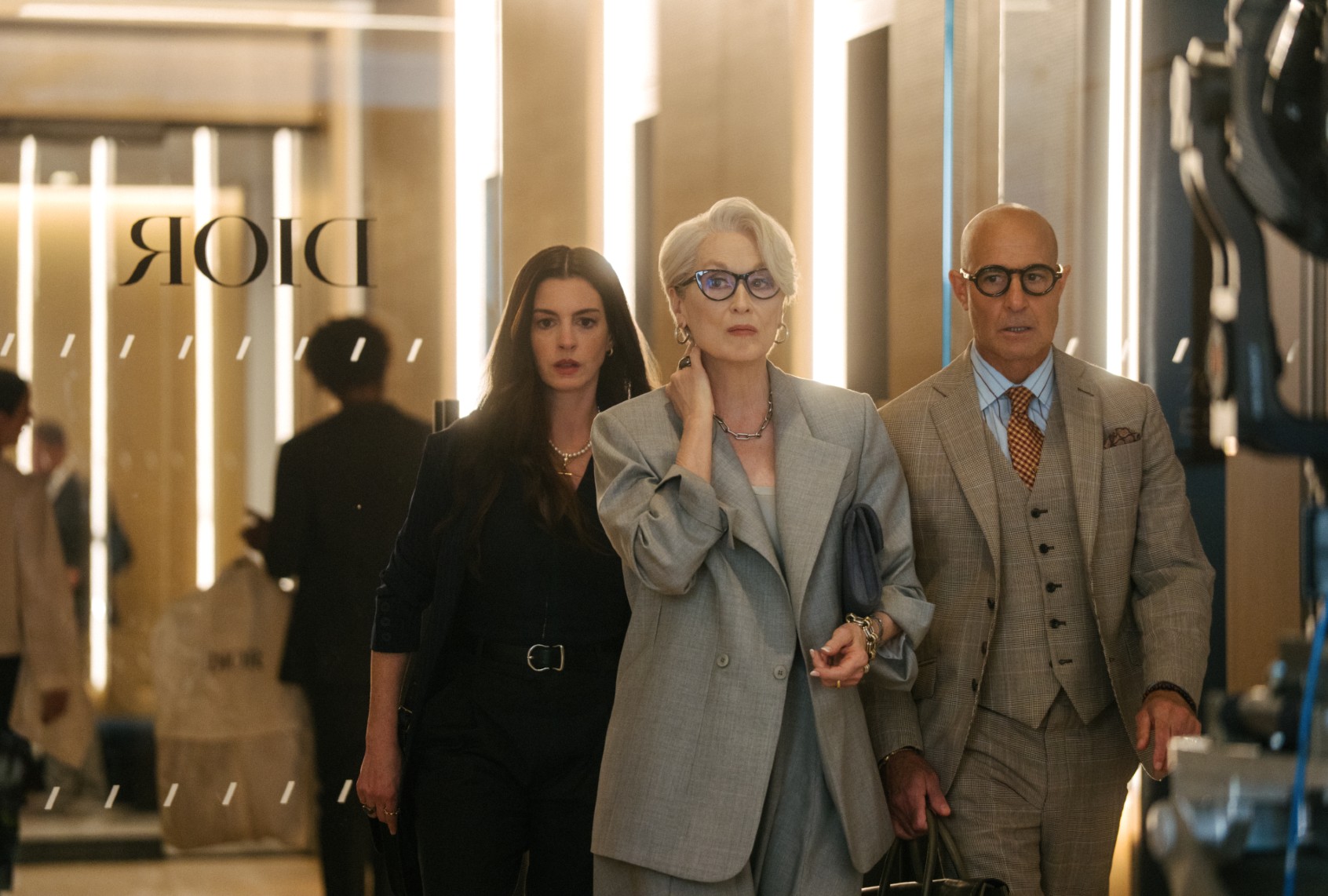
commentary In a legacy sequel done right, Meryl Streep and Anne Hathaway warn that the demise of media affects us all Senior Writer Published May 1, 2026 12:00PM (EDT) Anne Hathaway as Andy Sachs, Meryl Streep as Miranda Priestly and Stanley Tucci as Nigel Kipling in "The Devil Wears Prada 2" (Macall Polay/20th Century Studios) “The Devil Wears Prada” was never meant to be a franchise. Despite its pivotal role in the 2006 summer blockbuster season, where it raked in enough cash and glowing word-of-mouth praise to become the 10th most successful film of the season — the only title in the top 10 with a woman at top billing — the movie’s ending didn’t exactly scream sequel. “The Devil Wears Prada” was and is the perfect example of a self-contained story, built by the studio machine but never intended to keep the apparatus running. It’s economical and clever, with deceptively intricate character writing, striking costume design, a uniquely memorable score and soundtrack, loads of witty banter, a distinctly sleek aesthetic, and it’s one of the only films that has ever made multiple montage sequences feel earned. But look past all that technical prowess, and you’ll find a remarkably introspective
Lean: -0.184 · Source quality 54/100 · Factual vs opinion 35/100.
Columbia Journalism Review · 3h
Methodology
Inter-model agreement