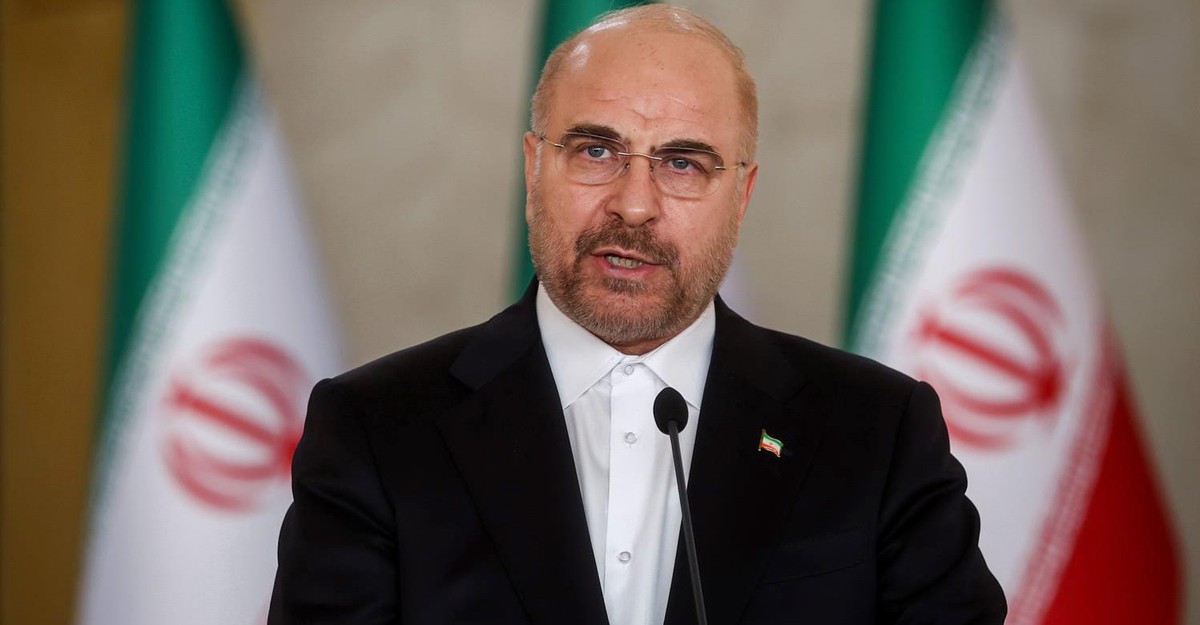
According to the Trump administration’s latest messaging, talks between the United States and Iran are deadlocked because of infighting in Tehran. The military hard-liners of the Islamic Revolutionary Guard Corps must be stopping the civilian diplomats from making a deal. Or, to put it in President Trump’s words, “Iran is having a very hard time figuring out who their leader is!” (This supposition conveniently makes sense of the president’s claim that Iran has “agreed to everything” alongside Iran’s denial that this is so.)The explanation, which has gained some currency in U.S. media, is at best half-true. Quite a bit of infighting is indeed happening within the Iranian regime. However, it does not map neatly onto a military-versus-civilian divide, and it does not suggest that Iran’s negotiating team is disempowered to speak for the country. Such theories reflect a misunderstanding of Iran’s complex system and do little to advance American diplomatic aims.Consider the role of Mohammad Baqer Qalibaf, the man who led the Islamabad talks with Vice President Vance. His American interlocutors can’t quite decide where to place him in their schema of Iran’s internal politics. That might be because the sources of, and limits on, his authority range across the
Lean: n/a · Source quality n/a · Factual vs opinion n/a.
© 2026 Vistoa. All rights reserved.
Limited excerpts, attribution, analysis, and outbound publisher links remain core product boundaries.