Skip to content
OVistoaIntelligence index
AboutMethodologyPricingDocs
Sign inSign up
BREAKINGPerson found dead in car after it plows into health club in Portland, Oregon2 hr ago
Top StoriesUnited StatesCanadaWorldPoliticsGeneralBusinessTechHealthSportsAviationArtificial IntelligencePublishers

Poop-encrusted chamber pots from the Roman Empire reveal oldest known human cases of Crypto parasite

1 articles · 1 outlets · spread 0.00

Poop-encrusted chamber pots from the Roman Empire reveal oldest known human cases of Crypto parasite
archaeology2 d ago

Poop-encrusted chamber pots from the Roman Empire reveal oldest known human cases of Crypto parasite

Full coverage view across outlets, lean, source quality, and framing. Compare framing without algorithmic ranking.

1 articles1 outletsSpread 0.0011 claims
OVistoa

Article-level news analysis, transparent scoring, and API tools for readers, publishers, and teams that need source context.

DMCA and copyright review

Copyright owners can submit notices, counter-notices, and source material concerns through the dedicated review flow.

Open DMCA review

Product

  • Home
  • Feed
  • Search
  • Topics
  • Saved

Platform

  • About
  • Methodology
  • Home
  • Search
  • Saved
  • Me

From the Left

0 outlets

No coverage from this perspective yet.

From the Center

1 outlet
  • Live Science·Apr 30

    Poop-encrusted chamber pots from the Roman Empire reveal oldest known human cases of Crypto parasite

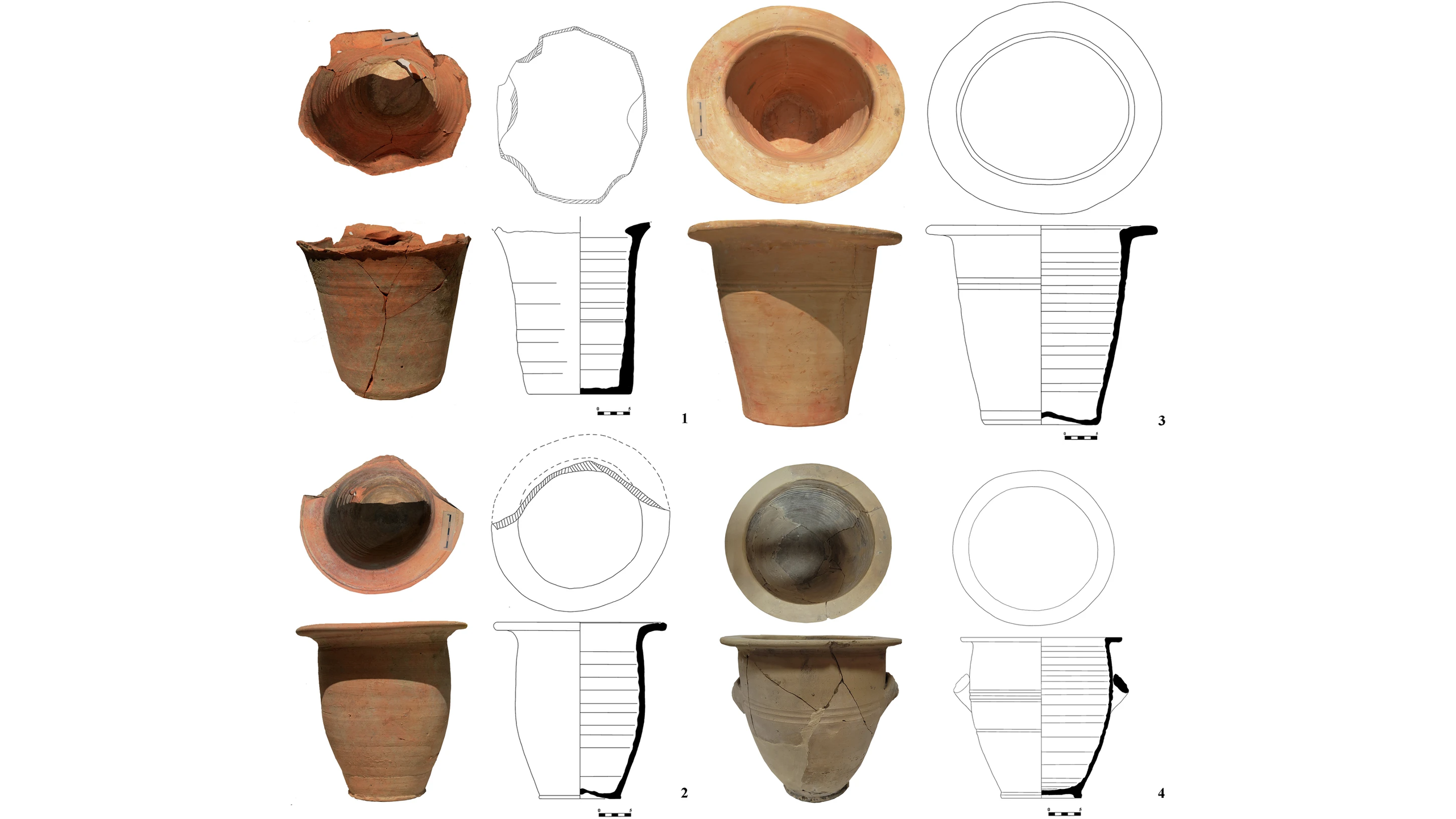
    Urine and fecal residue encrusted on the inside of ancient Roman chamber pots unearthed in Bulgaria has revealed the world's oldest known evidence of humans infected with the Cryptosporidium parasite, which causes acute gastrointestinal distress.In the first century, the Romans established a province called Moesia Inferior in the Balkan Peninsula, which includes the modern country of Bulgaria. Roman legions were tasked with defending the imperial border from the Goths, primarily from a fortress called Novae (near present-day Svishtov) and a town known as Marcianopolis (modern-day Devnya). While excavating at Novae and Marcianopolis in Bulgaria, archaeologists recovered four chamber pots, whose long-dried contents have revealed new information about health and disease in the Roman Empire.Using ELISA (short for "enzyme-linked immunosorbent assay") ‪—‬ a laboratory test that can detect bacteria, parasites and viruses in a sample of bodily fluid ‪—‬ the researchers identified three pathogens in the chamber pot samples: the protozoan Entamoeba histolytica, the parasite Cryptosporidium parvum, and the tapeworm Taenia. All three pathogens infect the human gut and can cause gastrointestinal distress, including diarrhea and stomach pain.Previous ancient-parasite studies have shown that Roman soldiers on the frontiers of the empire dealt with intestinal worms and the parasite Giardia, as did

From the Right

0 outlets

No coverage from this perspective yet.

Claim synthesis

Pro users see canonical claims across the cluster and which outlets reported each one.

Learn more

Outlets covering this story

Live Science

First seen

Apr 30, 2026

Latest

Apr 30, 2026

Outlets

1

Diversity

100/100

  • Pricing
  • API docs
  • Publishers
  • Account

    • Sign in
    • Create account
    • Reader settings
    • API console

    Legal

    • Terms
    • Privacy
    • Security
    • DMCA

    © 2026 Vistoa. All rights reserved.

    Limited excerpts, attribution, analysis, and outbound publisher links remain core product boundaries.