Skip to content
OVistoaIntelligence index
AboutMethodologyPricingDocs
Sign inSign up
BREAKINGPerson found dead in car after it plows into health club in Portland, Oregon46 min ago
Top StoriesUnited StatesCanadaWorldPoliticsGeneralBusinessTechHealthAviationSportsArtificial IntelligencePublishers

Scientists just discovered what is fueling cows’ potent burps

1 articles · 1 outlets · spread 0.00

Scientists just discovered what is fueling cows’ potent burps
science2 d ago

Scientists just discovered what is fueling cows’ potent burps

Full coverage view across outlets, lean, source quality, and framing. Compare framing without algorithmic ranking.

1 articles1 outletsSpread 0.008 claims
OVistoa

Article-level news analysis, transparent scoring, and API tools for readers, publishers, and teams that need source context.

DMCA and copyright review

Copyright owners can submit notices, counter-notices, and source material concerns through the dedicated review flow.

Open DMCA review

Product

  • Home
  • Feed
  • Search
  • Topics
  • Saved

Platform

  • About
  • Methodology
  • Home
  • Search
  • Saved
  • Me

From the Left

0 outlets

No coverage from this perspective yet.

From the Center

1 outlet
  • Scientific American·Apr 30

    Scientists just discovered what is fueling cows’ potent burps

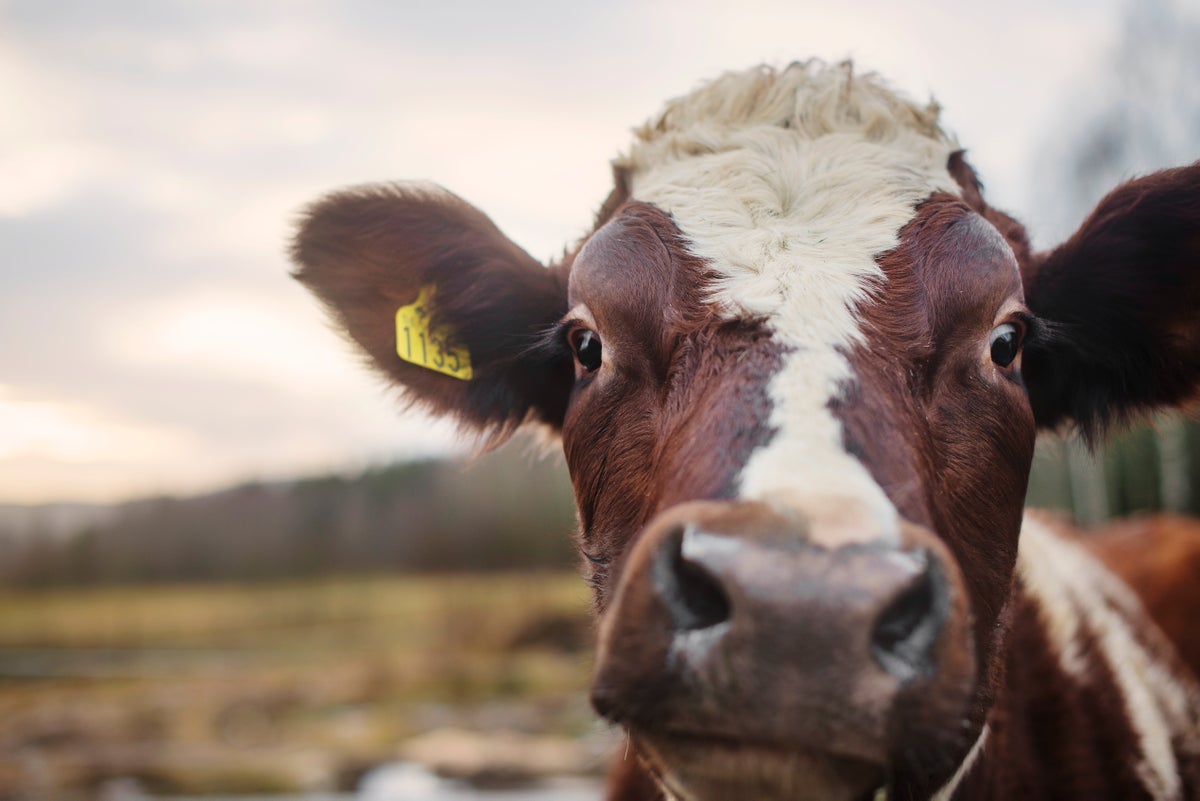
    April 30, 20262 min read Add Us On GoogleAdd SciAmThe “hydrogenobody,” a newly discovered structure inside microbial cells in cows’ gut, may play a key role in methane production, a new study suggestsBy Jackie Flynn Mogensen edited by Claire Cameron Johner Images/Getty ImagesCattle such as cows are notorious burpers. A single bovine can belch out as much as 220 pounds of methane in a year. Why their burps are so potent seems to have to do with a special structure inside microbes living in their gut—something researchers are calling the “hydrogenobody,” according to new research. The findings could help scientists trying to combat how much methane cattle emit—methane is a greenhouse gas, and the animals are one of the top agricultural sources of these emissions.Like you, cattle have a microbiome. Among the microbes in their gut are a group of microorganisms called “rumen ciliates” that help the bovines digest food and are named for the rumen, the stomach compartment they inhabit, and the cilia, or tiny hairs, that cover their surface. Scientists have suspected for years that these microbes were involved in making methane in cows’ gut, but exactly how they were involved was a mystery.New research could hold the

From the Right

0 outlets

No coverage from this perspective yet.

Claim synthesis

Pro users see canonical claims across the cluster and which outlets reported each one.

Learn more

Outlets covering this story

Scientific American

First seen

Apr 30, 2026

Latest

Apr 30, 2026

Outlets

1

Diversity

100/100

  • Pricing
  • API docs
  • Publishers
  • Account

    • Sign in
    • Create account
    • Reader settings
    • API console

    Legal

    • Terms
    • Privacy
    • Security
    • DMCA

    © 2026 Vistoa. All rights reserved.

    Limited excerpts, attribution, analysis, and outbound publisher links remain core product boundaries.