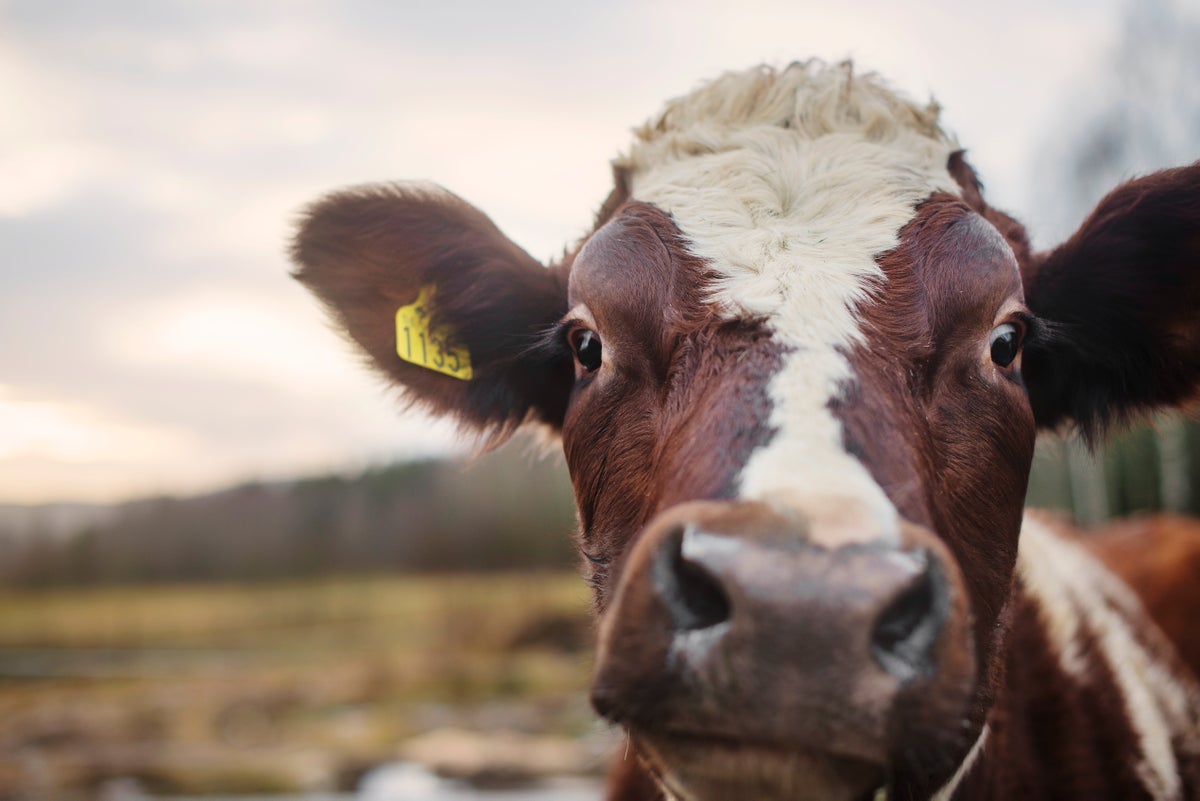
April 30, 20262 min read Add Us On GoogleAdd SciAmThe “hydrogenobody,” a newly discovered structure inside microbial cells in cows’ gut, may play a key role in methane production, a new study suggestsBy Jackie Flynn Mogensen edited by Claire Cameron Johner Images/Getty ImagesCattle such as cows are notorious burpers. A single bovine can belch out as much as 220 pounds of methane in a year. Why their burps are so potent seems to have to do with a special structure inside microbes living in their gut—something researchers are calling the “hydrogenobody,” according to new research. The findings could help scientists trying to combat how much methane cattle emit—methane is a greenhouse gas, and the animals are one of the top agricultural sources of these emissions.Like you, cattle have a microbiome. Among the microbes in their gut are a group of microorganisms called “rumen ciliates” that help the bovines digest food and are named for the rumen, the stomach compartment they inhabit, and the cilia, or tiny hairs, that cover their surface. Scientists have suspected for years that these microbes were involved in making methane in cows’ gut, but exactly how they were involved was a mystery.New research could hold the
Lean: 0.000 · Source quality 80/100 · Factual vs opinion 85/100.
© 2026 Vistoa. All rights reserved.
Limited excerpts, attribution, analysis, and outbound publisher links remain core product boundaries.