Skip to content
OVistoaIntelligence index
AboutMethodologyPricingDocs
Sign inSign up
BREAKINGPerson found dead in car after it plows into health club in Portland, Oregon13 min ago
Top StoriesUnited StatesCanadaWorldPoliticsGeneralBusinessTechHealthAviationSportsEntertainmentPublishers

Research roundup: 6 cool science stories we almost missed

1 articles · 1 outlets · spread 0.00

Research roundup: 6 cool science stories we almost missed
science10 hr ago

Research roundup: 6 cool science stories we almost missed

Full coverage view across outlets, lean, source quality, and framing. Compare framing without algorithmic ranking.

1 articles1 outletsSpread 0.0012 claims
OVistoa

Article-level news analysis, transparent scoring, and API tools for readers, publishers, and teams that need source context.

DMCA and copyright review

Copyright owners can submit notices, counter-notices, and source material concerns through the dedicated review flow.

Open DMCA review

Product

  • Home
  • Feed
  • Search
  • Topics
  • Saved

Platform

  • About
  • Methodology
  • Home
  • Search
  • Saved
  • Me

From the Left

0 outlets

No coverage from this perspective yet.

From the Center

1 outlet
  • Ars Technica·May 2

    Research roundup: 6 cool science stories we almost missed

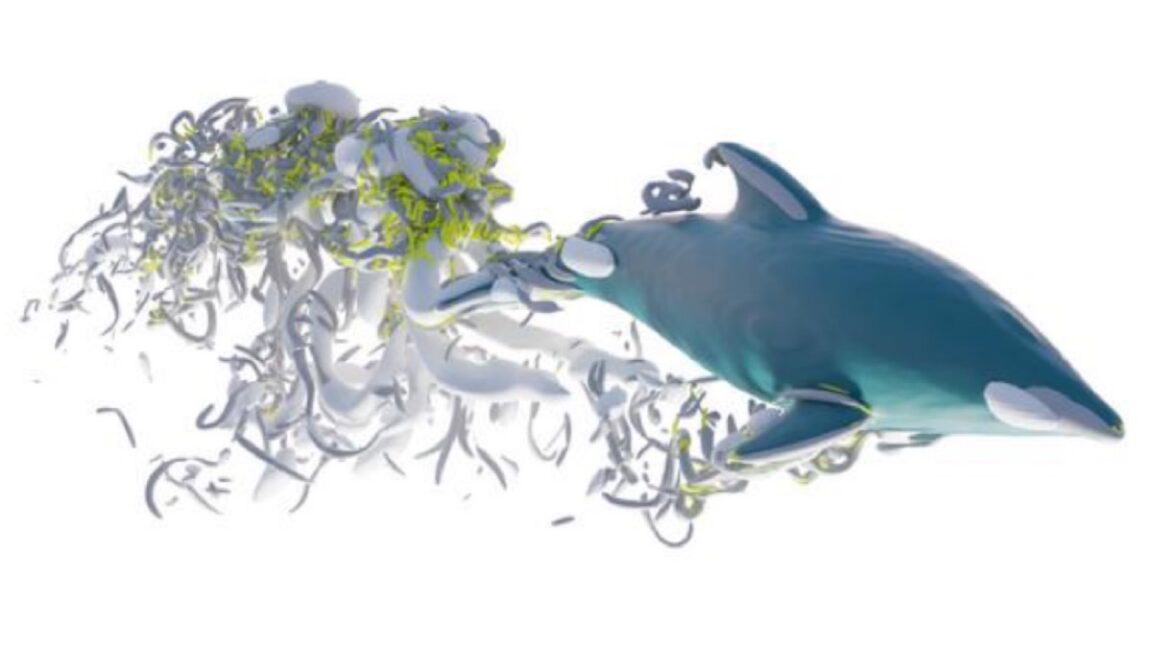
    the best of the rest Crushing soda cans for science, why dolphins swim so fast, how urine helps mushrooms communicate, and more Credit: Yutaro Motoori It’s a regrettable reality that there is never enough time to cover all the interesting scientific stories we come across. So every month, we highlight a handful of the best stories that nearly slipped through the cracks. April’s list includes tracking Roman ship repairs, the discovery that mushrooms can detect human urine, crushing soda cans for science, and the physics of why dolphins can swim so fast. Physics of why dolphins swim so fast Dolphins are very good swimmers but the exact mechanisms by which they achieve their impressive speed and agility in water have remained murky. Japanese scientists from the University of Osaka ran multiple supercomputer simulations to learn more about how dolphins optimize their propulsion and found it has to do with the vortices, or eddies, produced by dolphin kicks, according to a paper published in the journal Physical Review Fluids. Per the authors, when dolphins flap their tails up and down, the kicking motion pushes water backward and produces swirling currents of varying sizes. The computer simulations enabled the team to break

From the Right

0 outlets

No coverage from this perspective yet.

Claim synthesis

Pro users see canonical claims across the cluster and which outlets reported each one.

Learn more

Outlets covering this story

Ars Technica

First seen

May 2, 2026

Latest

May 2, 2026

Outlets

1

Diversity

100/100

  • Pricing
  • API docs
  • Publishers
  • Account

    • Sign in
    • Create account
    • Reader settings
    • API console

    Legal

    • Terms
    • Privacy
    • Security
    • DMCA

    © 2026 Vistoa. All rights reserved.

    Limited excerpts, attribution, analysis, and outbound publisher links remain core product boundaries.