Skip to content
OVistoaIntelligence index
AboutMethodologyPricingDocs
Sign inSign up
BREAKINGPerson found dead in car after it plows into health club in Portland, Oregon2 hr ago
Top StoriesUnited StatesCanadaWorldPoliticsGeneralBusinessTechHealthSportsAviationArtificial IntelligencePublishers

Are We Losing Our Minds to AI?

1 articles · 1 outlets · spread 0.00

Are We Losing Our Minds to AI?
business2 d ago

Are We Losing Our Minds to AI?

Full coverage view across outlets, lean, source quality, and framing. Compare framing without algorithmic ranking.

1 articles1 outletsSpread 0.000 claims
OVistoa

Article-level news analysis, transparent scoring, and API tools for readers, publishers, and teams that need source context.

DMCA and copyright review

Copyright owners can submit notices, counter-notices, and source material concerns through the dedicated review flow.

Open DMCA review

Product

  • Home
  • Feed
  • Search
  • Topics
  • Saved

Platform

  • About
  • Methodology
  • Home
  • Search
  • Saved
  • Me

From the Left

0 outlets

No coverage from this perspective yet.

From the Center

1 outlet
  • TIME·Apr 30

    Are We Losing Our Minds to AI?

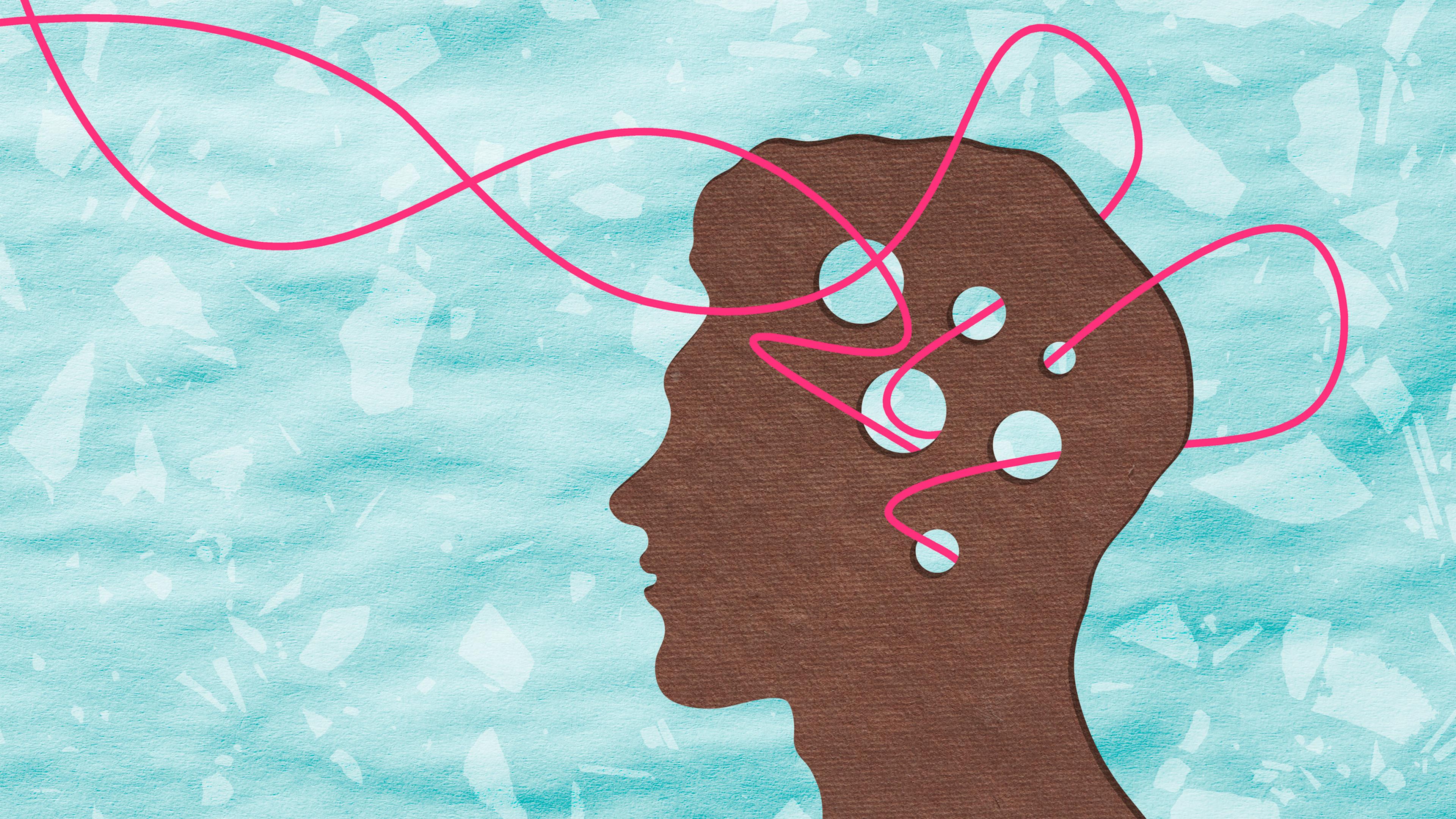
    AI now helps people with wedding toasts, tax returns, and processing the trauma of war. The technology’s generality lets it occupy roles that used to be human-only: assistant, tutor, friend, lover, therapist. It is endlessly patient, always available, and—unlike any prior tool—an active participant in our cognitive lives.While past tools let us externalize discrete mental processes—notebooks for memory, calculators for computation, maps for navigation—AI widens the aperture. Now, summarizing and analyzing information, generating ideas, and making decisions can all be offloaded too. “It's starting to creep into the things we thought were cognitively ours,” says Evan Risko, a professor at the University of Waterloo who studies “cognitive offloading,” or the practice of taking external action to make mental tasks easier.Although the creators of these AI tools describe them as “thought partners” and “collaborators,” the role AI plays in our lives is often stranger. With its jagged but expansive knowledge, ceaseless attention, and persuasive tone, AI dotes on us while asking for nothing but our data in return. This produces a structural asymmetry: no prior relationship, with tools or people, has this shape.The concern is that while experts—and people who already enjoy thinking, those high in what psychologists call “need for

From the Right

0 outlets

No coverage from this perspective yet.

Claim synthesis

Pro users see canonical claims across the cluster and which outlets reported each one.

Learn more

Outlets covering this story

TIME

First seen

Apr 30, 2026

Latest

Apr 30, 2026

Outlets

1

Diversity

100/100

  • Pricing
  • API docs
  • Publishers
  • Account

    • Sign in
    • Create account
    • Reader settings
    • API console

    Legal

    • Terms
    • Privacy
    • Security
    • DMCA

    © 2026 Vistoa. All rights reserved.

    Limited excerpts, attribution, analysis, and outbound publisher links remain core product boundaries.