Full coverage
See full cluster →Left 0
- No coverage
Center 3
Right 0
- No coverage
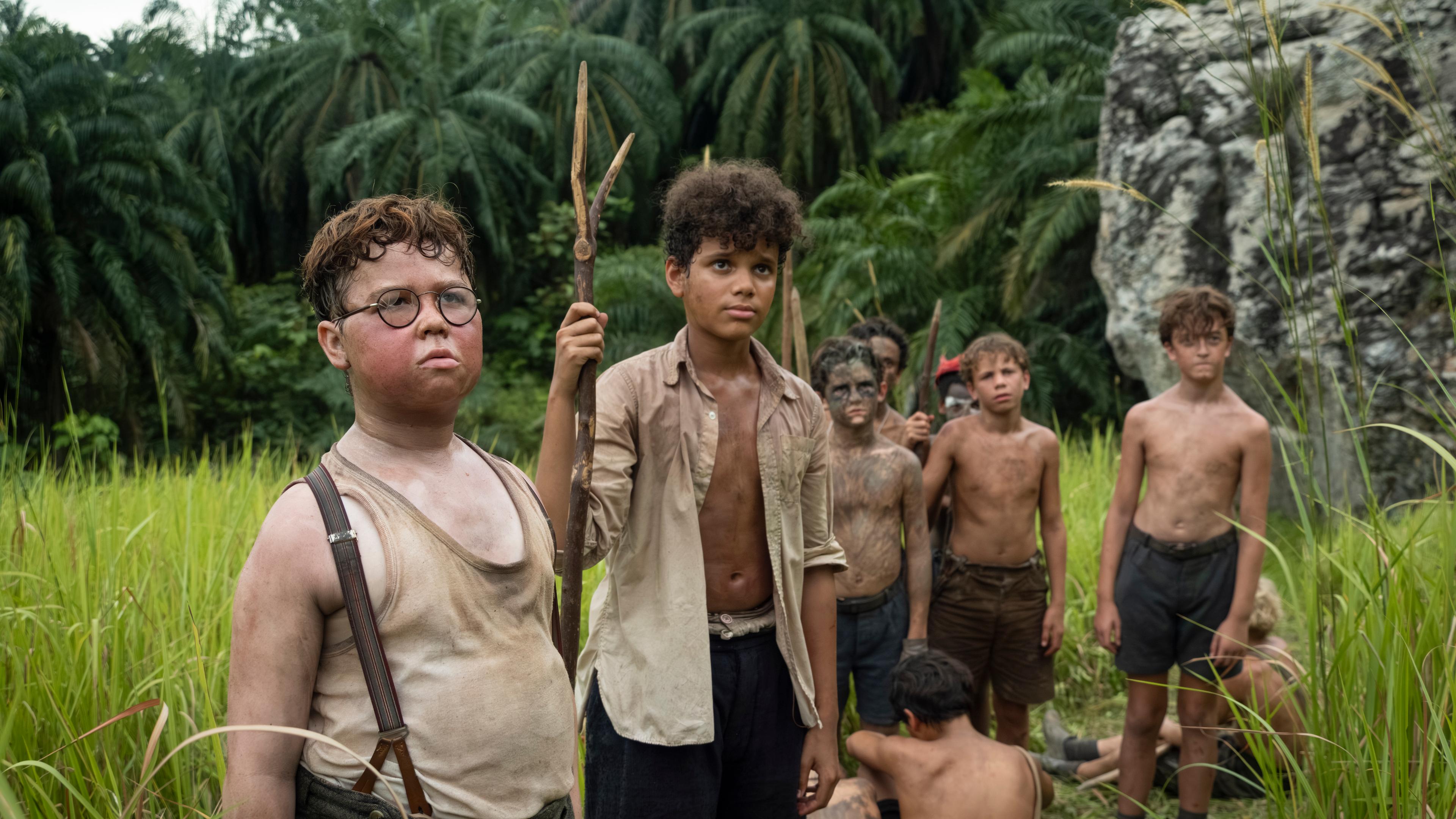
Lord of the Flies looms so large in the canon of English-language allegory that it’s easy to forget the book is only 72 years old. You could also be forgiven for failing to recall, from some high school lecture, that William Golding’s debut novel is rooted in timely elements of his own experience, from fighting in the Second World War to reading R.M. Ballantyne’s The Coral Island, an idealized tale of shipwrecked boys banding together to survive, to his young children. It might seem inconceivable, after decades of hit shows like Yellowjackets, Survivor, and Lost plundering its mythology, that the book had never been adapted for television before this year. Such appropriation has, perhaps, hastened our collective disremembering of its details. Lord of the Flies has become shorthand for civilization's descent into anarchic violence. But that’s hardly all it is. Jack Thorne hasn’t forgotten any of this. The writer of some of TV’s best recent social dramas—including the toxic-boyhood tragedy Adolescence—brings to his four-part adaptation (now streaming on Netflix after premiering in February on the BBC) an eye for both the nuances of Golding’s characters and the ways in which they’re most relevant today. Bolstered by poetic visuals and stunning
Lean: n/a · Source quality n/a · Factual vs opinion n/a.