CriticalLead signal100% confidence4 hr ago
Shooting at lake near Oklahoma City leaves at least 10 wounded, police say
Flashstack
Severity weighted live coverage
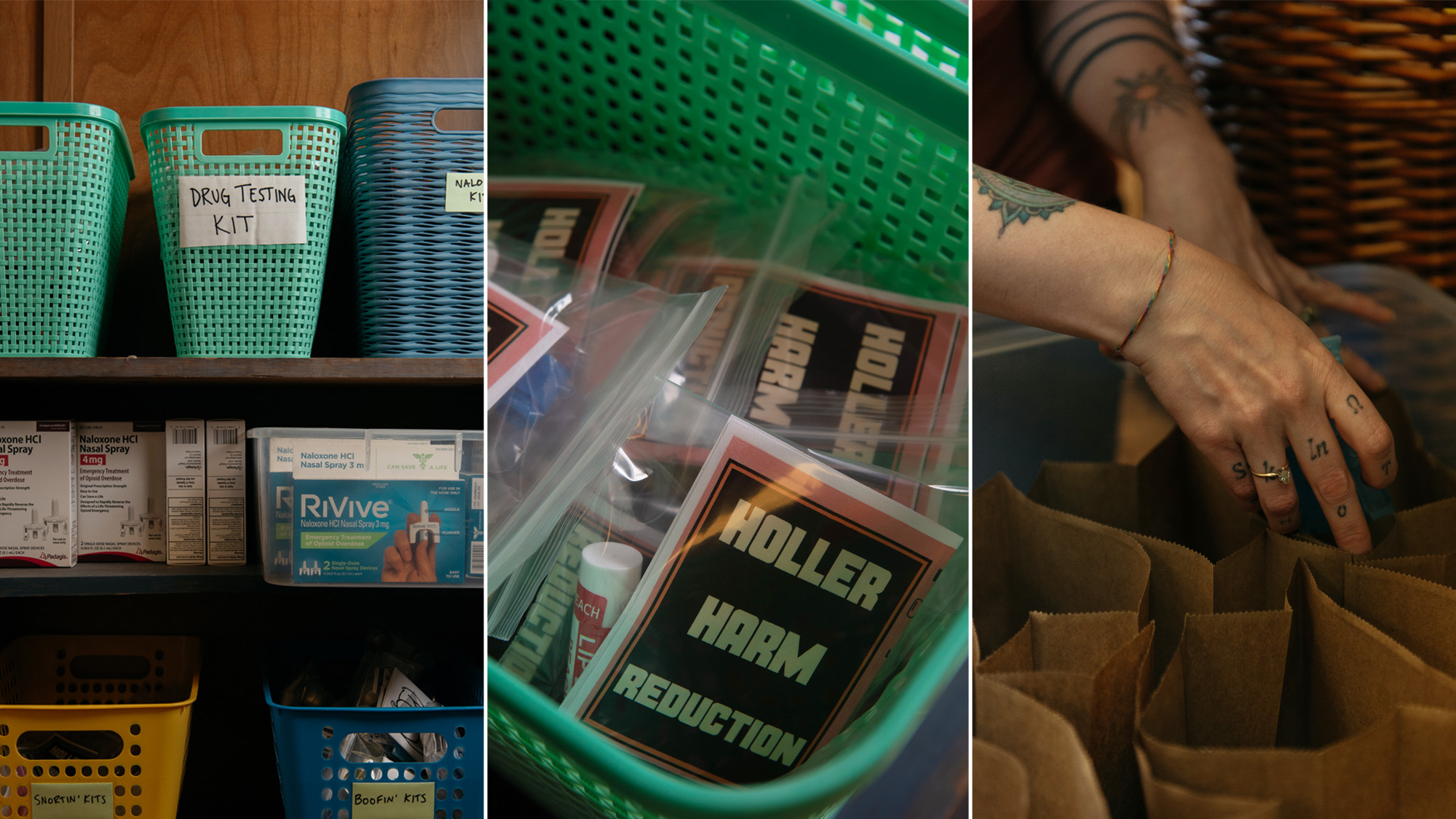
This story was published in partnership with The Assembly. It was produced as a project for USC Annenberg’s Center for Health Journalism and Center for Climate Journalism and Communication 2025 Health and Climate Change Reporting Fellowship. Kimberly Treadaway hoped she was prepared for the storm. Hurricane Helene was heading right for her home in Weaverville, North Carolina, and she worried about having enough food and water, and about her 5-month-old son. But something else weighed on her — access to Suboxone, a prescription medication she must take daily to reduce the cravings and withdrawal symptoms associated with opioid use. “If I didn’t have my medication, I wouldn’t feel OK,” she said. Treadaway is about a decade into her recovery. Maintaining sobriety depends upon a great many things remaining consistent: relationships, housing, employment, and, especially, access to the treatment she needs to avoid a relapse. She wasn’t just concerned for herself. Her partner was also on Suboxone, as were “a lot of our friends.” Many had a stockpile, or a plan to taper their dosage if they suddenly lost access. Withdrawal is always unpleasant and often dangerous. The thought of navigating the aftermath of a natural disaster with fever, chills, vomiting,
Lean: -0.232 · Source quality 67/100 · Factual vs opinion 68/100.
Methodology
Inter-model agreement