CriticalLead signal100% confidenceUpdated now
Shooting at lake near Oklahoma City leaves at least 10 wounded, police say
Flashstack
Severity weighted live coverage
Full coverage view across outlets, lean, source quality, and framing. Compare framing without algorithmic ranking.
No coverage from this perspective yet.
Civilians across the Middle East react to the Iran war
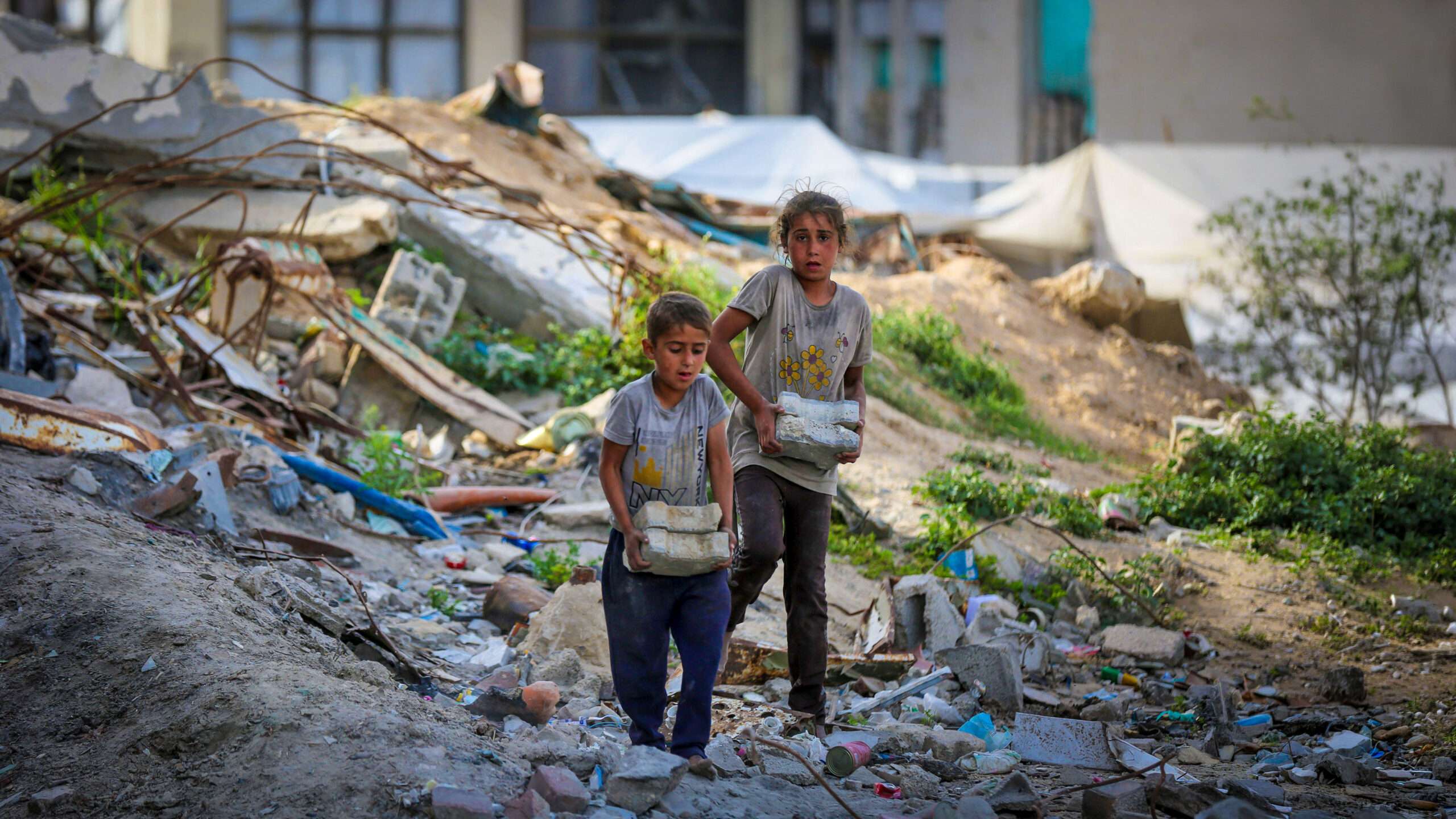
Amena found out about the war when air raid alarms woke her. Hossein first heard it when fighter jets blew up a radio station as he listened to it. Jad found out about it on the news, two hours before the bombs fell on his neighborhood. And the parents of several volleyball players found out when their daughters were pulled from the burning wreckage of a school gym. Most Americans have fortunately never seen war firsthand, and most of those who have were troops sent to fight far away. War in your hometown is a strange experience, especially a modern air war without front lines. Things you take for granted, from electricity to the freedom to go outside, disappear. Life's soundtrack becomes sirens and explosions. The danger feels distant until it isn't. Death comes seemingly at random. On February 28, during a U.S.-Israeli surprise attack, missiles hit an elementary school in Minab and a gym in Lamerd, two towns on the Iranian coast. Mir Dehdasht, whose daughter Robab's high school volleyball team was practicing at the gym, rushed over when a neighbor told him about the attack. "The injured were bleeding heavily, some had lost consciousness on the ground, others
No coverage from this perspective yet.
Pro users see canonical claims across the cluster and which outlets reported each one.
Learn moreFirst seen
May 3, 2026
Latest
May 3, 2026
Outlets
1
Diversity
50/100
Civilians across the Middle East react to the Iran war
War Civilians Across the Middle East React to the Iran War: 'A Fear That Settles in Your Heart' "Now they are hitting everything. Nowhere is safe. But don't worry, we are okay," one Iranian woman texted her American relative. Matthew Petti | From the June 2026 issue (Saeed Jaras/MEI/SIPA/Newscom) Amena found out about the war when air raid alarms woke her. Hossein first heard it when fighter jets blew up a radio station as he listened to it. Jad found out about it on the news, two hours before the bombs fell on his neighborhood. And the parents of several volleyball players found out when their daughters were pulled from the burning wreckage of a school gym. Most Americans have fortunately never seen war firsthand, and most of those who have were troops sent to fight far away. War in your hometown is a strange experience, especially a modern air war without front lines. Things you take for granted, from electricity to the freedom to go outside, disappear. Life's soundtrack becomes sirens and explosions. The danger feels distant until it isn't. Death comes seemingly at random. On February 28, during a U.S.-Israeli surprise attack, missiles hit an elementary school in