Skip to content
OVistoaIntelligence index
AboutMethodologyPricingDocs
Sign inSign up
BREAKINGPerson found dead in car after it plows into health club in Portland, Oregon2 hr ago
Top StoriesUnited StatesCanadaWorldPoliticsGeneralBusinessTechHealthSportsAviationArtificial IntelligencePublishers

Rampant growth of satellite megaconstellations could ruin the night sky

1 articles · 1 outlets · spread 0.00

Rampant growth of satellite megaconstellations could ruin the night sky
business58 d ago

Rampant growth of satellite megaconstellations could ruin the night sky

Full coverage view across outlets, lean, source quality, and framing. Compare framing without algorithmic ranking.

1 articles1 outletsSpread 0.000 claims
OVistoa

Article-level news analysis, transparent scoring, and API tools for readers, publishers, and teams that need source context.

DMCA and copyright review

Copyright owners can submit notices, counter-notices, and source material concerns through the dedicated review flow.

Open DMCA review

Product

  • Home
  • Feed
  • Search
  • Topics
  • Saved

Platform

  • About
  • Methodology
  • Home
  • Search
  • Saved
  • Me

From the Left

0 outlets

No coverage from this perspective yet.

From the Center

1 outlet
  • Scientific American·Mar 6

    Rampant growth of satellite megaconstellations could ruin the night sky

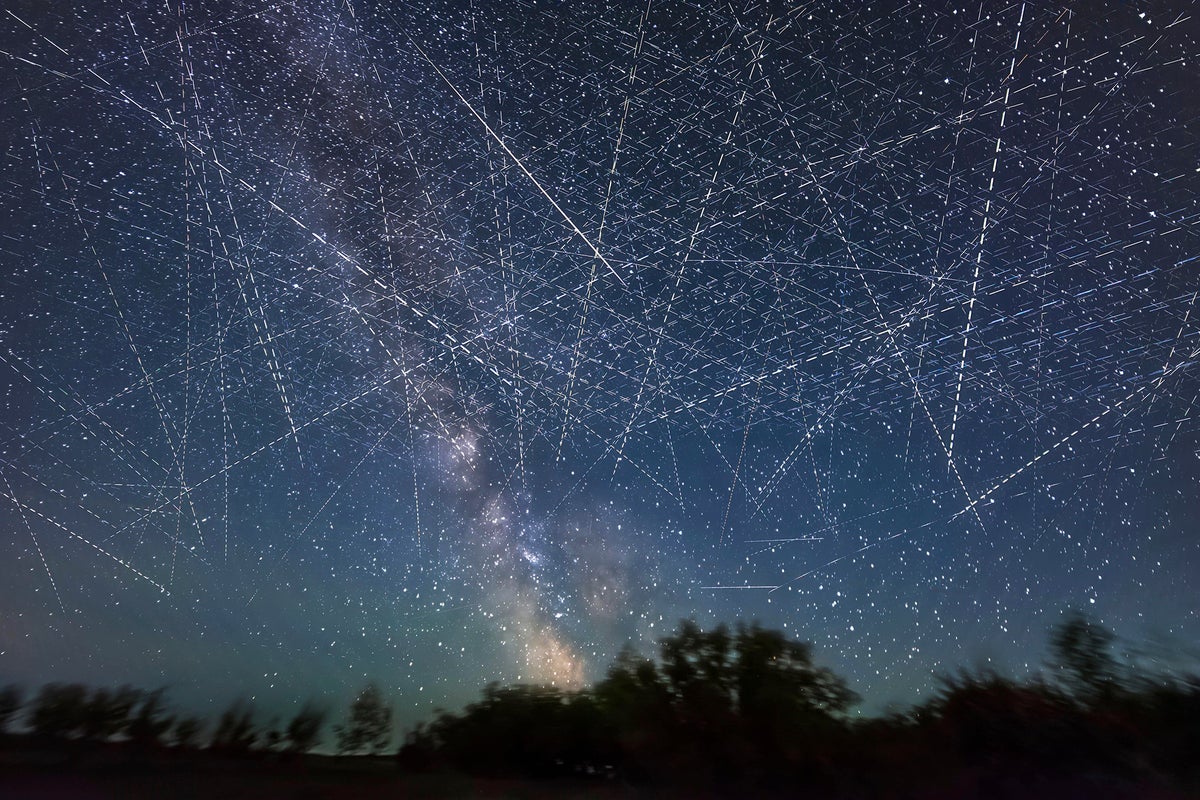
    I remember the first time I saw a satellite. I was a teenager, standing in my mildly light-polluted suburban yard and doing my usual stargazing. The satellite was a faint “star” moving slowly and smoothly across the sky, and as I watched it, I felt a mix of awe and wonder that such a thing could be seen—and that humans could put an object into orbit at all.That was a lifetime ago, and I now look back on that evening with more discomfiture than nostalgia; my adolescent naivete feels almost embarrassing.That’s because, these days, seeing one of those celestial travelers fills me with dread. We are firmly in the era of the satellite constellation—groups of dozens of similar satellites—and are currently entering the era of the megaconstellation, wherein groups of thousands of satellites swarm the skies. The clusters of satellites started small, but, like a viral outbreak, they grew almost without us noticing—and now we’re dealing with a pandemic.On supporting science journalismIf you're enjoying this article, consider supporting our award-winning journalism by subscribing. By purchasing a subscription you are helping to ensure the future of impactful stories about the discoveries and ideas shaping our world today.I wrote about this problem

From the Right

0 outlets

No coverage from this perspective yet.

Claim synthesis

Pro users see canonical claims across the cluster and which outlets reported each one.

Learn more

Outlets covering this story

Scientific American

First seen

Mar 6, 2026

Latest

Mar 6, 2026

Outlets

1

Diversity

100/100

  • Pricing
  • API docs
  • Publishers
  • Account

    • Sign in
    • Create account
    • Reader settings
    • API console

    Legal

    • Terms
    • Privacy
    • Security
    • DMCA

    © 2026 Vistoa. All rights reserved.

    Limited excerpts, attribution, analysis, and outbound publisher links remain core product boundaries.