Skip to content
OVistoaIntelligence index
AboutMethodologyPricingDocs
Sign inSign up
BREAKINGPerson found dead in car after it plows into health club in Portland, Oregon2 hr ago
Top StoriesUnited StatesCanadaWorldPoliticsGeneralBusinessTechHealthSportsAviationArtificial IntelligencePublishers

What’s faster than light? Darkness

1 articles · 1 outlets · spread 0.00

What’s faster than light? Darkness
world3 d ago

What’s faster than light? Darkness

Full coverage view across outlets, lean, source quality, and framing. Compare framing without algorithmic ranking.

1 articles1 outletsSpread 0.000 claims
OVistoa

Article-level news analysis, transparent scoring, and API tools for readers, publishers, and teams that need source context.

DMCA and copyright review

Copyright owners can submit notices, counter-notices, and source material concerns through the dedicated review flow.

Open DMCA review

Product

  • Home
  • Feed
  • Search
  • Topics
  • Saved

Platform

  • About
  • Methodology
  • Home
  • Search
  • Saved
  • Me

From the Left

0 outlets

No coverage from this perspective yet.

From the Center

1 outlet
  • Scientific American·Apr 30

    What’s faster than light? Darkness

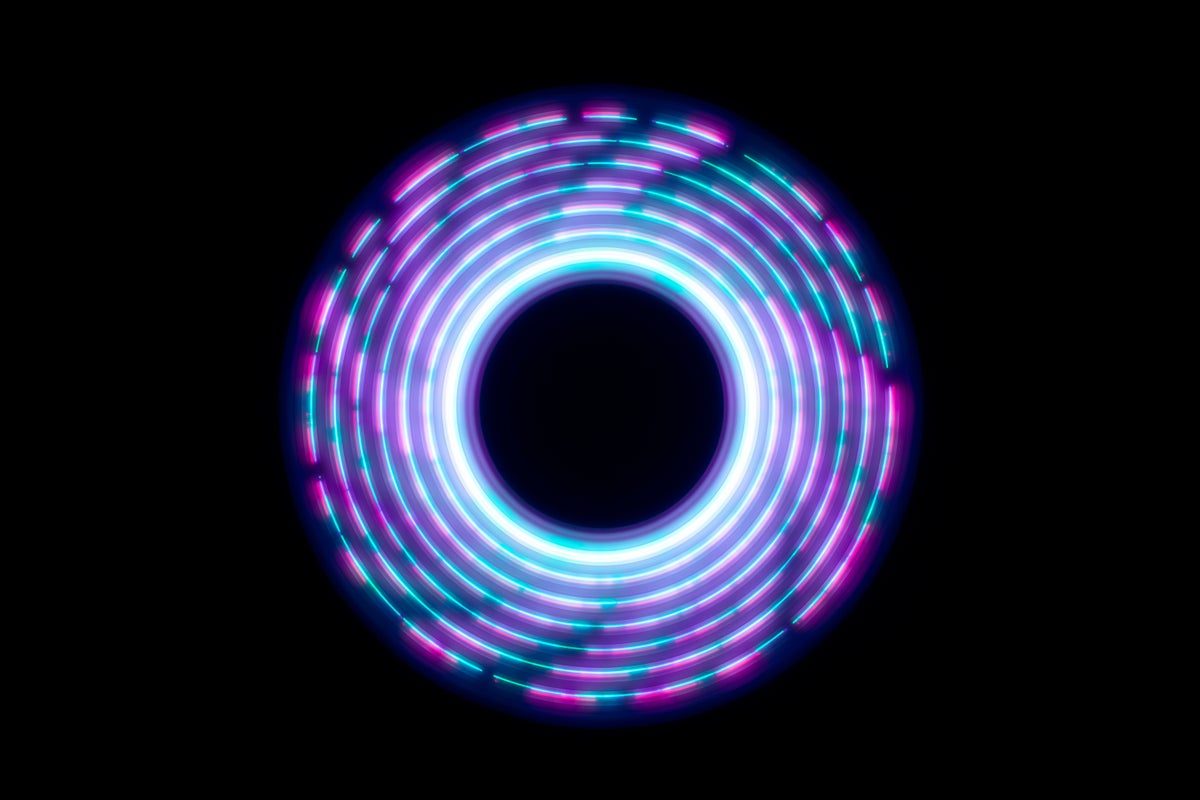
    April 30, 20262 min read Add Us On GoogleAdd SciAmA recent experiment revealed that individual dark points on a light wave can move faster than the wave itselfBy Adam Kovac edited by Claire Cameron MirageC/Getty ImagesJoin Our Community of Science Lovers!The speed of light in a vacuum has been known as both a universal constant and a hard speed limit for all matter in the universe ever since Albert Einstein published his special theory of relativity in 1905. Rules, however, are made to be broken. And an international team of physicists appears to have found just such a loophole: the only thing that goes faster than light, it turns out, is darkness.More specifically, individual dark spots known as optical vortices, or phase singularities, do so. As a light wave travels through space, it oscillates and twists—at the center of that twist, the peaks and troughs of the light wave cancel each other out, creating dark spots that—under certain conditions—outrun the light wave itself. The research was conducted by Technion–Israel Institute of Technology physicist Ido Kaminer and his colleagues.“Our discovery reveals universal laws of nature shared by all types of waves, from sound waves and fluid flows to complex systems such

From the Right

0 outlets

No coverage from this perspective yet.

Claim synthesis

Pro users see canonical claims across the cluster and which outlets reported each one.

Learn more

Outlets covering this story

Scientific American

First seen

Apr 30, 2026

Latest

Apr 30, 2026

Outlets

1

Diversity

100/100

  • Pricing
  • API docs
  • Publishers
  • Account

    • Sign in
    • Create account
    • Reader settings
    • API console

    Legal

    • Terms
    • Privacy
    • Security
    • DMCA

    © 2026 Vistoa. All rights reserved.

    Limited excerpts, attribution, analysis, and outbound publisher links remain core product boundaries.