Skip to content
OVistoaIntelligence index
AboutMethodologyPricingDocs
Sign inSign up
BREAKINGPerson found dead in car after it plows into health club in Portland, Oregon2 hr ago
Top StoriesUnited StatesCanadaWorldPoliticsGeneralBusinessTechHealthSportsAviationArtificial IntelligencePublishers

Why the 60-day War Powers Resolution deadline doesn’t actually constrain presidents

1 articles · 1 outlets · spread 0.00

Why the 60-day War Powers Resolution deadline doesn’t actually constrain presidents
war powers2 d ago

Why the 60-day War Powers Resolution deadline doesn’t actually constrain presidents

Full coverage view across outlets, lean, source quality, and framing. Compare framing without algorithmic ranking.

1 articles1 outletsSpread 0.0012 claims
OVistoa

Article-level news analysis, transparent scoring, and API tools for readers, publishers, and teams that need source context.

DMCA and copyright review

Copyright owners can submit notices, counter-notices, and source material concerns through the dedicated review flow.

Open DMCA review

Product

  • Home
  • Feed
  • Search
  • Topics
  • Saved

Platform

  • About
  • Methodology
  • Home
  • Search
  • Saved
  • Me

From the Left

0 outlets

No coverage from this perspective yet.

From the Center

1 outlet
  • The Conversation·May 1

    Why the 60-day War Powers Resolution deadline doesn’t actually constrain presidents

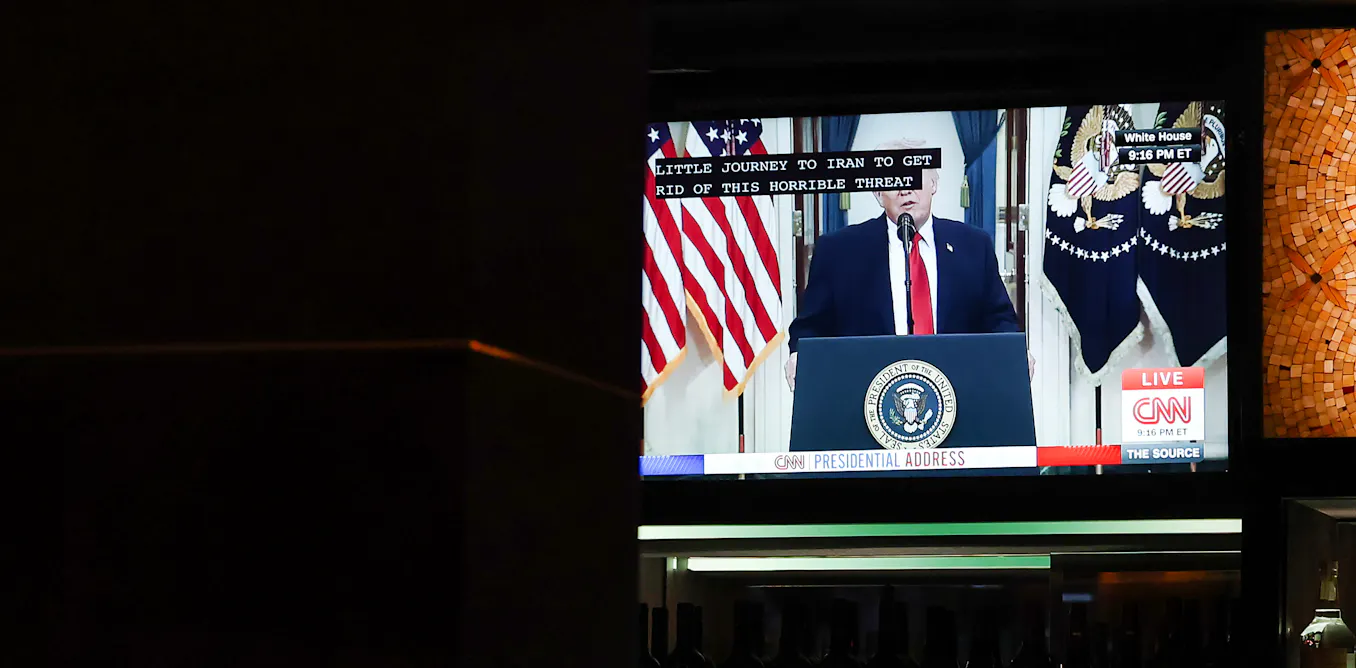
    May 1, 2026, marks the 60th day of Operation Epic Fury in Iran – a symbolically significant date designating when a president who has mounted unilateral military operations must receive Congressional approval or wind it down. However, the complex history of the War Powers Resolution clock demonstrates it is a toothless milestone. The Trump administration signaled on April 30, 2026, that it would ignore that deadline, set by the War Powers Resolution. Secretary of Defense Pete Hegseth testified before the Senate Armed Services Committee that “we are in a cease-fire right now, which my understanding is that the 60-day clock pauses or stops in a cease-fire. That’s our understanding, so you know.” Sen. Tim Kaine of Virginia, a Democrat, responded that the 60-day threshold poses a “legal question” and “constitutional concerns.” This is not the first time presidents and members of Congress have sparred on the meaning of the War Powers Resolution. What happens next will play out through regular politics, because the conflict is not a matter of simple legal interpretation. War: Collective judgment In the U.S. Constitution, Congress and the president share war powers. In the shadow of political struggles in the final years of the Vietnam War,

From the Right

0 outlets

No coverage from this perspective yet.

Claim synthesis

Pro users see canonical claims across the cluster and which outlets reported each one.

Learn more

Outlets covering this story

The Conversation

First seen

May 1, 2026

Latest

May 1, 2026

Outlets

1

Diversity

100/100

  • Pricing
  • API docs
  • Publishers
  • Account

    • Sign in
    • Create account
    • Reader settings
    • API console

    Legal

    • Terms
    • Privacy
    • Security
    • DMCA

    © 2026 Vistoa. All rights reserved.

    Limited excerpts, attribution, analysis, and outbound publisher links remain core product boundaries.