Skip to content
OVistoaIntelligence index
AboutMethodologyPricingDocs
Sign inSign up
BREAKINGPerson found dead in car after it plows into health club in Portland, Oregon2 hr ago
Top StoriesUnited StatesCanadaWorldPoliticsGeneralBusinessTechHealthSportsAviationArtificial IntelligencePublishers

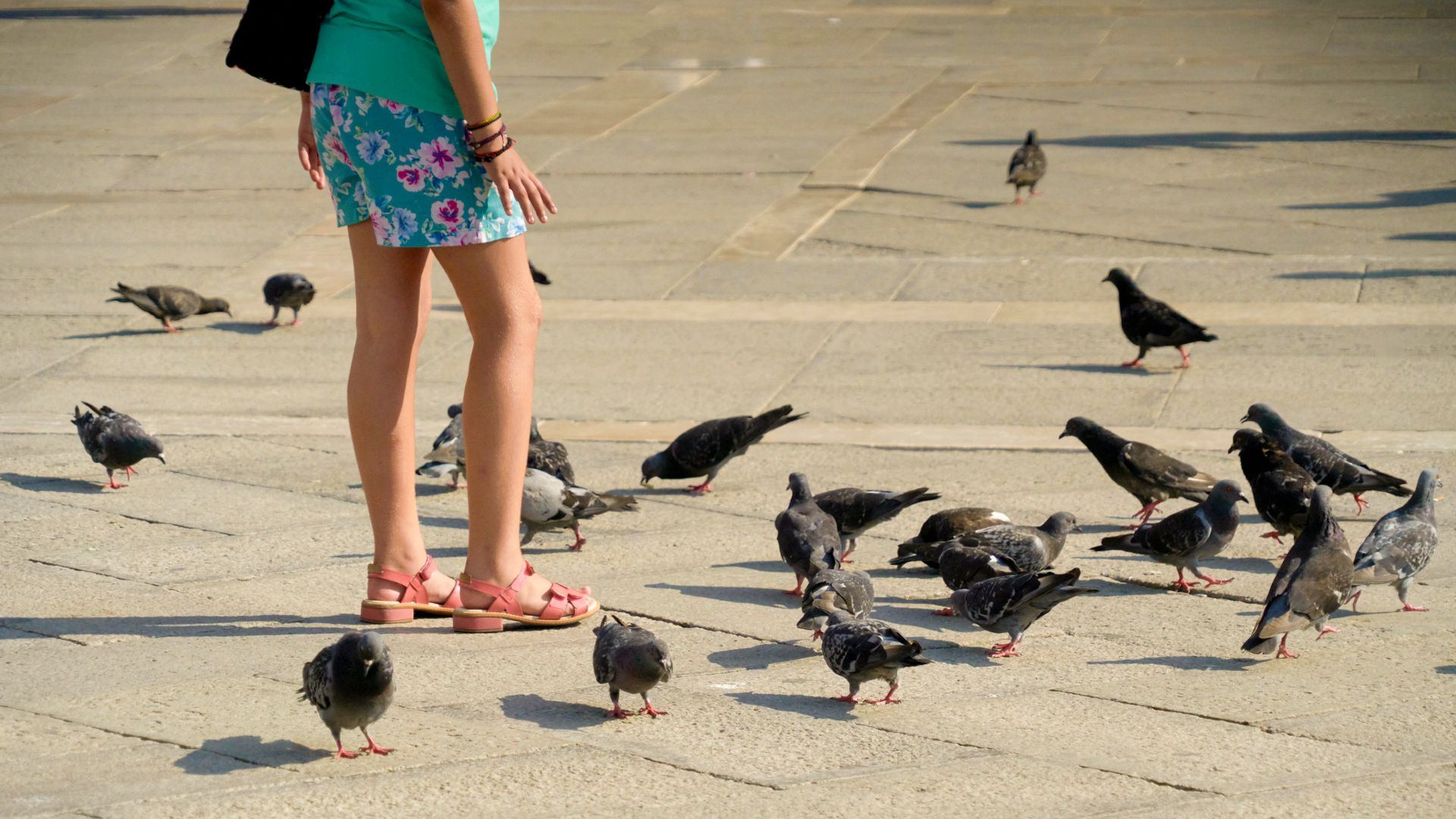
City birds appear more afraid of women than men, and scientists have no idea why

2 articles · 2 outlets · spread 0.00

City birds appear more afraid of women than men, and scientists have no idea why
general2 d ago

City birds appear more afraid of women than men, and scientists have no idea why

Full coverage view across outlets, lean, source quality, and framing. Compare framing without algorithmic ranking.

2 articles2 outletsSpread 0.0012 claims
OVistoa

Article-level news analysis, transparent scoring, and API tools for readers, publishers, and teams that need source context.

DMCA and copyright review

Copyright owners can submit notices, counter-notices, and source material concerns through the dedicated review flow.

Open DMCA review

Product

  • Home
  • Feed
  • Search
  • Topics
  • Saved

Platform

  • About
  • Methodology
  • Home
  • Search
  • Saved
  • Me

From the Left

0 outlets

No coverage from this perspective yet.

From the Center

2 outlets
  • Live Science·May 1

    City birds appear to like men more than women, but experts have no idea why

    Despite being surrounded by a multitude of people, urban birds may be picky about who can approach them, new research suggests.After surveying over 37 city bird species in five European countries, experts found that the avians fled sooner when approached by women than by men. The findings, published in December 2025 in the journal People and Nature, suggest that the birds can differentiate between the sex of the person approaching them."As a woman in the field, I was surprised that birds reacted to us differently," study co-author Yanina Benedetti, an ecologist at the Czech University of Life Sciences Prague, said in a statement. "This study highlights how animals in cities 'see' humans, which has implications for urban ecology and equality in science. Many behavioural studies assume that a human observer is neutral, but this wasn't the case for urban birds in our study."Outside experts agree that these findings are puzzling, but also preliminary."Until we have a good reason to hypothesize such differences, I remain a bit skeptical," John Marzluff, a professor emeritus in ecology at the University of Washington, told Live Science in an email. "But I am not at all skeptical that birds pay a lot of attention to

  • Scientific American·Apr 28

    City birds appear more afraid of women than men, and scientists have no idea why

    April 28, 20262 min read Add Us On GoogleAdd SciAm“I fully believe our results, that urban birds react differently based on the sex of the person approaching them,” said a co-author of a study that made this finding, “but I can’t explain them right now”By Claire Cameron edited by Jeanna Bryner imageBROKER/Kevin Sawford via Getty ImagesJoin Our Community of Science Lovers!European Great Tits and 36 other bird species on the continent are more afraid of women than they are of men, according to a recent study—and researchers have no idea why.In the study, men could get about a meter closer to birds than women could before the animals flew away, according to the results. This pattern remained regardless of what the men and women were wearing, what their height was or how they tried to approach the creatures. That suggests birds may be able to suss out the sex of a human, though the researchers aren’t sure how.“I fully believe our results, that urban birds react differently based on the sex of the person approaching them, but I can’t explain them right now,” said Daniel Blumstein, a co-author of the study and a professor at the University of California, Los

From the Right

0 outlets

No coverage from this perspective yet.

Claim synthesis

Pro users see canonical claims across the cluster and which outlets reported each one.

Learn more

Outlets covering this story

Live ScienceScientific American

First seen

Apr 28, 2026

Latest

May 1, 2026

Outlets

2

Diversity

100/100

  • Pricing
  • API docs
  • Publishers
  • Account

    • Sign in
    • Create account
    • Reader settings
    • API console

    Legal

    • Terms
    • Privacy
    • Security
    • DMCA

    © 2026 Vistoa. All rights reserved.

    Limited excerpts, attribution, analysis, and outbound publisher links remain core product boundaries.