CriticalLead signal100% confidence3 hr ago
Shooting at lake near Oklahoma City leaves at least 10 wounded, police say
Flashstack
Severity weighted live coverage
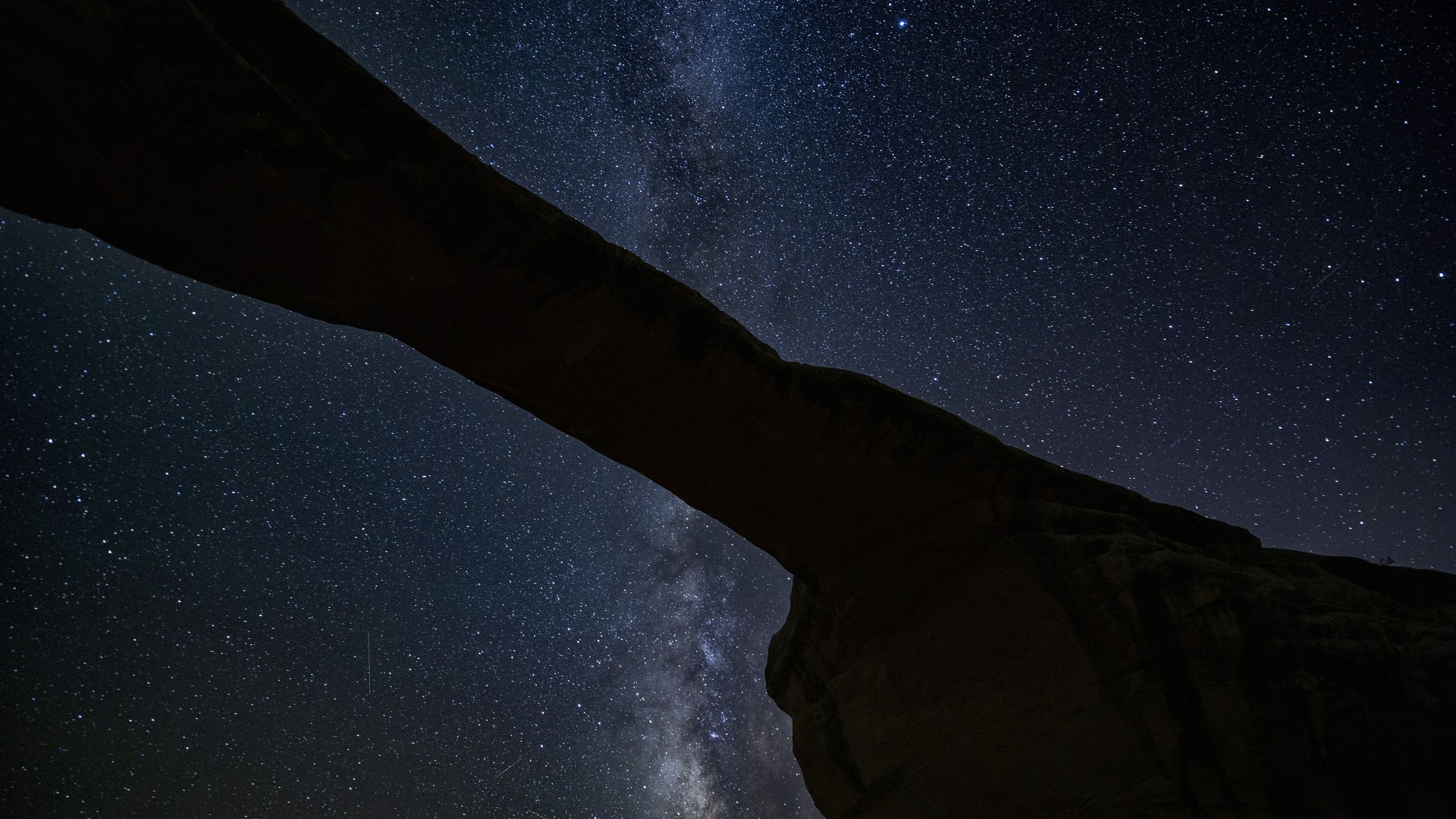
Owachomo Bridge and the Milky Way. (Image credit: Jamie Carter) A few years ago, a friend came back from Jordan in September and told me I'd got it wrong."I went to that desert you told me about but I didn't see many stars," he said.This was awkward. I'd been very specific. Wadi Rum is one of the best places on Earth for stargazing and to see the Milky Way — vast, dry, high and almost completely free of light pollution. I'd painted a picture of it: a river of starlight arching over the desert."I mean, there were stars," he added. "But no Milky Way. Just a really bright moon."And there it was.He hadn't gone to the wrong place. He hadn't gone in the wrong season — September is an ideal time to see the Milky Way. He'd gone during the "wrong" moon phase.Humans adore the full moon, but few appreciate how it changes the rest of the night sky. It's nature's biggest light polluter. There's really no point poring over light pollution maps or carefully choosing a Dark Sky Place if you ignore the phases of the moon, because if it's bright, it will overwhelm all but the brightest stars.Work
Lean: 0.000 · Source quality 65/100 · Factual vs opinion 70/100.
Methodology