Skip to content
OVistoaIntelligence index
AboutMethodologyPricingDocs
Sign inSign up
BREAKINGPerson found dead in car after it plows into health club in Portland, Oregon38 min ago
Top StoriesUnited StatesCanadaWorldPoliticsGeneralBusinessTechHealthAviationSportsArtificial IntelligencePublishers

The Conversation

May 1, 2026

AI data center boom is leaving consumer electronics short of chips − even though they don’t use the same kinds
The Conversationby Vidya Mani·May 1, 2026

AI data center boom is leaving consumer electronics short of chips − even though they don’t use the same kinds

OVistoa

Article-level news analysis, transparent scoring, and API tools for readers, publishers, and teams that need source context.

DMCA and copyright review

Copyright owners can submit notices, counter-notices, and source material concerns through the dedicated review flow.

Open DMCA review

Product

  • Home
  • Feed
  • Search
  • Topics
  • Saved

Platform

  • About
  • Methodology
  • Home
  • Search
  • Saved
  • Me
Political leancenter
Source quality60/100
Factual ratio20/100
Framing20/100

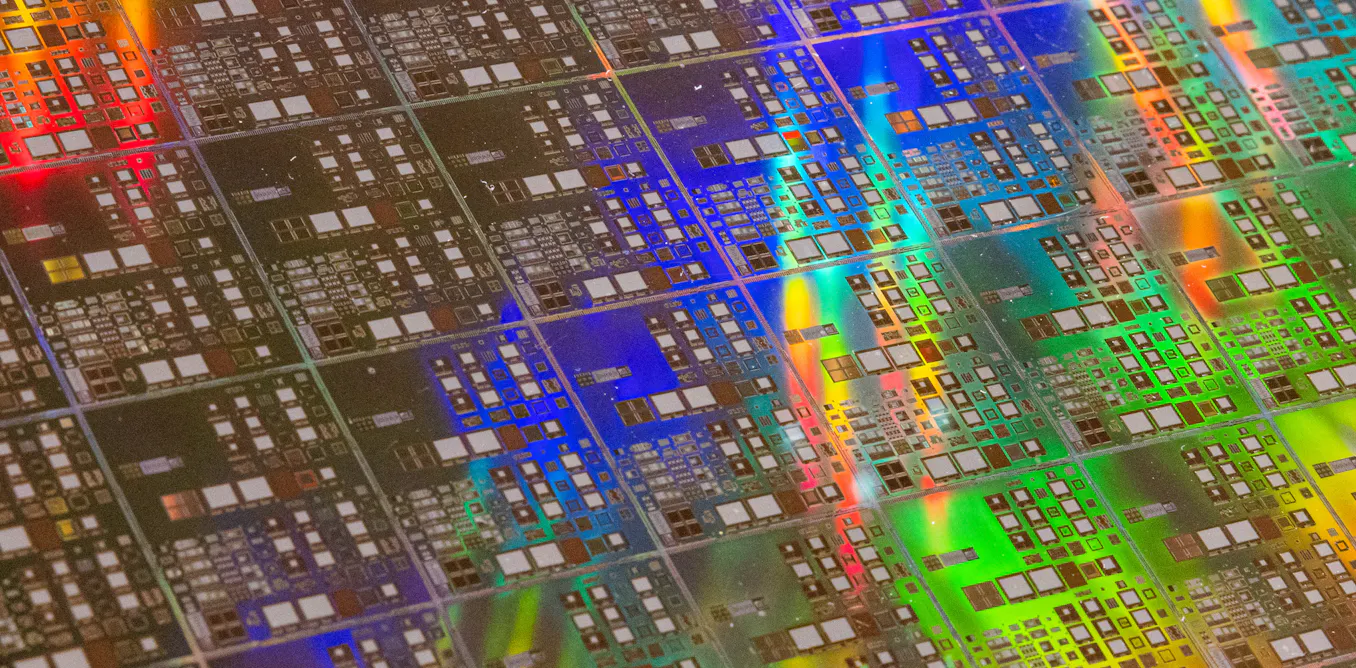
The boom in data center construction is taking up much of the supply of high-tech components, especially processor and memory chips. This demand is squeezing consumer device makers, which are having trouble acquiring enough chips. This is happening even though data center servers and smartphones use different types of chips. The key distinction between consumer electronics and data centers is what they need chips to be optimized for. Smartphones and PCs require low power use, thermal efficiency and tight integration. Data centers that run AI systems such as large language models, or LLMs, require maximum compute power, memory bandwidth and storage throughput. To meet these needs, consumer devices tend to rely on systems-on-a-chip – chips that combine processing and storage – with dynamic random access memory, or DRAM, and NAND, a type of nonvolatile memory. In contrast, AI servers rely on graphics processing units, or GPUs, or other accelerator processors combined with high-bandwidth memory chips. I study global supply chains and how businesses respond to market constraints within these supply chains. The reason for the consumer electronics supply crunch has to do with the nature of the chip market: its concentration and high costs and how it responds to boom-and-bust

Read at The ConversationCompare full coverage

Lean: 0.000 · Source quality 60/100 · Factual vs opinion 20/100.

Score signature

Political lean

Political leancenterSource quality60/100Factual ratio20/100Framing20/100

Methodology

v1
100
Source diversity
across 1 outlet
Compare full coverage
  • Pricing
  • API docs
  • Publishers
  • Account

    • Sign in
    • Create account
    • Reader settings
    • API console

    Legal

    • Terms
    • Privacy
    • Security
    • DMCA

    © 2026 Vistoa. All rights reserved.

    Limited excerpts, attribution, analysis, and outbound publisher links remain core product boundaries.