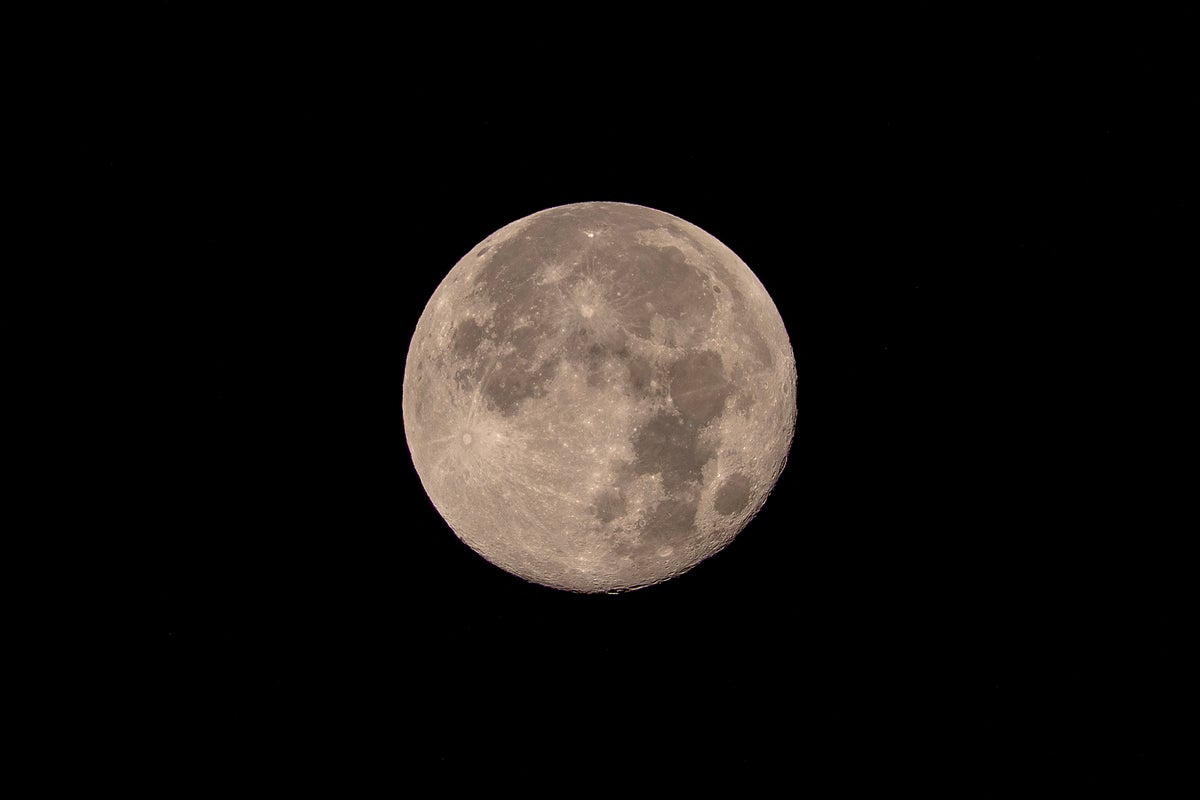
A SpaceX rocket booster is on track to hit the moon at several times the speed of soundWhile there is no immediate danger, this crash highlights that space junk is increasingly expanding out of lower-Earth orbitBy Adam Kovac edited by Claire Cameron SOPA Images/Getty ImagesA stray piece of a SpaceX Falcon 9 rocket is on course to smash into the moon’s surface at several times the speed of sound in August. The collision is likely to leave a crater—and it highlights the risk of space junk to the lunar surface at a moment when NASA and other national space agencies are pushing hard to return humans to the moon.The wayward booster was spotted by independent astronomer Bill Gray, who develops and sells software dedicated to tracking celestial objects both artificial and natural. The rocket originally launched in January 2025 and carried other private space companies’ lunar landers: Firefly Aerospace’s Blue Ghost and Japanese firm ispace’s Hakuto-R. After the rocket set the landers on a path for the lunar surface, the booster was supposed to burn up following its reentry in Earth’s atmosphere. But that’s not what happened.Instead it entered a 26-day-long orbit that took it up to 310,000 miles away
Lean: n/a · Source quality n/a · Factual vs opinion n/a.
© 2026 Vistoa. All rights reserved.
Limited excerpts, attribution, analysis, and outbound publisher links remain core product boundaries.