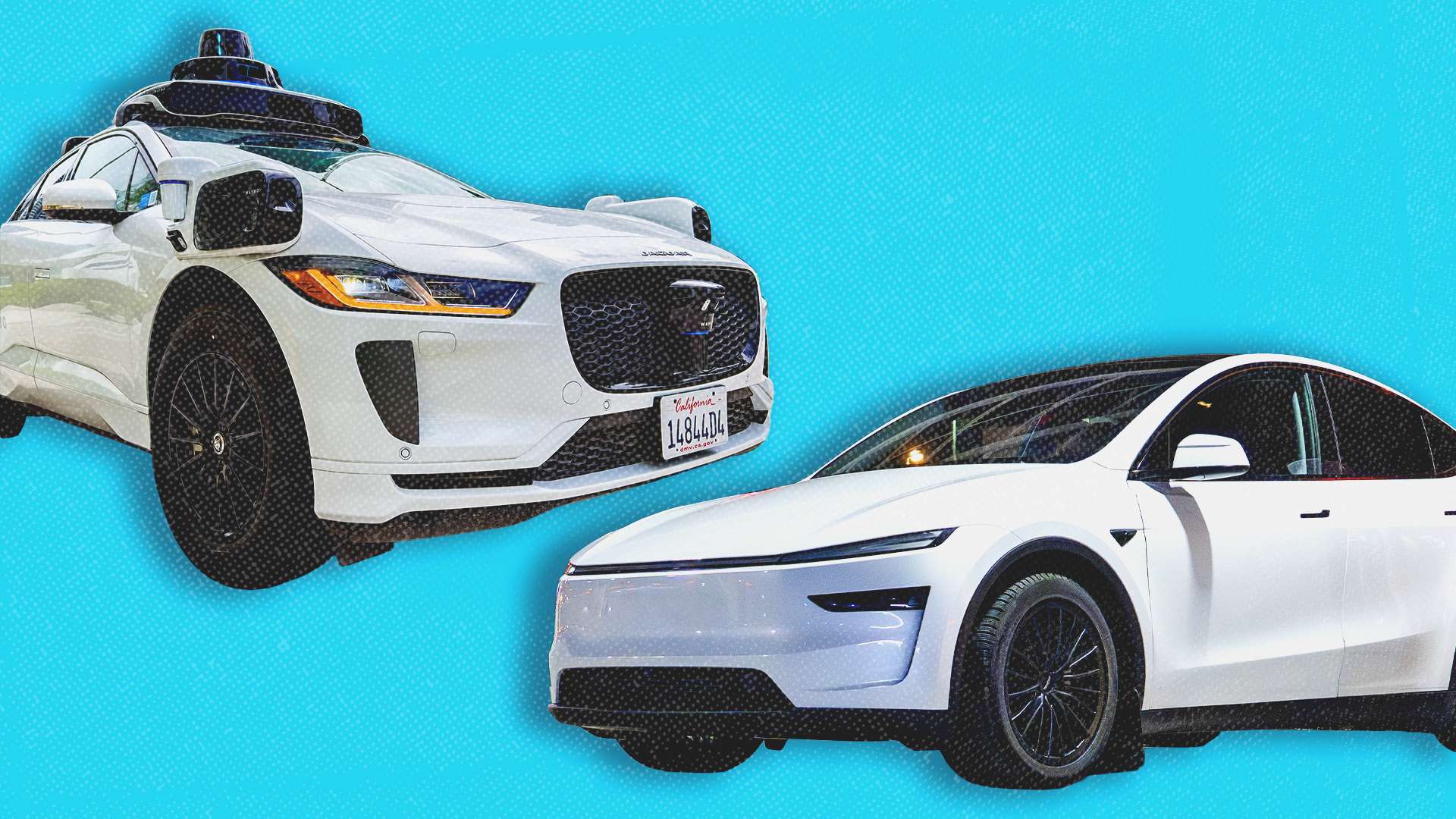
To put American traffic deaths in perspective, consider the Miami Marlins. Since 2012, the baseball team has played its home games at the stadium now called LoanDepot Park. The field's official capacity is 36,742, roughly the number of Americans who die in traffic crashes every year. America loses a baseball stadium's worth of lives to vehicular accidents every 12 months. For the first time, there's a way to prevent many, and perhaps most, of those deaths: self-driving cars. But self-driving cars are controversial. Some worry about safety. Others worry about jobs. Opposition from unions and local political figures has slowed their rollout in cities like Washington, D.C., and Boston. And Congress has now taken up the task of writing a law that would govern how self-driving cars operate and what safety measures they must meet. The bulk of current efforts has produced not one bill but two, which pull in opposite directions. On one side is the SELF DRIVE Act, which would create the first federal statute on automated vehicle (A.V.) safety. Along with companion legislation, the bill would require manufacturers to self-certify their systems against a "safety case" standard, i.e., a structured and evidence-based argument that their system won't
Lean: n/a · Source quality n/a · Factual vs opinion n/a.
© 2026 Vistoa. All rights reserved.
Limited excerpts, attribution, analysis, and outbound publisher links remain core product boundaries.