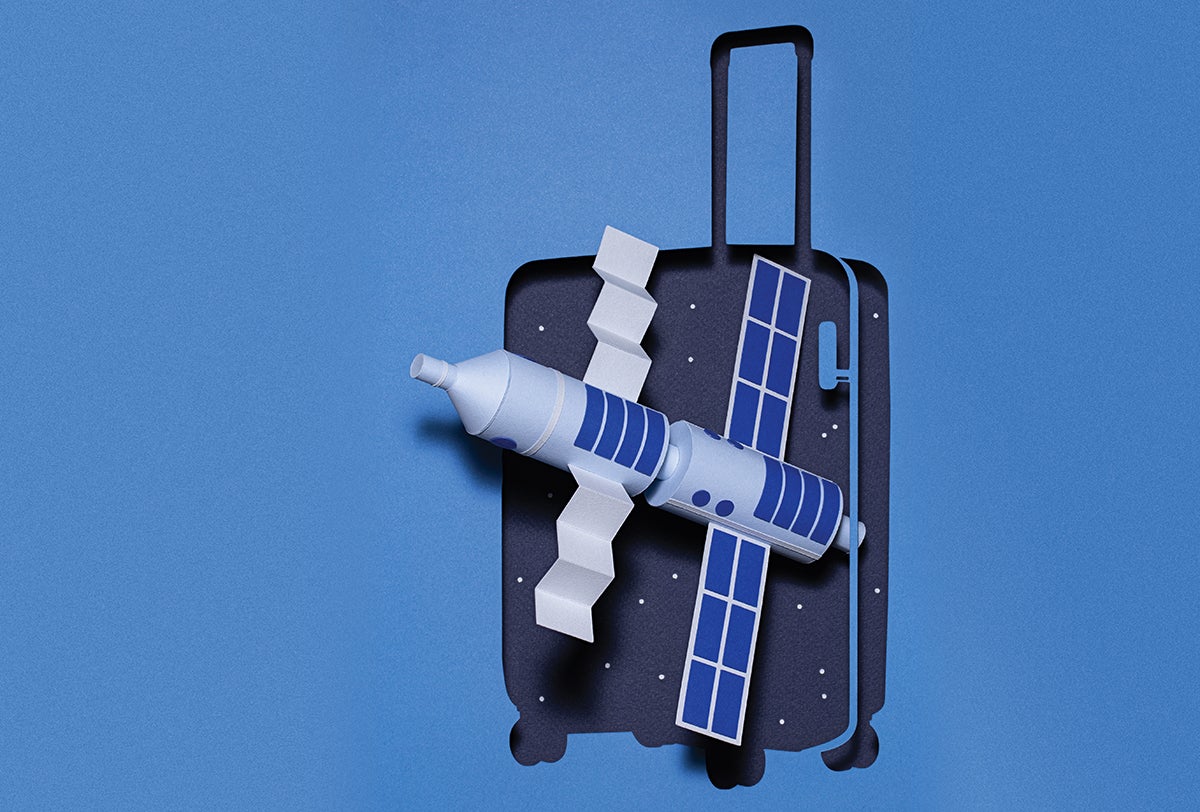
When astronauts first step onboard commercial space stations, the experience will be unlike anything they’ve encountered before. They could find wood paneling and warm interiors, next-generation sleeping pods, large windows for a stunning view of Earth, and an ambience akin to that of a high-end hotel on the ground. This vision is the promise of multiple private efforts to launch orbital habitats in the coming years that could welcome space tourists and government astronauts alike.But the idea of luxury living in space—something commercial space station operators are so far being careful not to promise—can seem like an oxymoron. For instance, the International Space Station (ISS) is cramped, smelly and filled with crumbs and dead skin cells. Maintaining a comfortable, clean atmosphere, much less a five-star experience, on a functioning spaceship will present all kinds of hurdles. “I’m skeptical,” says Jeff Nosanov, an industry expert based in Atlanta and a former NASA proposal manager. “The challenges of keeping a space station functional are very underappreciated.”The first of four planned commercial space stations, Haven-1 from California-based company Vast, is set to launch early in 2027. These outposts are being developed, some with funding from NASA, as successors to the ISS ahead of
Lean: n/a · Source quality n/a · Factual vs opinion n/a.
© 2026 Vistoa. All rights reserved.
Limited excerpts, attribution, analysis, and outbound publisher links remain core product boundaries.