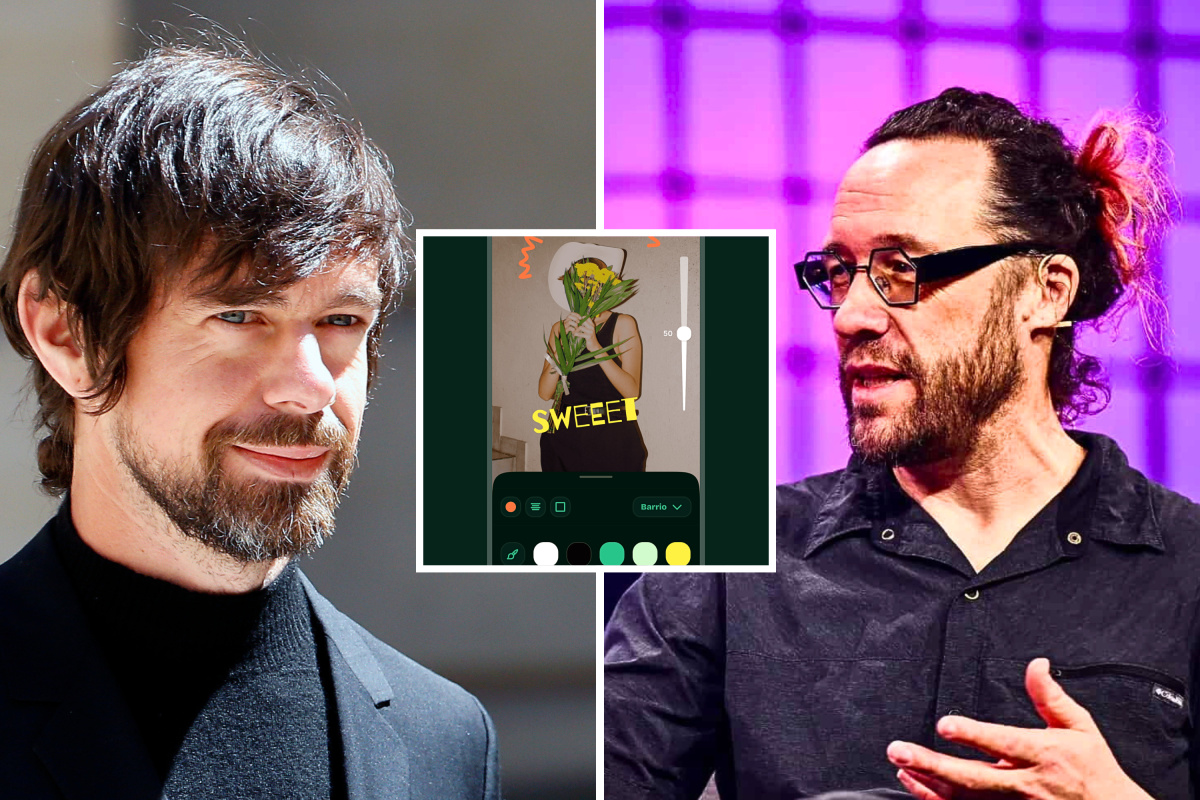
Trending slogans online might read that "2026 is the new 2016," but no one expected nostalgia for the decade's pop culture and style quirks to align with its most recognizable social media platform staging a comeback. Before TikTok—which has 1.9 billion users—there was Vine, a short-form video app where users could share up to 6-second-long clips. Some of those users went on to become big influencers, now dominating other social media platforms, while Vine's best-loved clips were viewed all around the world. But five years after being sold to X (then Twitter), Vine was discontinued—and two years after that, its archive of viral content, lost.After months of development, Evan Henshaw-Plath, one of Twitter's first staffers and central to the platform's rise, has launched diVine, Vine's successor, along with the support of longtime collaborator Jack Dorsey, Twitter's former CEO and serial entrepreneur.DiVine: The Revival of VineThe spark for diVine, Henshaw-Plath—known widely as Rabble—told Newsweek, was born out of frustration at the spread of AI-generated content on today's most popular social media platforms."The idea came from my annoyance at seeing videos and not knowing if they are real," he said, speaking from Dorsey's California home, though he is ordinarily based in New
Lean: 0.050 · Source quality 50/100 · Factual vs opinion 65/100.
© 2026 Vistoa. All rights reserved.
Limited excerpts, attribution, analysis, and outbound publisher links remain core product boundaries.