Skip to content
OVistoaIntelligence index
AboutMethodologyPricingDocs
Sign inSign up
LIVETrump says Iran seeks terms he ‘can’t agree to’ in latest peace proposal7 hr ago
Top StoriesUnited StatesCanadaWorldPoliticsGeneralBusinessTechHealthSportsAviationArtificial IntelligencePublishers

Live Science

May 3, 2026

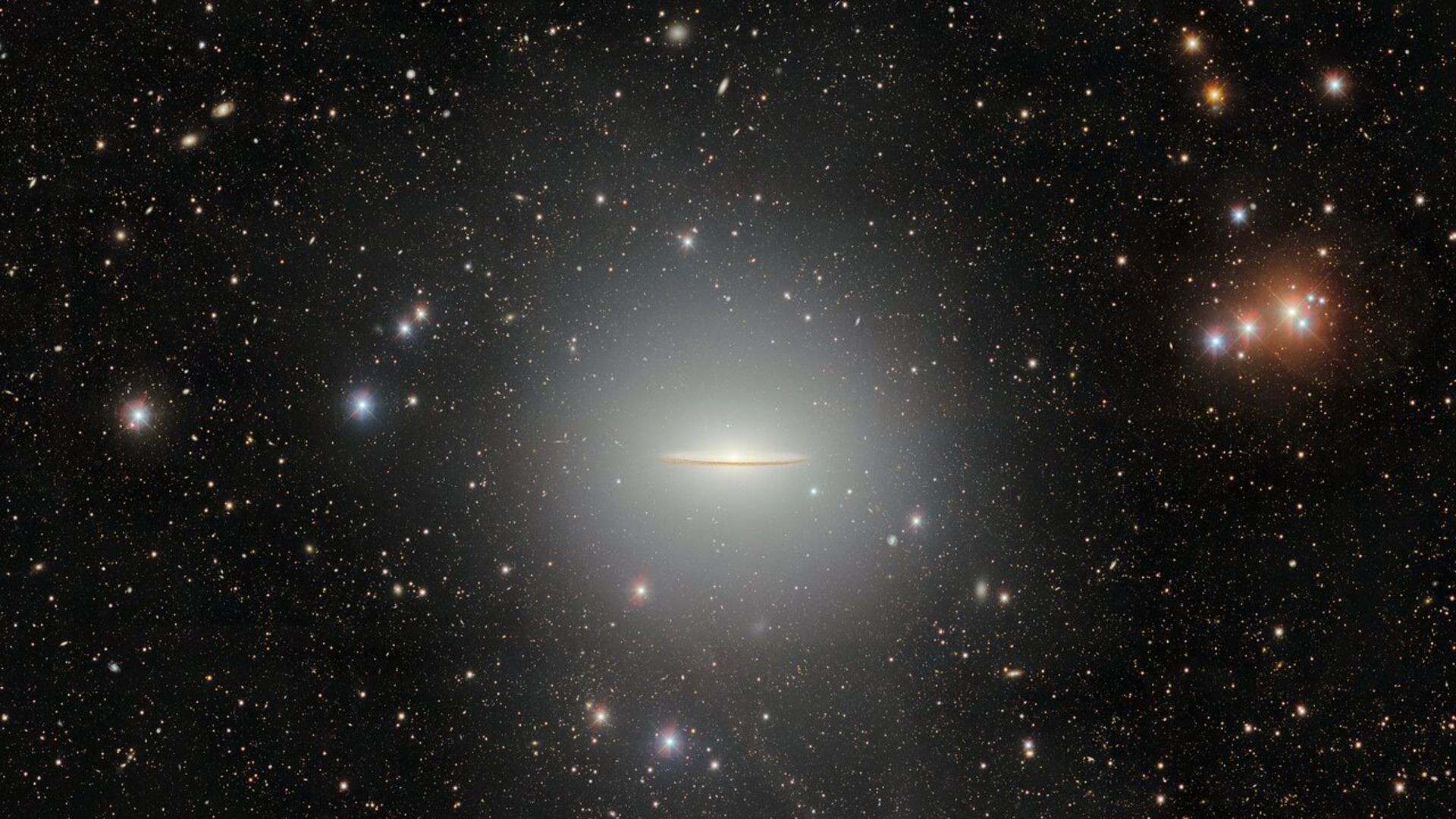
A flat disk of glowing light is seen against a starry background in space.
Live Scienceby Jamie Carter·May 3, 2026

Scientists detect an enormous halo around the iconic Sombrero Galaxy — Space photo of the week

Political lean
OVistoa

Article-level news analysis, transparent scoring, and API tools for readers, publishers, and teams that need source context.

DMCA and copyright review

Copyright owners can submit notices, counter-notices, and source material concerns through the dedicated review flow.

Open DMCA review

Product

  • Home
  • Feed
  • Search
  • Topics
  • Saved

Platform

  • About
  • Methodology
  • Home
  • Search
  • Saved
  • Me
center
Source quality56/100
Factual ratio92/100
Framing0/100

Quick factsWhat it is: Sombrero Galaxy (M104)Where it is: 30 million light-years away, in the constellations Virgo and CorvusWhen it was shared: April 24, 2026The central bulge and dark dust trail, which together resemble a traditional Mexican hat, give the Sombrero Galaxy (Messier 104, or M104) its nickname — but this new image of the galaxy from the powerful Dark Energy Camera reveals two never-before-seen features.What sets this image apart are features that are usually too faint to detect. Surrounding the galaxy in this wide-angle image is an enormous, diffuse halo that extends far beyond the bright disk, stretching over three times the width of the sombrero itself and significantly increasing the galaxy's apparent size.The image also captures a faint stellar stream stretching away from one side of the galaxy. This thin, curved feature is barely perceptible at first glance, but a closer inspection reveals it as a distinct arc of light beneath the galaxy as it's shown here. It breaks the galaxy's perfect symmetry and suggests past violent interactions with a smaller satellite galaxy.The remarkable clarity of the image is due to the capabilities of the Dark Energy Camera, a 570-megapixel instrument mounted on the Víctor M. Blanco 4-meter

Read at Live ScienceCompare full coverage

Lean: 0.000 · Source quality 56/100 · Factual vs opinion 92/100.

Score signature

Political lean

Political leancenterSource quality56/100Factual ratio92/100Framing0/100

Methodology

v2-canonical

Inter-model agreement

Models agree
100
Source diversity
across 1 outlet
Compare full coverage
  • Pricing
  • API docs
  • Publishers
  • Account

    • Sign in
    • Create account
    • Reader settings
    • API console

    Legal

    • Terms
    • Privacy
    • Security
    • DMCA

    © 2026 Vistoa. All rights reserved.

    Limited excerpts, attribution, analysis, and outbound publisher links remain core product boundaries.