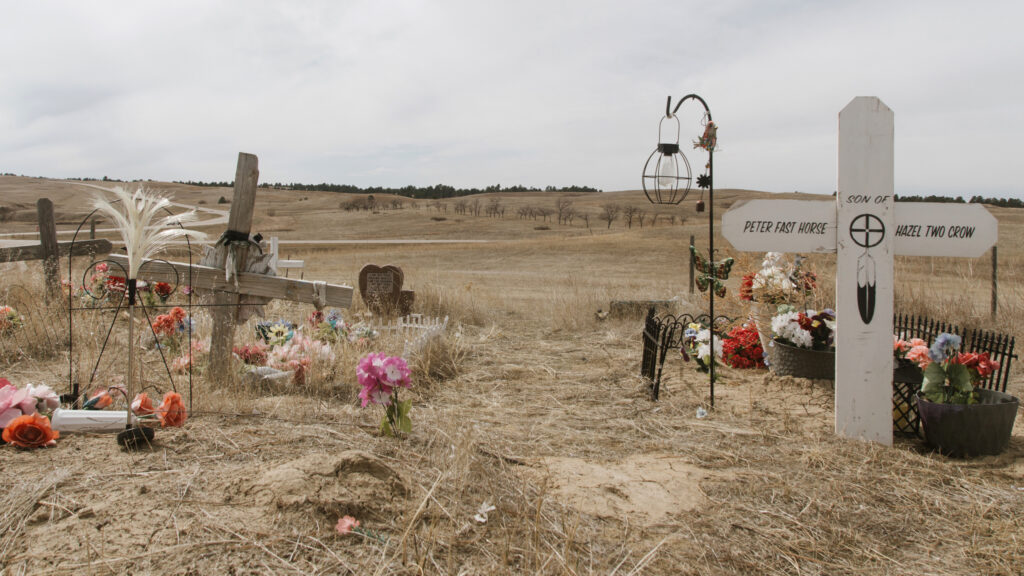
This investigation was reported in collaboration between Inside Climate News and Columbia Journalism Investigations. BLACK HILLS, S.D.—Trina Lone Hill wasn’t surprised that mining companies had found lithium in South Dakota’s Black Hills. Gold and uranium had drawn drillers to the Lakota Sioux tribe’s hallowed ground in these western highlands years ago. Now, with this new mineral powering the global green-energy transition, the tribe’s historic preservation officer had one thought: “Here we go again.” About 1,000 miles away in southwest Nevada, Joe Kennedy, of the Timbisha Shoshone tribe, watched a sacred stream fade after a lithium-mining company began drilling in search of the mineral—all while his tribe fought to prevent a second company from boring into the aquifer beneath its reservation. And in western Arizona, Brandon Siewiyumptewa, of the Hualapai Tribe, witnessed fissures crack open the earth and drain a spring sacred to his people after another mining company had drilled into land they warned would be too fragile to touch. Scenes like these have played out across the country as the U.S. ramps up production of lithium—a key metal for electric vehicle batteries. By 2030, at least six new mining projects are projected to extract lithium from American soil and
Lean: -0.509 · Source quality 79/100 · Factual vs opinion 72/100.
© 2026 Vistoa. All rights reserved.
Limited excerpts, attribution, analysis, and outbound publisher links remain core product boundaries.