
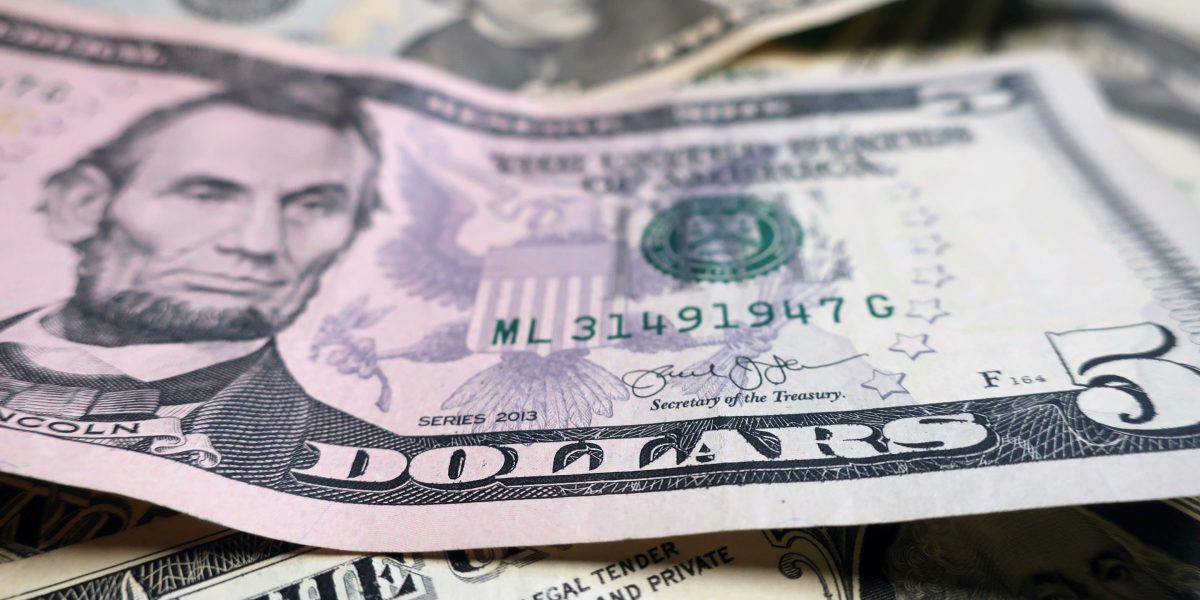
A hidden force is quietly pushing up costs for everything from your summer vacation to your weekly grocery bills: a weaker U.S. dollar. The dollar has fallen about 10% against other major currencies since President Donald Trump returned to the White House, a pullback potentially playing a role in Americans’ concerns about affordability. “It’s kind of a hidden tax,” says economist Thomas Savidge of the conservative-leaning American Institute for Economic Research. “What your dollar is going to be able to buy is going to shrink.” A look at where the dollar stands and what it means for you: Historic dollar decline The U.S. Dollar Index, which measures the greenback against other major currencies, logged its steepest six-month drop in more than 50 years in the first half of 2025. Though the decline hasn’t deepened, the dollar index is still about 10% lower than the start of Trump’s term. A strong dollar makes imports cheaper and can help keep inflation in check. A weak one can increase prices on foreign goods but boost American exports. U.S. presidents have long voiced support for a strong dollar even as they pursued policies that, at times, pushed the currency lower. Trump has suggested a
Lean: -0.039 · Source quality 78/100 · Factual vs opinion 78/100.
© 2026 Vistoa. All rights reserved.
Limited excerpts, attribution, analysis, and outbound publisher links remain core product boundaries.