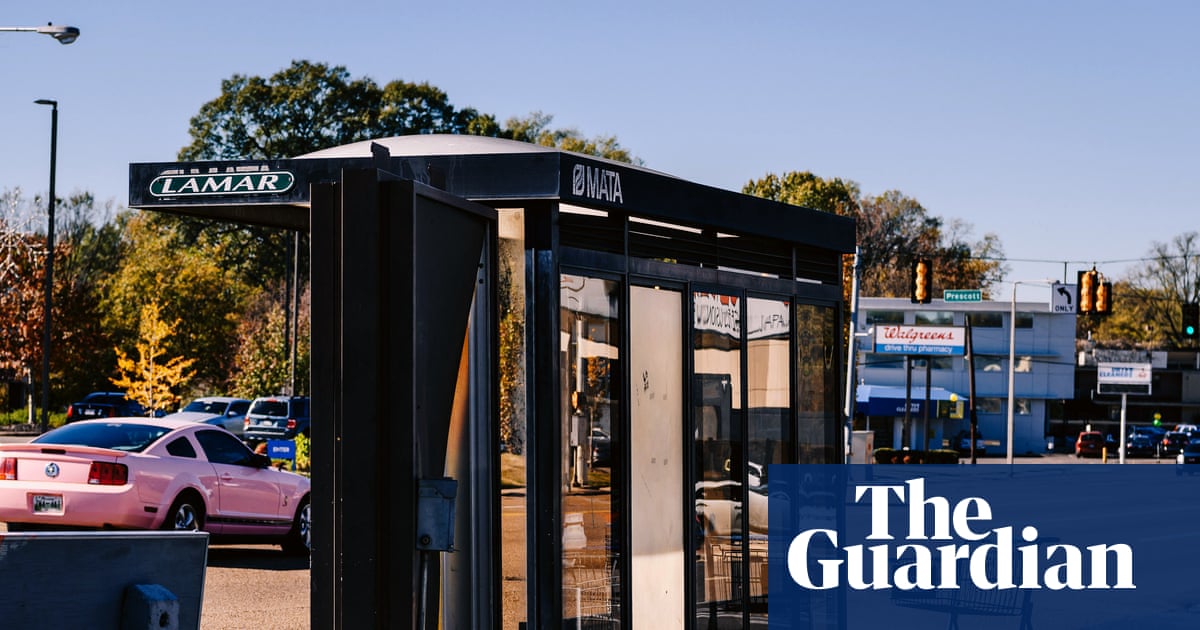
Zen’Yari Winters’ job, at a pet shop in East Memphis, Tennessee, should be a 20-minute trip from her house. She leaves herself three hours to get there. “The bus is always, always late,” she said – if it shows up at all.It’s not just her work commute that’s affected by the time-consuming guessing game that is riding with the Memphis Area Transit Authority (Mata). The only full-service grocer in the Chelsea-Hollywood area where she lives closed in 2025. To shop for food in person, she could take two buses for a 13-mile (20km) trip to Walmart. But she risks waiting at bus stops for hours with perishables – or shelling out about $24 for an Uber back.So instead, every two weeks, she buys at least $35 worth of groceries online to avoid a $6.99 fee for a smaller order and pays a $7 monthly delivery charge not covered by her Supplemental Nutrition Assistance Program (Snap) benefits. “That’s literally my only option,” she said.Winters is just one of 16 million Americans without cars and one of almost 25 million living in a “transit desert” where the public transportation supply is lower than demand. For them, accessing healthy, affordable food is both
Lean: -0.300 · Source quality 75/100 · Factual vs opinion 65/100.
© 2026 Vistoa. All rights reserved.
Limited excerpts, attribution, analysis, and outbound publisher links remain core product boundaries.