Skip to content
OVistoaIntelligence index
AboutMethodologyPricingDocs
Sign inSign up
BREAKINGPerson found dead in car after it plows into health club in Portland, Oregon39 min ago
Top StoriesUnited StatesCanadaWorldPoliticsGeneralBusinessTechHealthAviationSportsArtificial IntelligencePublishers

Inside Climate News

May 2, 2026

How Oil Fuels Conflict and War—and Who Profits
Inside Climate Newsby Derek Harrison·May 2, 2026

How Oil Fuels Conflict and War—and Who Profits

Political lean
OVistoa

Article-level news analysis, transparent scoring, and API tools for readers, publishers, and teams that need source context.

DMCA and copyright review

Copyright owners can submit notices, counter-notices, and source material concerns through the dedicated review flow.

Open DMCA review

Product

  • Home
  • Feed
  • Search
  • Topics
  • Saved

Platform

  • About
  • Methodology
  • Home
  • Search
  • Saved
  • Me
left 0.60
Source quality40/100
Factual ratio35/100
Framing70/100

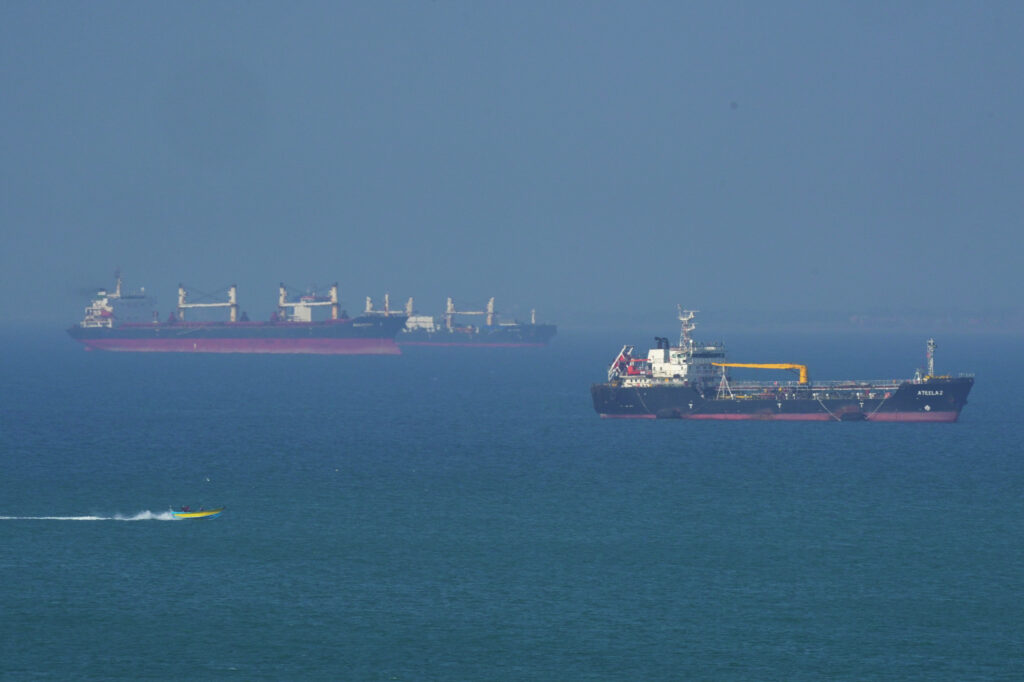
From our collaborating partner “Living on Earth,” public radio’s environmental news magazine, an interview by host Steve Curwood with Michael Klare, an emeritus professor of peace and security studies at Hampshire College. The U.S.-Israel joint war against Iran has shaken global energy markets, closed the Strait of Hormuz and restricted the flow of oil and natural gas worldwide. It’s the latest conflict over Iranian oil, but the growing emergence of fossil-free energy sources is prompting visions of ending our decades of dependence on oil, with its pollution and inevitable wars. Michael Klare is an emeritus professor of peace and security studies at Hampshire College and the defense correspondent for The Nation magazine. This interview has been edited for length and clarity. STEVE CURWOOD: For years, you’ve written about the problems of war and the environment and such. What’s new about this one? MICHAEL KLARE: Ten or 15 years ago, I would have said by now we would be weaned off oil, or we would have been on a slide downwards from oil. We were talking that by 2025 we would have reached peak oil, meaning peak world oil demand, and be in decline, and renewables would be the dominant fuel.

Read at Inside Climate NewsCompare full coverage

Lean: -0.600 · Source quality 40/100 · Factual vs opinion 35/100.

Score signature

Political lean

Political leanleft 0.60Source quality40/100Factual ratio35/100Framing70/100

Methodology

v1
100
Source diversity
across 1 outlet
Compare full coverage
  • Pricing
  • API docs
  • Publishers
  • Account

    • Sign in
    • Create account
    • Reader settings
    • API console

    Legal

    • Terms
    • Privacy
    • Security
    • DMCA

    © 2026 Vistoa. All rights reserved.

    Limited excerpts, attribution, analysis, and outbound publisher links remain core product boundaries.