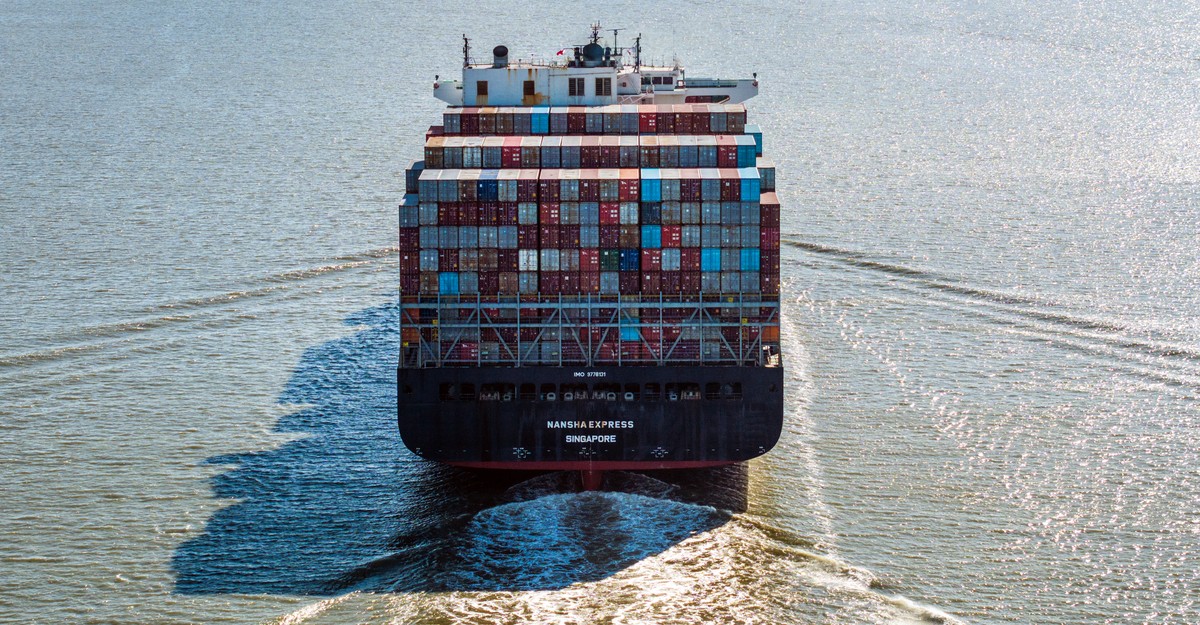
President Trump, celebrating Tehran’s declaration that the Strait of Hormuz would reopen to commercial shipping, posted on Truth Social on April 17, “IRAN HAS JUST ANNOUNCED THAT THE STRAIT OF IRAN IS FULLY OPEN AND READY FOR FULL PASSAGE.” The opening didn’t last. But, in his haste, Trump had inadvertently spelled out possibly the most consequential result of his eight-week war: The Strait of Hormuz now looks, in practice, like the “STRAIT OF IRAN.”Although none of the Trump administration’s goals—an end to Iran’s nuclear ambitions, destroying Iran’s missile capability, neutralizing proxy forces, regime change—has been fulfilled, the war has led to enduring changes. Two sweeping conclusions—one short-term, one longer—have become clear, experts in defense, diplomacy, business, and economics told us.In the short term, despite an indefinite cease-fire that kicked in last week following an initial two-week pause in hostilities, a durable end to the war isn’t coming anytime soon. The disparity in U.S. and Iranian demands for how negotiations should proceed, along with blockades by their respective forces in the strait, has locked the two sides in a stalemate. Many Americans still expect a quick end to the war’s economic strain. But that’s unlikely. At a Vanderbilt University panel discussion
Lean: n/a · Source quality n/a · Factual vs opinion n/a.
© 2026 Vistoa. All rights reserved.
Limited excerpts, attribution, analysis, and outbound publisher links remain core product boundaries.