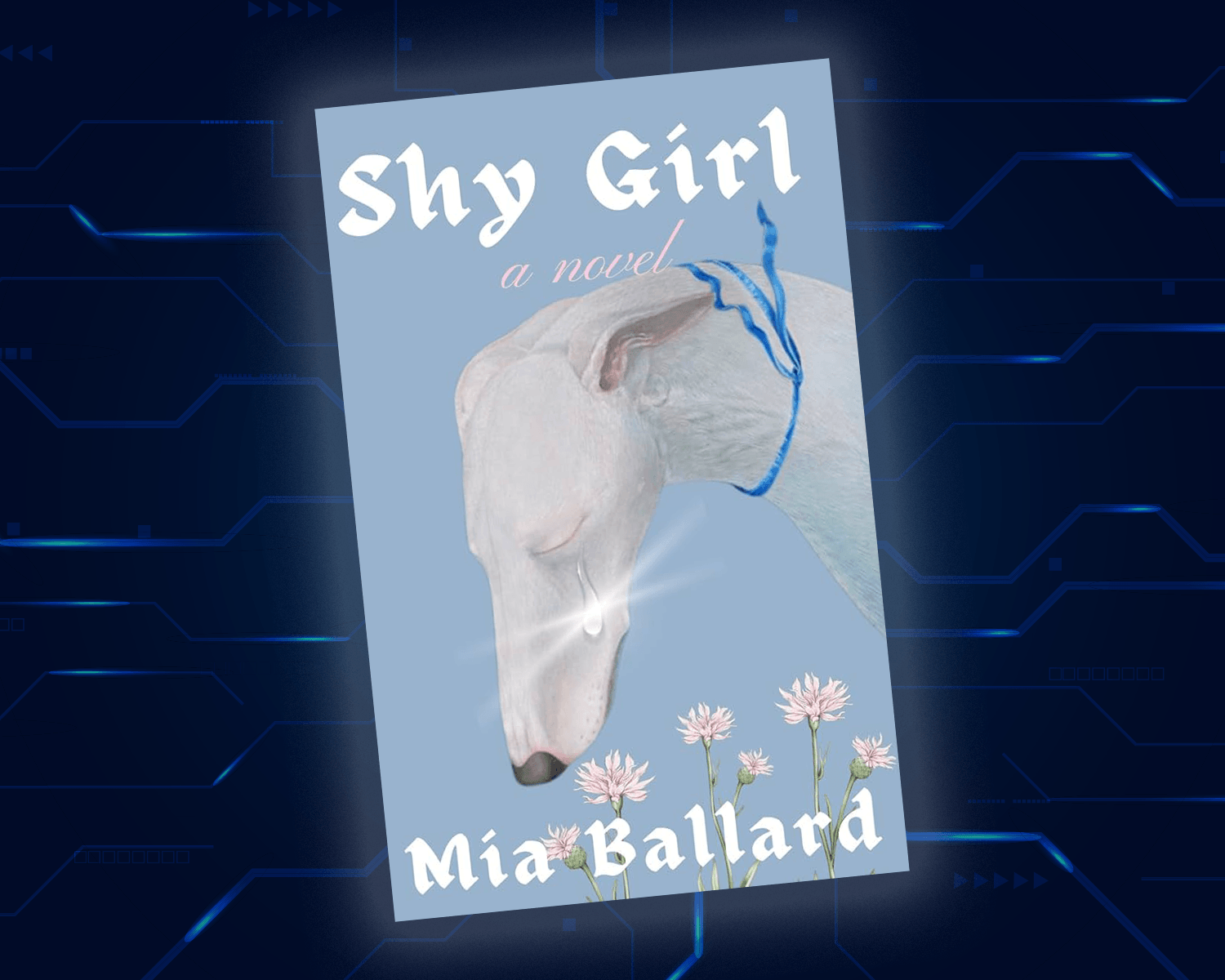
When I first read “Shy Girl” by Mia Ballard in January 2025, it became one of my new favorite horror novels. It’s rare to find a femme indie author who writes extreme horror stories that resonate so deeply, even if the prose is a little purple and the metaphors don’t always make sense. Sometimes it’s the thrill that gets you, the catharsis, the rage. In hindsight, the book came out suspiciously quickly. Ballard had released “Sugar,” another horror book, in 2024, and the initial self-published version of “Shy Girl” followed in early 2025. Wanting to see the best in one of my favorite authors, I didn’t think much of it beyond assuming she had a good work ethic. But, as The New York Times later revealed, the book was 78% AI generated. I didn’t know that yet. I was just a critic who wanted to champion my favorite books. What I didn’t expect was that “Shy Girl” would force me to grapple with the ethics of publishing, and my own work as a critic. At the time, I liked “Shy Girl” so much that I gave it a rave review on NetGalley, a website where booksellers and librarians can read
Lean: 0.000 · Source quality 40/100 · Factual vs opinion 25/100.
© 2026 Vistoa. All rights reserved.
Limited excerpts, attribution, analysis, and outbound publisher links remain core product boundaries.