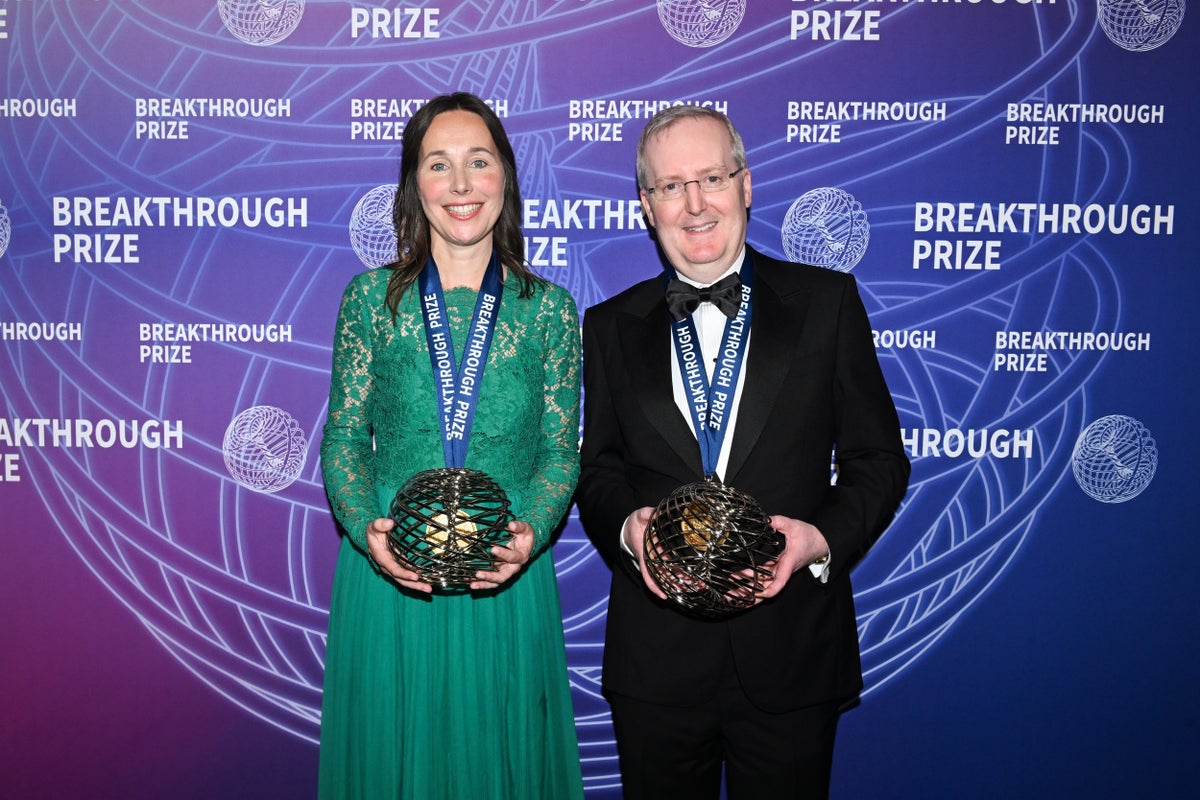
On the surface, frontotemporal dementia (FTD) and amyotrophic lateral sclerosis (ALS) are very different neurodegenerative diseases. In FTD, people can experience drastic changes in personality and behavior as neurons in the brain regions that control decision-making and language die off. ALS, on the other hand, frequently begins with muscle weakness and difficulty with swallowing and speech as people lose nerve cells that allow the brain to control the body.“They’re two very clinically disparate syndromes,” says neurogeneticist Bryan Traynor of the National Institutes of Health, who studies ALS. As a doctor, “you would not mistake them.”And yet these two disorders may have the same underlying causes, as Traynor and Rosa Rademakers, a neurogeneticist who studies FTD, and their respective colleagues discovered independently in 2011. Though most cases of ALS are “sporadic,” or apparently occurring without a family history, 5 to 10 percent come from genetic causes that are passed down through families. After four years of scouring the genomes of affected families for a responsible gene, Traynor and Rademakers identified a mutation of a gene called C9ORF72 that many people with a family history of both diseases share.On supporting science journalismIf you're enjoying this article, consider supporting our award-winning journalism by
Lean: n/a · Source quality n/a · Factual vs opinion n/a.
© 2026 Vistoa. All rights reserved.
Limited excerpts, attribution, analysis, and outbound publisher links remain core product boundaries.