Skip to content
OVistoaIntelligence index
AboutMethodologyPricingDocs
Sign inSign up
BREAKINGPerson found dead in car after it plows into health club in Portland, Oregon45 min ago
Top StoriesUnited StatesCanadaWorldPoliticsGeneralBusinessTechHealthAviationSportsArtificial IntelligencePublishers

Live Science

May 1, 2026

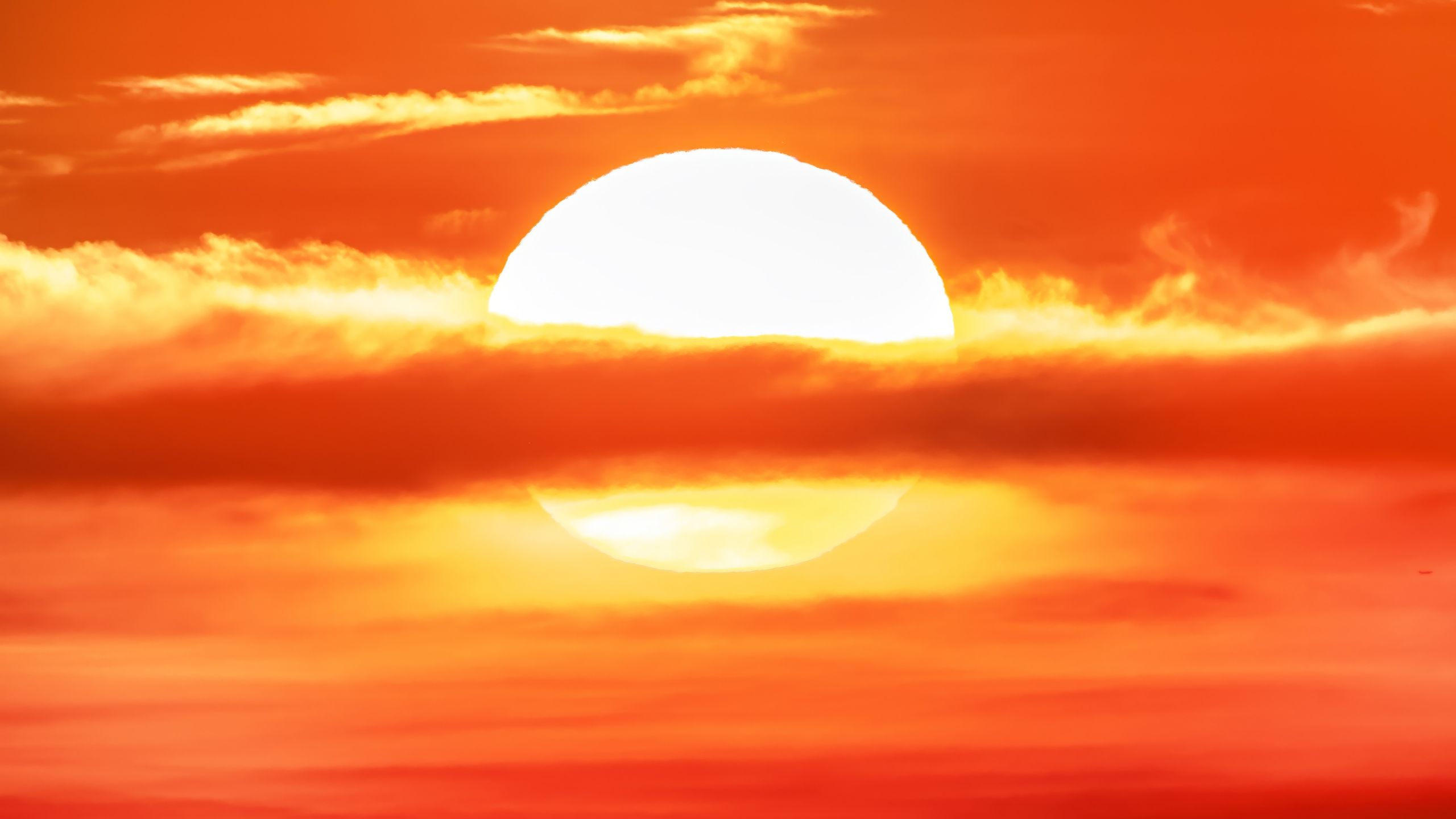
A cloud bisects the sun setting in an amber sky.
Live Scienceby Sophie Berdugo·May 1, 2026

'One of the most rapid transitions that I've seen': NOAA forecaster on how this year's El…

Political lean
OVistoa

Article-level news analysis, transparent scoring, and API tools for readers, publishers, and teams that need source context.

DMCA and copyright review

Copyright owners can submit notices, counter-notices, and source material concerns through the dedicated review flow.

Open DMCA review

Product

  • Home
  • Feed
  • Search
  • Topics
  • Saved

Platform

  • About
  • Methodology
  • Home
  • Search
  • Saved
  • Me
center
Source quality70/100
Factual ratio85/100
Framing15/100

Our warming world is set to enter an El Niño period as early as May, with a high likelihood of southern North America experiencing supercharged temperatures.One of the three phases of the natural El Niño-Southern Oscillation (ENSO) cycle in the Pacific Ocean, El Niño events occur every two to seven years, driving up sea surface temperatures across the Pacific Ocean and increasing global temperature. The last El Niño partially explains why 2024 was the hottest year on record.The knock-on effects of past El Niño events have been profound, with studies linking them to famine in Europe; civil wars in tropical regions; and droughts, floods and forest fires around the world.And there's a good chance this year's El Niño will be particularly intense, with current forecasts indicating a 25% chance that El Niño will be "very strong" by November ‪—‬ meaning sea surface temperatures will rise by 3.6 degrees Fahrenheit (2 degrees Celsius) above average.To get a better idea of what the upcoming El Niño will look like and what it could mean for Earth's climate and weather, Live Science spoke with Nathaniel Johnson, a research meteorologist and member of the ENSO seasonal forecast team at the National Oceanic and Atmospheric

Read at Live ScienceCompare full coverage

Lean: 0.000 · Source quality 70/100 · Factual vs opinion 85/100.

Score signature

Political lean

Political leancenterSource quality70/100Factual ratio85/100Framing15/100

Methodology

v1
100
Source diversity
across 1 outlet
Compare full coverage
  • Pricing
  • API docs
  • Publishers
  • Account

    • Sign in
    • Create account
    • Reader settings
    • API console

    Legal

    • Terms
    • Privacy
    • Security
    • DMCA

    © 2026 Vistoa. All rights reserved.

    Limited excerpts, attribution, analysis, and outbound publisher links remain core product boundaries.