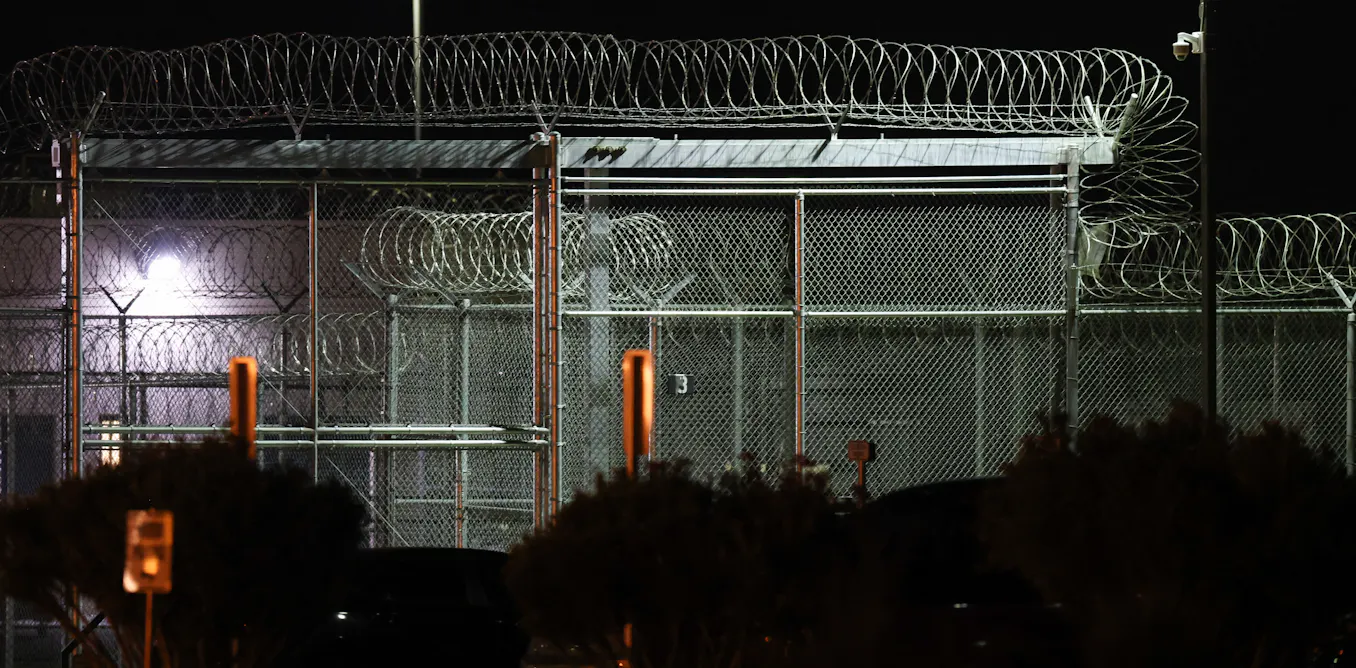
The phrase “concentration camp” is freighted with dark historical meaning. Most people hear it and instinctively think of concentration camps used by the Nazis to exterminate Jews and other minority populations during the Holocaust. But the use and name of concentration camps originated far earlier. In the late 1800s, Spanish military officials used concentration camps – reconcentrados – during their 1896–97 Cuban campaign to isolate civilians from rebels, resulting in widespread death and disease. We are scholars whose research into international relations and conflict includes studying historical and modern uses of these systems of camps as a form of repression. In recent peer-reviewed research, we identified four characteristics that define what qualifies as a concentration camp system: targeting groups of civilians for imprisonment; enclosed spaces where the state controls who enters and exits; departure from standard detention practices; and abuse and neglect. We then created a dataset detailing 150 systems of camps used globally since 1896 that fit this criteria. This includes the U.S. internment of more than 125,000 Japanese immigrants and Japanese American citizens during World War II, the Argentine military junta’s use of camps in their mid-1970s campaign to reorganize society, and Vladimir Putin’s use of so-called filtration
Lean: -0.600 · Source quality 60/100 · Factual vs opinion 50/100.
© 2026 Vistoa. All rights reserved.
Limited excerpts, attribution, analysis, and outbound publisher links remain core product boundaries.