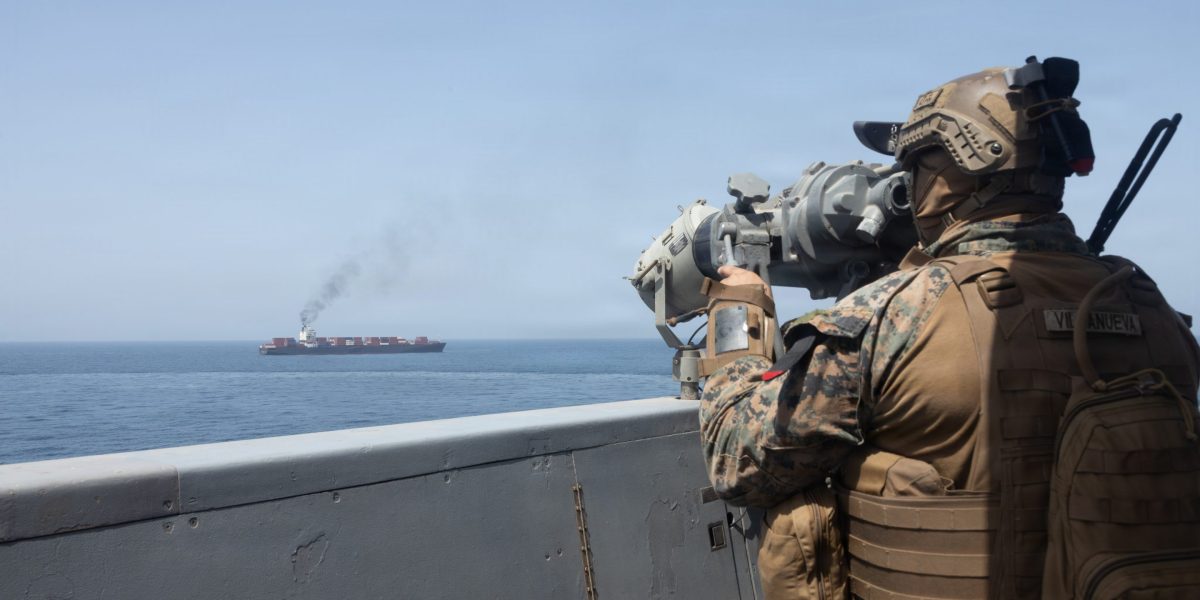
While the U.S. and Iran remain mired in a stalemate of ever-evolving ceasefires, the Strait of Hormuz energy chokepoint at stake is just one part of a global chessboard in a broader “cold war” against China, geopolitical experts and economists said. The Iran war and Hormuz blockade just happen to be the biggest gambit in the high-tempo game thus far. At play are all critical waterways and congestion bottlenecks through which the world’s energy products, agriculture, and supply chain parts flow. Despite China’s rapid growth, it still relies heavily on energy imports, and the U.S. continues to claim naval superiority for now. But while the Hormuz clash has dominated the headlines, behind the scenes the U.S. is quickly making moves to greater influence the world’s other shipping and strategic military arteries from the Panama Canal and Greenland to the Strait of Gibraltar between Europe and Africa, and to Asia’s Strait of Malacca—the busiest strait in the world. “The U.S. is applying pressure, and it’s clearly addressing the weak spots that are reflected in these various nodes—or straits—of global supply chain transit,” said Thierry Wizman, a top economic strategist for the Macquarie Group. “They’re the sea lanes that China depends on
Lean: -0.150 · Source quality 50/100 · Factual vs opinion 45/100.
© 2026 Vistoa. All rights reserved.
Limited excerpts, attribution, analysis, and outbound publisher links remain core product boundaries.