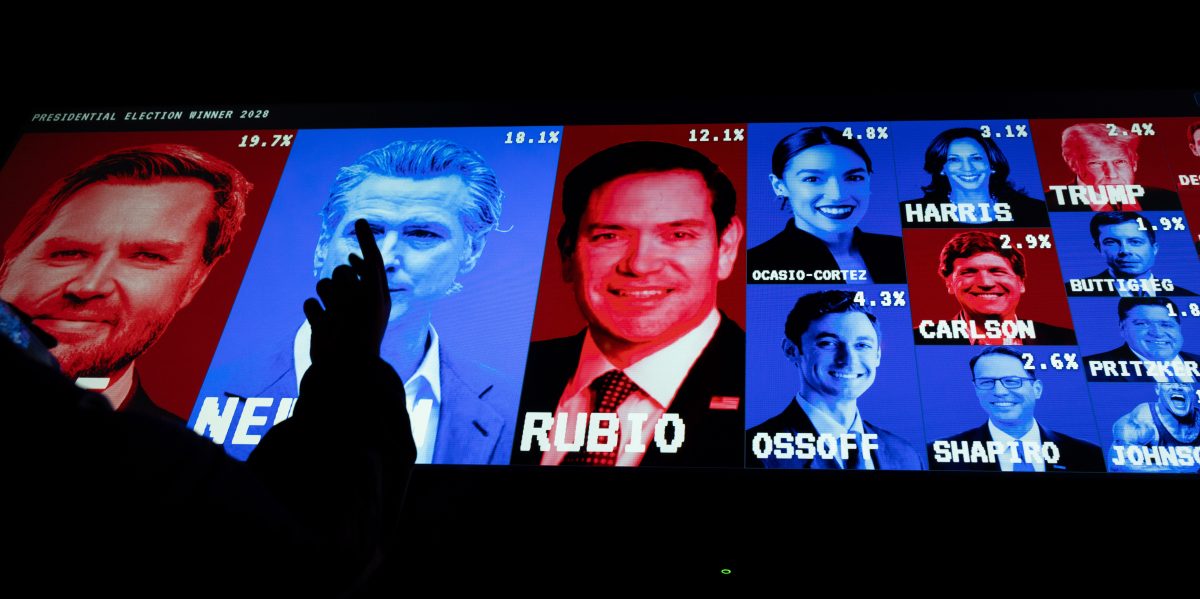
A Polymarket pop-up media exhibit shows data relating to potential political candidates popularity on March 20, 2026, in Washington, D.C. Photo: Alex Kent/The Washington Post via Getty Images Jonathan Reiss is a co-founder of the Media and Democracy Project. Every time you turn around recently, it feels like there’s new reporting about insiders cashing in on prediction markets. On Thursday, a U.S. Army Special Forces soldier who was involved in the raid to capture Nicolás Maduro in Venezuela was arrested on charges that he used classified information to make more than $400,000 by betting on the operation before it happened. In the hours before the U.S. attacked Iran, hundreds of anonymous bets over $1,000 were placed on the U.S. striking Iran by the next day, which the New York Times said suggested that some users might’ve “seen the strike coming.” Prediction markets, such as industry leaders Polymarket and Kalshi, have exploded in popularity. They create or exacerbate an array of problems, but at the Media and Democracy Project, or MAD, we believe they have the potential to severely harm the way news is reported, perceived, and engaged with — threats that deserve far more attention from the public. MAD calls
Lean: n/a · Source quality n/a · Factual vs opinion n/a.
© 2026 Vistoa. All rights reserved.
Limited excerpts, attribution, analysis, and outbound publisher links remain core product boundaries.