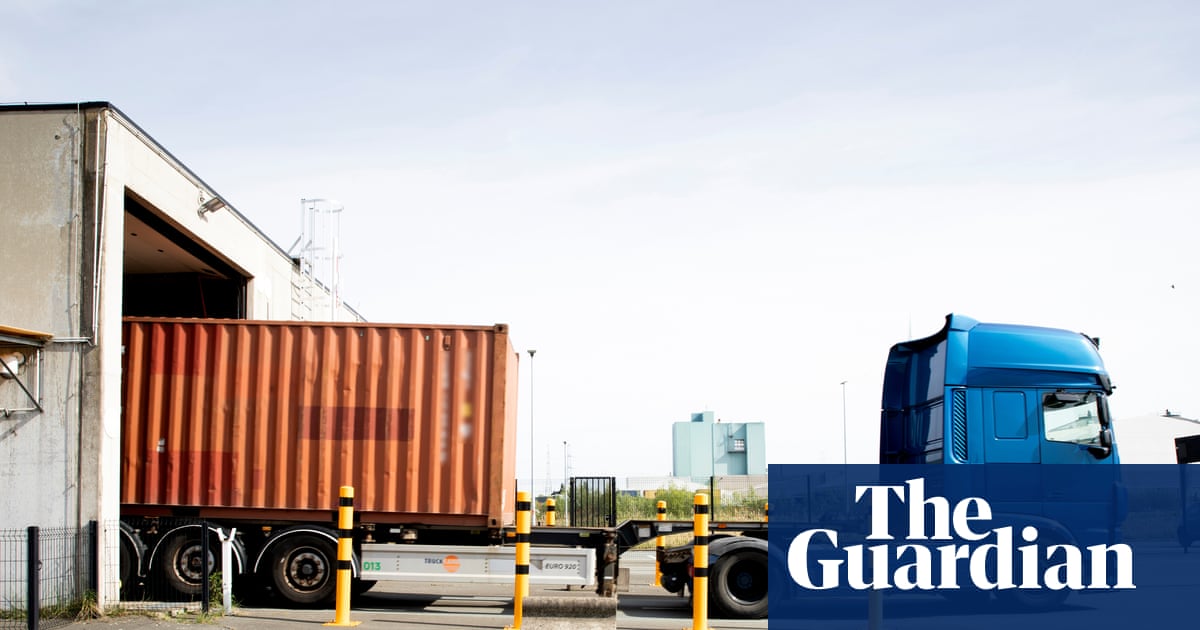
Sara Van Cotthem takes a safety knife and precisely slices open the side of a cardboard box to unpack its contents, an aluminium stepladder made in China. Working under harsh fluorescent lights at the border inspection post at the port of Antwerp, Van Cotthem checks the paperwork and taps the ladder with a magnet to check if it really is aluminium and not another metal.It is an everyday operation for customs officers at Antwerp, one of Europe’s main commercial gateways, which handled the equivalent of 13.6m 20ft-long (6 metres) containers last year. Everything is in order and the lorry, jam-packed with identical boxed ladders, can get on its way to Germany.But it’s not always so straightforward. Along with routine attempts to evade duties or import counterfeit goods, customs officers are grappling with relentless efforts by violent criminals to smuggle drugs, especially cocaine, into Europe.Sara Van Cotthem at work at the port of Antwerp. Photograph: Judith Jockel/The GuardianVan Cotthem explaining the scanning procedure. Photograph: Judith Jockel/The GuardianAntwerp is one of Europe’s main entry points for cocaine: authorities seized 483 tonnes of the drug between January 2019 and June 2024, the largest amount among 17 ports reporting to the European Union Drugs
Lean: 0.023 · Source quality 79/100 · Factual vs opinion 84/100.
© 2026 Vistoa. All rights reserved.
Limited excerpts, attribution, analysis, and outbound publisher links remain core product boundaries.