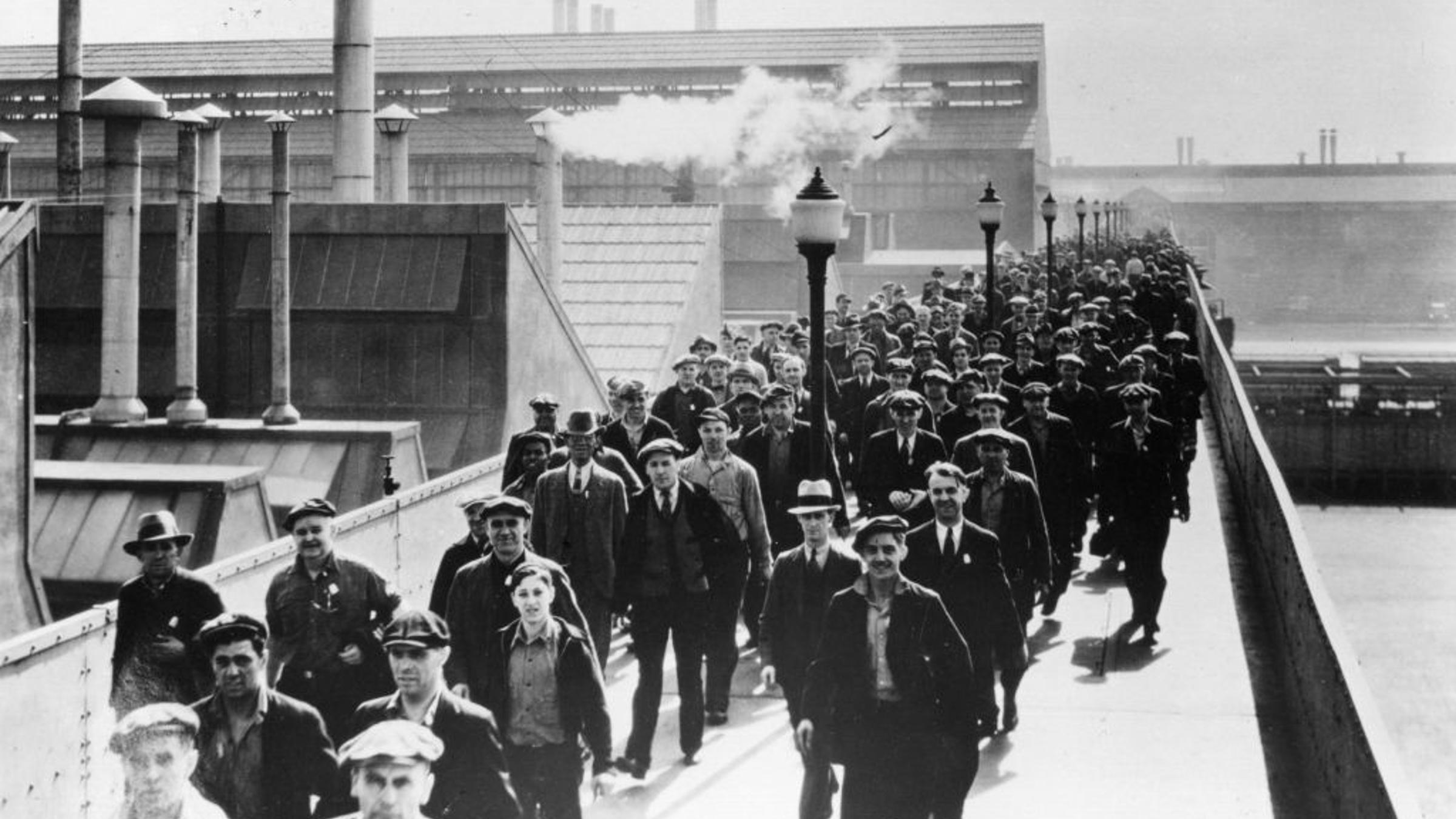
May 1, 2026, marks the 100th anniversary of Henry Ford’s adoption of the five-day workweek.This standard workweek is now so ingrained in our society that it almost feels timeless. But the five-day rotation doesn’t claim roots in any historic text or religious practice. It wasn’t developed by the ancient Romans, Greeks, or Egyptians. Nobody sat down to conduct an objective analysis for the optimal number of days for humanity to rest and work and determined that our current schedule was ideal, or fair, or necessary. Our conventional workweek was instead forged by the Industrial Revolution, a period of rapid economic and technological change. As we enter another period of disruption driven by AI, we are once again in a unique position to reimagine how we work in ways that better suit the needs of our modern economy.As with the last time there was a systemic shift in our working hours, new technologies have catalyzed a reimagining of our professional schedules. Though it’s still early days, AI is already changing not just how we work, but the kinds of skills that deliver value. We believe the next phase in this evolution is a four-day work week. By reducing the workweek to
Lean: n/a · Source quality n/a · Factual vs opinion n/a.
© 2026 Vistoa. All rights reserved.
Limited excerpts, attribution, analysis, and outbound publisher links remain core product boundaries.