CriticalLead signal100% confidence3 hr ago
Shooting at lake near Oklahoma City leaves at least 10 wounded, police say
Flashstack
Severity weighted live coverage
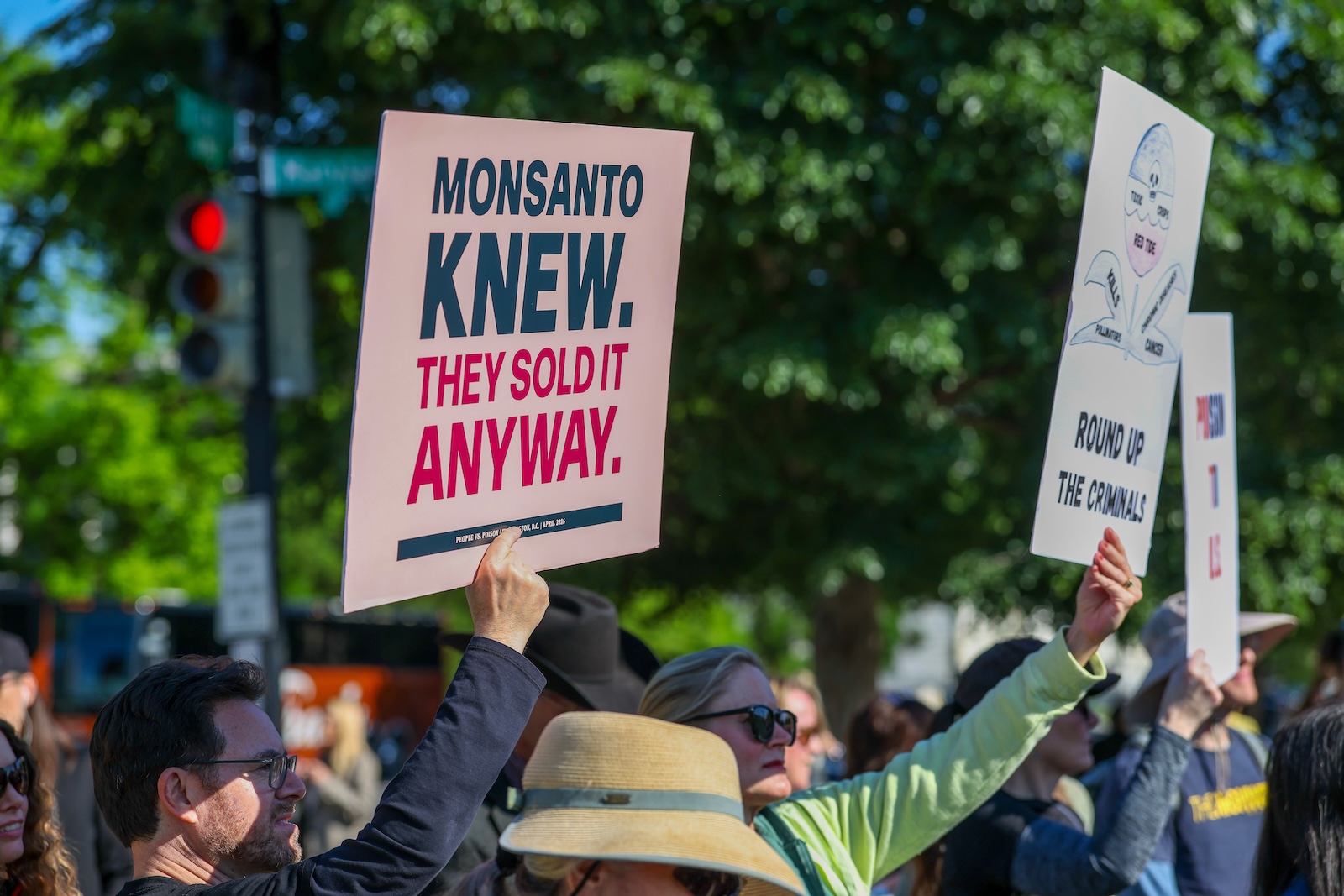
Since 2018, when it bought the chemical manufacturer Monsanto, the German conglomerate Bayer has set aside billions to settle legal claims that the active ingredient in the company’s weedkiller Roundup has caused cancer and other health issues among its users. More than 100,000 plaintiffs across the U.S. have filed lawsuits alleging a cancer link, and in February the company agreed to settle a class-action lawsuit for $7.25 billion. Last week, the Supreme Court heard oral arguments in one case that didn’t reach a settlement. John Durnell first sued Monsanto in 2019, arguing that he developed non-Hodgkin lymphoma because of persistent exposure to glyphosate in Roundup, which he had regularly sprayed throughout his neighborhood for twenty years. In 2023, the Missouri jury found Monsanto liable for failing to warn users of the cancer risk from glyphosate, and awarded Durnell $1.25 million in damages. The company has denied the claims and issued a series of appeals ever since. Under the Federal Insecticide, Fungicide, and Rodenticide Act — known as FIFRA — the Environmental Protection Agency is authorized to govern the sale and labeling of pesticides. The federal law bars pesticides that are “misbranded,” or lack warnings that may be necessary to protect
Lean: -0.765 · Source quality 71/100 · Factual vs opinion 75/100.
Methodology