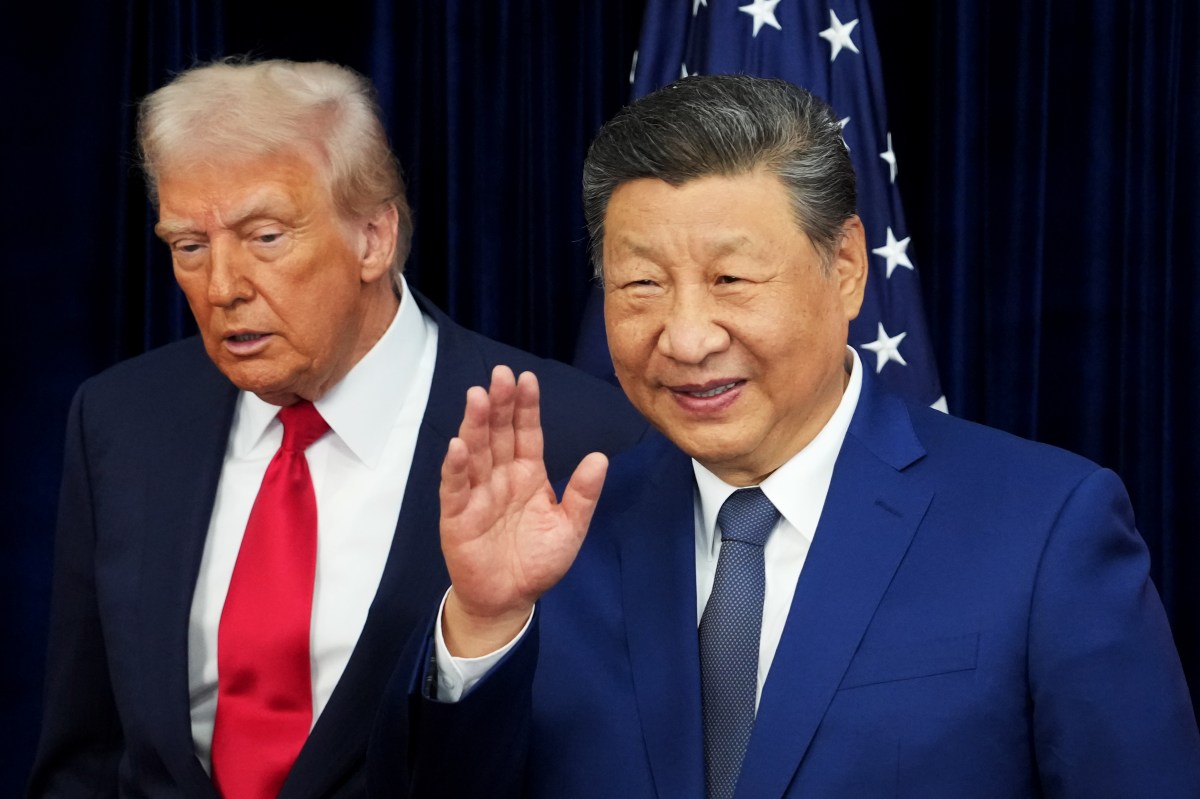
The upcoming meeting between President Donald Trump and Chinese President Xi Jinping will be a high-profile moment in the U.S.–China relationship. It’s also an opportunity to de-escalate both tariffs and tensions between the world’s two largest economies.It’s been a year since President Trump issued major tariff hikes on China and other U.S. trading partners as part of what he called a large-scale effort to bring manufacturing back to the United States. That patriotic goal makes sense in critical sectors, but it’s not realistic, possible or even desirable for all manufacturing. We should make more cutting-edge semiconductor chips in the United States, but it’s not clear that anyone benefits from U.S. factories making more pencils or purses at many times the cost.On the other hand, President Trump’s tariffs, dating back to his first administration and accelerating over the past year, pushed many companies to diversify beyond China. One example is Mexico, which has emerged as a strategic manufacturing hub. According to a recent Brookings report, Mexico more than doubled its exports of technology products like data servers, motherboards and data center components–many to the United States. Meanwhile, consumer technology imports from China fell from 45 percent in 2024 to 22 percent
Lean: 0.100 · Source quality 55/100 · Factual vs opinion 65/100.
© 2026 Vistoa. All rights reserved.
Limited excerpts, attribution, analysis, and outbound publisher links remain core product boundaries.