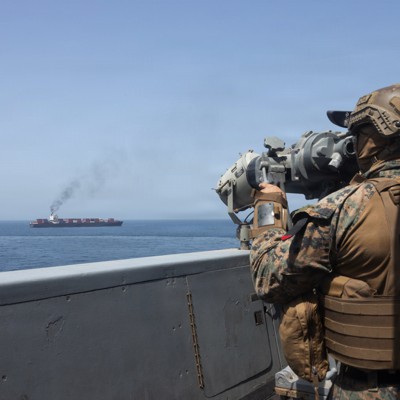
In this handout photo provided by U.S. Central Command, U.S. forces patrol the Arabian Sea near M/V Touska on April 20, 2026. U.S. Navy via Getty Images Fellow, Defense Priorities May 1, 2026 02:30 PM ET Commentary Iran White House Pentagon President Trump’s April 21 decision on to extend his original two-week ceasefire with Iran, less than 12 hours after he expressed reluctance to do precisely that, is giving the U.S. and Iran more time to salvage a diplomatic process defined by misleading statements, rhetorical chest-thumping, and conflicting agendas.While shooting has stopped for the time being, the standoff over the Strait of Hormuz remains. The good news is that neither the United States’ nor Iran’s best interests are served by a long-term conflict, which suggests both sides are at the very least keen to keep the diplomatic option open in order to determine whether a settlement to the nearly two-month long war is possible. The bad news is that Trump’s poor assumptions about how Iran would react to U.S. pressure tactics have led to poor decisions and a conflict in the Persian Gulf whose outcome remains in doubt. Far from squeezing Iranian leaders into concessions, the U.S. president has repeatedly
Lean: -0.200 · Source quality 45/100 · Factual vs opinion 65/100.
© 2026 Vistoa. All rights reserved.
Limited excerpts, attribution, analysis, and outbound publisher links remain core product boundaries.