CriticalLead signal100% confidence4 hr ago
Shooting at lake near Oklahoma City leaves at least 10 wounded, police say
Flashstack
Severity weighted live coverage
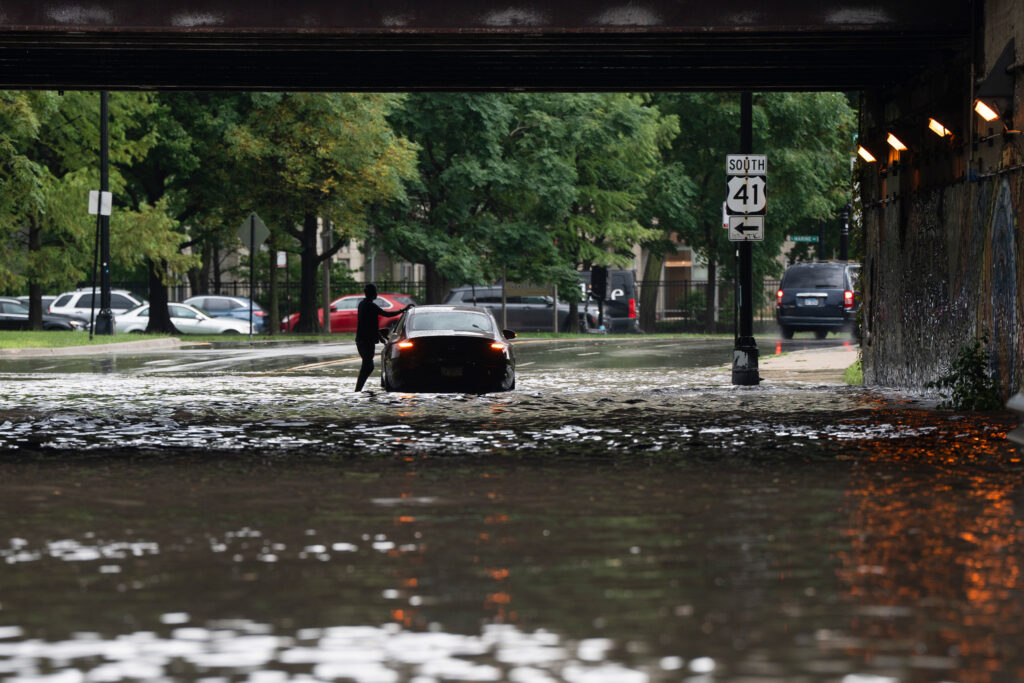
In a little-noticed memo early last year, Illinois scientists made a dire prediction. “Bulletin 76,” a communication from University of Illinois researchers, warned that intense rain made worse by climate change was going to get a lot more severe in the next 25 years. “What is considered safe and adequate today may not hold true in the future,” they wrote of the threat to homes, buildings and people. The threat has been building for years. Over the past century in Chicago, the likelihood of heavy rainstorms has increased sevenfold. These storms can drop more than 8.5 inches of rain in 24 hours. Designed decades ago, Chicago’s sewers can handle just 2 inches in that short period of time before flooding becomes likely. That means every neighborhood in Chicago is at risk of flooding, and that threat rises with every big storm. A half-century ago, construction on the so-called Deep Tunnel began to improve the old method of flood control in the city: dumping sewer water directly into the Chicago River, a practice that continues today, though less frequently. The multibillion-dollar system of underground tunnels and massive reservoirs designed to capture floodwater has worked to help protect the river, as well
Lean: -0.330 · Source quality 75/100 · Factual vs opinion 76/100.
Methodology
Inter-model agreement