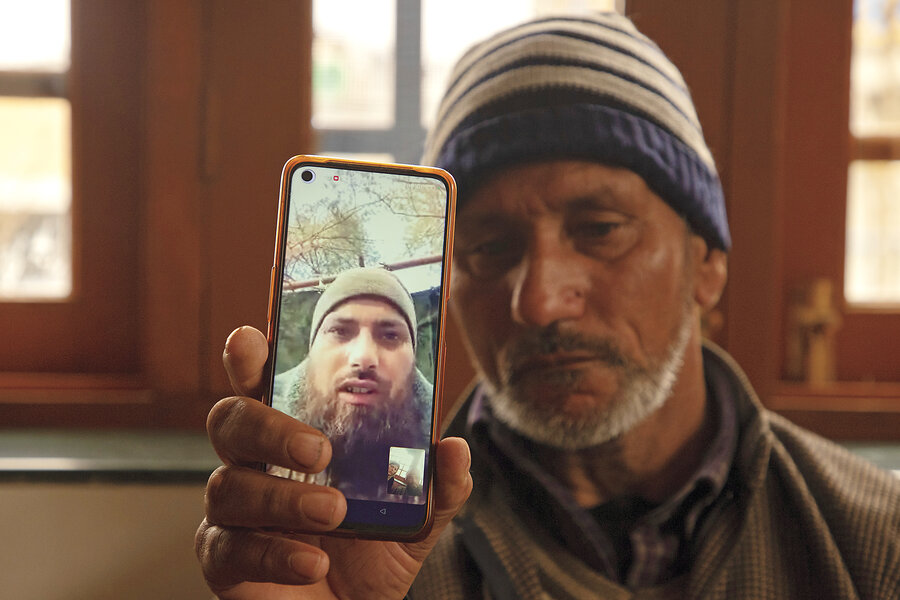
Last December, I was in Miami reporting on the Cuban diaspora when a source casually mentioned Cuban soldiers being sent to Russia to fight in the war against Ukraine. I made a mental note to follow up with my colleagues reporting regularly from Ukraine, but wondered: How would we tell this story? How – and why – are citizens from halfway around the world ending up on the front lines of a war that has nothing to do with them or their nation?It turns out, editors across our international desk were hearing similar anecdotes – from Nepal to Botswana to Colombia. Although our team is spread around the globe, our daily meetings where we discuss what we’re covering – and what we should be reporting next – keep us closely connected.This is a space to throw out half-baked ideas and question colleagues about news we may not understand from their patch of the globe. And it often serves as an incubator for international spreads like this week’s multicontinent feature on how foreign mercenaries have ended up on the front lines of the Russia-Ukraine conflict. Why We Wrote This Our foreign desk editors noticed independently that people from their regions were
Lean: n/a · Source quality n/a · Factual vs opinion n/a.
© 2026 Vistoa. All rights reserved.
Limited excerpts, attribution, analysis, and outbound publisher links remain core product boundaries.