
Skip to content
Vistoa
FeedTopics
Sign inSign up
Top StoriesUnited StatesCanadaWorldPoliticsGeneralBusinessTechHealthSportsEntertainmentAviationPublishers

Space.com

May 3, 2026

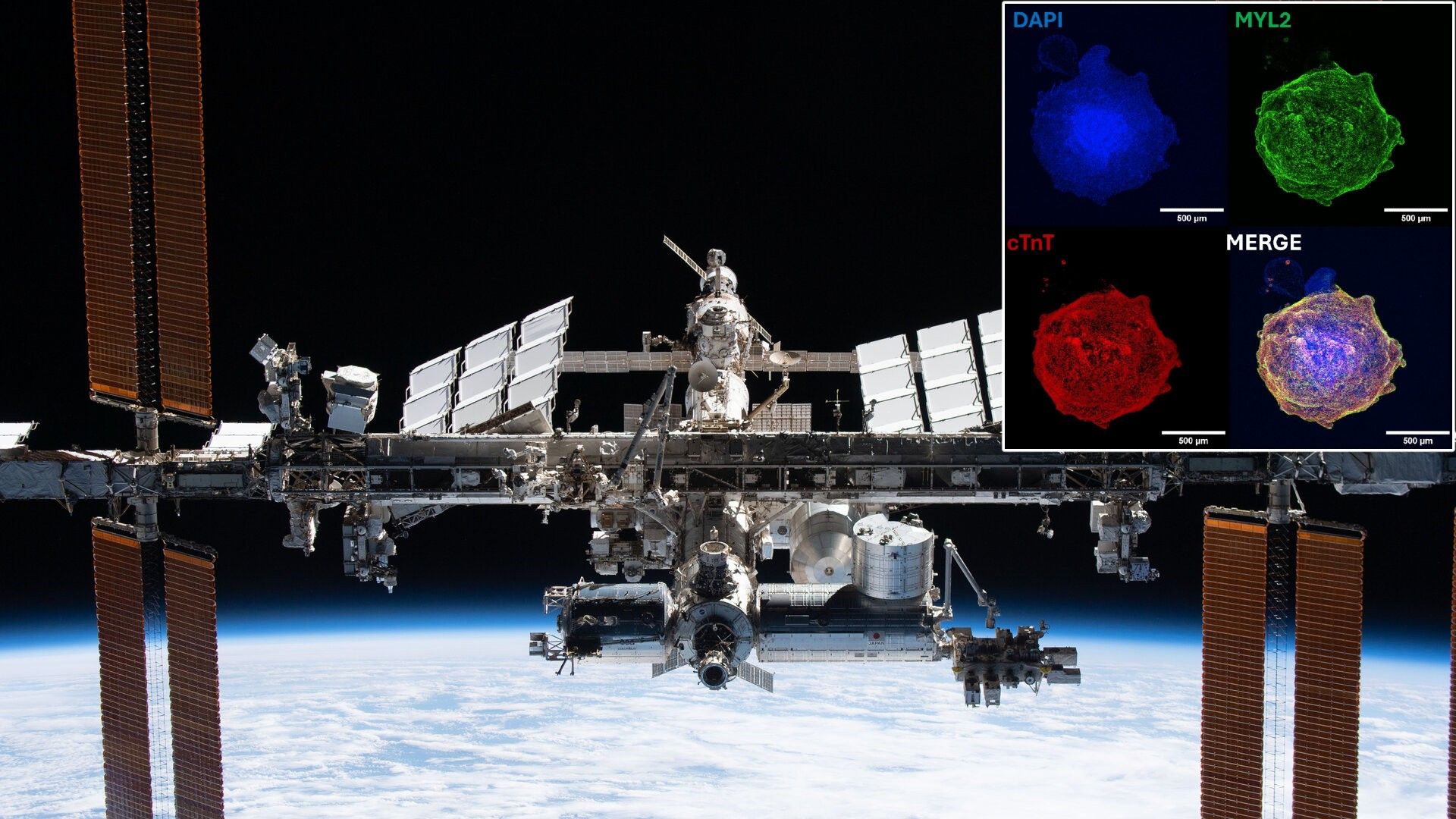
an image of an H-shaped space station in orbit above earth, with a superimposed image of four colorful blobs of cells overlaid
Space.comby Tereza Pultarova·May 3, 2026

Spaceflight is hard on the heart, yet artificial ones grow better in space than on Earth

Political lean
Vistoa

Article-level news analysis, transparent scoring, and API tools for readers, publishers, and teams that need source context.

DMCA and copyright review

Copyright owners can submit notices, counter-notices, and source material concerns through the dedicated review flow.

Open DMCA review

Product

  • Home
  • Feed
  • Search
  • Topics
  • Saved

Platform

  • About
  • Methodology
  • Home
  • Search
  • Saved
  • Me
center
Source quality72/100
Factual ratio80/100
Framing52/100

Mini-hearts seeded with human stem cells grow better in space than they do on Earth, a new study shows. (Image credit: Sean Escopete/NASA) The human heart shrivels away in space, but researchers have found that mini-hearts grown from human stem cells sprout in space significantly faster than in labs on Earth.Weird things happen to astronauts' hearts in microgravity. Without the sense of up and down, the flow of blood in the body changes. More of the fluid gathers in the head, and there is suddenly less of it not just in the legs but also in the heart itself. Not having to push the body against the resistance of gravity, the heart shrinks, weakens and even changes its shape, becoming more circular."On one side, you have things that have already been made before that are being exposed to low gravity and potentially deteriorating and getting weaker over the course of being exposed to microgravity," Sharma said. "On the other side, you are actually making those things from scratch in space. It's possible that the production process is facilitated by low gravity."Sharma, who has been sending heart cell experiments to the ISS since 2016, presented the results of his team's latest

Read at Space.comCompare full coverage

Lean: 0.000 · Source quality 72/100 · Factual vs opinion 80/100.

Score signature

Political lean

Political leancenterSource quality72/100Factual ratio80/100Framing52/100

Methodology

v2-canonical

Inter-model agreement

Models disagree
100
Source diversity
across 1 outlet
Compare full coverage
  • Pricing
  • API docs
  • Publishers
  • Account

    • Sign in
    • Create account
    • Reader settings
    • API console

    Legal

    • Terms
    • Privacy
    • Security
    • DMCA

    © 2026 Vistoa. All rights reserved.

    Limited excerpts, attribution, analysis, and outbound publisher links remain core product boundaries.