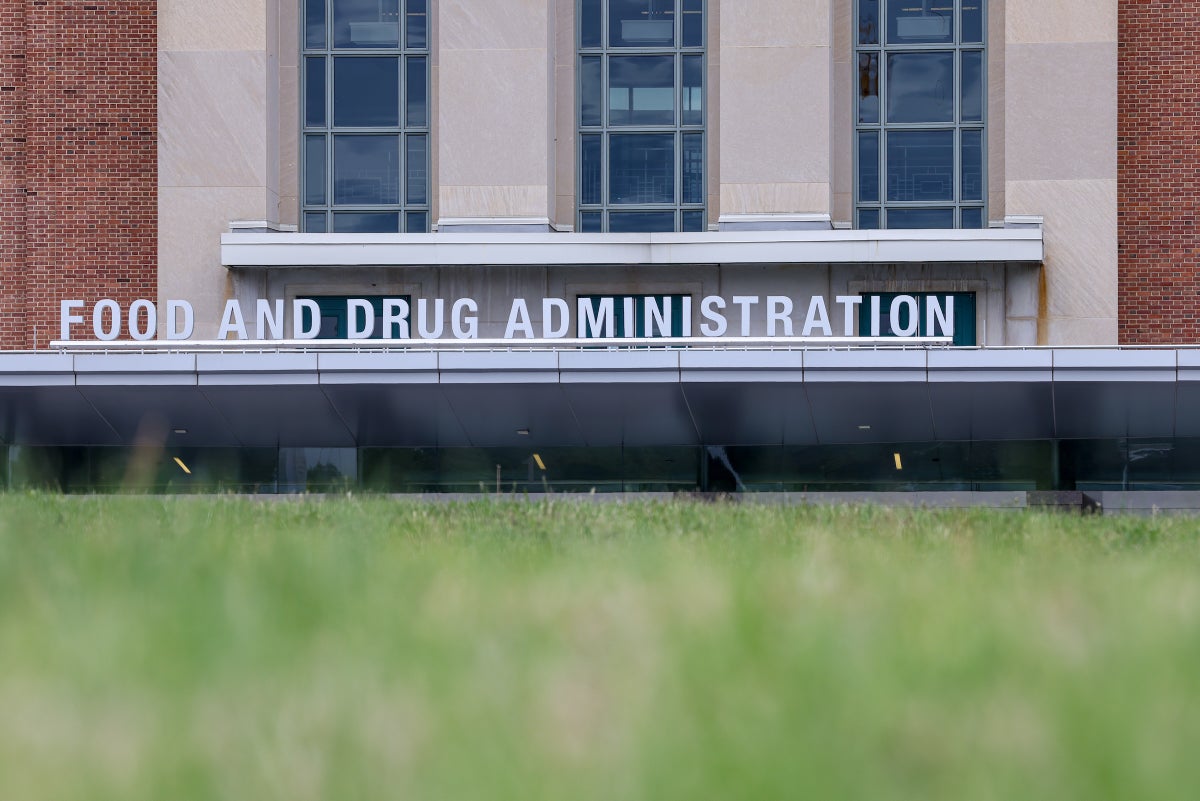
For patients whose skin cancer doesn’t respond to traditional treatments, a new drug called RP1 has been a lifeline—at least for those who can get into a clinical trial. The drug has shown so much promise in such trials that, at the end of 2024, its development was placed on a fast track, with all signs pointing to a speedy approval by the Food and Drug Administration. But as of last month, the FDA has twice opted not to approve RP1, puzzling researchers and worrying drug developers.Approximately 110,000 new cases of melanoma are diagnosed each year in the U.S., and 2.2 percent of people will be diagnosed with it at some point during their life. In its early stages, melanoma skin cancer is highly treatable, with a greater than 99 percent survival rate. Once the disease spreads to other areas of the body, however, treatment becomes much more difficult, and the five-year survival rate dips to roughly 16 percent. Adding even one new option—such as RP1—for people whose melanoma has not responded to first-line treatments could make a big difference for patients’ prognoses.“There’s really no second-line treatments” for some patients, says Yana Najjar, director of the Clinical and Translational Research
Lean: -0.150 · Source quality 70/100 · Factual vs opinion 70/100.
© 2026 Vistoa. All rights reserved.
Limited excerpts, attribution, analysis, and outbound publisher links remain core product boundaries.