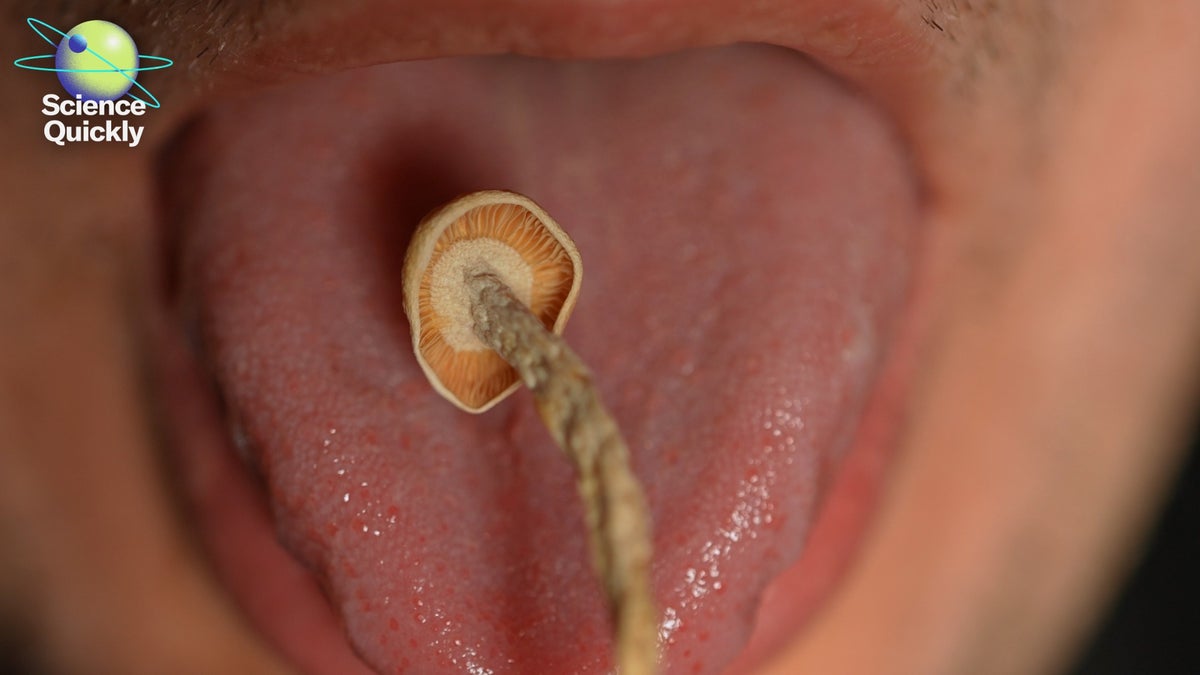
Rachel Feltman: For Scientific American’s Science Quickly, I’m Rachel Feltman.For years when most people thought about psychedelic drugs, they pictured long-haired tripping hippies either having a ball or risking and wasting their lives, depending on the tenor of the anti-drug messaging one happened to be subject to. That association was cemented in the late 1960s, when modern scientific study of psychedelics—which had been picking up speed since the ’50s—ground to a halt, thanks to government regulation and negative public opinion. But when science ceded psychedelics to the counterculture movement, it abandoned promising results on the power of these drugs to change human minds for the better.Then, at the turn of the 21st century, Johns Hopkins University received the first regulatory approval to resume the study of psychedelics in the U.S. The university’s research kicked off a full-blown psychedelics renaissance, putting a spotlight on MDMA, psilocybin and other drugs previously known for their recreational effects as potential treatments for post-traumatic stress disorder, depression, substance-use disorder and more.On supporting science journalismIf you're enjoying this article, consider supporting our award-winning journalism by subscribing. By purchasing a subscription you are helping to ensure the future of impactful stories about the discoveries and ideas shaping
Lean: -0.100 · Source quality 60/100 · Factual vs opinion 55/100.
© 2026 Vistoa. All rights reserved.
Limited excerpts, attribution, analysis, and outbound publisher links remain core product boundaries.